


Objective Sleep Characteristics and Cardiometabolic Health in Young Adolescents
- PMID: 29907703
- PMCID: PMC6260972
- DOI: 10.1542/peds.2017-4085
Objective Sleep Characteristics and Cardiometabolic Health in Young Adolescents
Abstract
: media-1vid110.1542/5778442247001PEDS-VA_2017-4085Video Abstract BACKGROUND AND OBJECTIVES: Shorter sleep duration is associated with childhood obesity. Few studies measure sleep quantity and quality objectively or examine cardiometabolic biomarkers other than obesity.
Methods: This cross-sectional study of 829 adolescents derived sleep duration, efficiency and moderate-to-vigorous physical activity from >5 days of wrist actigraphy recording for >10 hours/day. The main outcome was a metabolic risk score (mean of 5 sex-specific z-scores for waist circumference, systolic blood pressure, high-density lipoprotein cholesterol scaled inversely, and log-transformed triglycerides and homeostatic model assessment of insulin resistance), for which higher scores indicate greater metabolic risk. Secondary outcomes included score components and dual-energy radiograph absorptiometry fat mass. We measured socioeconomic status, race and/or ethnicity, pubertal status, and obesity-related behaviors (television-viewing and fast food and sugar-sweetened beverage consumption) using questionnaires.
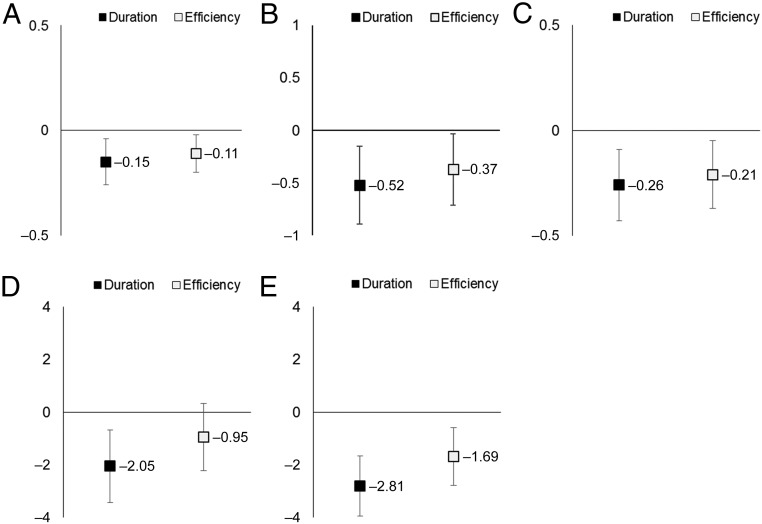
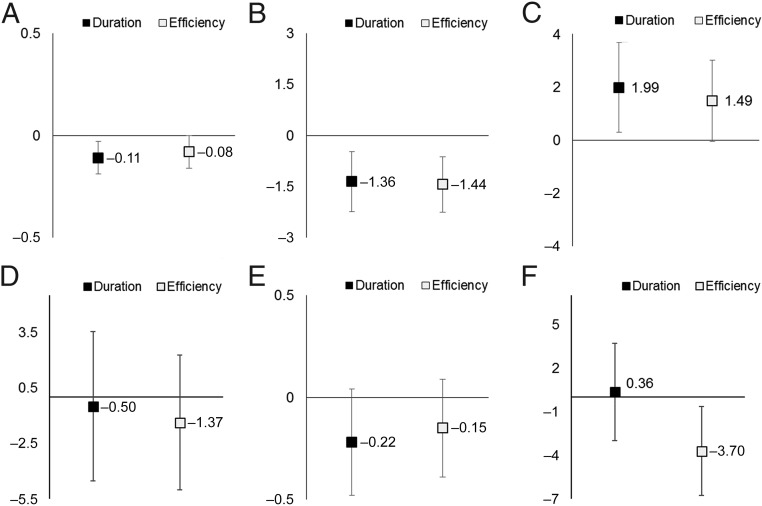
Results: The sample was 51.5% girls; mean (SD) age 13.2 (0.9) years, median (interquartile range) sleep duration was 441.1 (54.8) minutes per day and sleep efficiency was 84.0% (6.3). Longer sleep duration was associated with lower metabolic risk scores (-0.11 points; 95% CI: -0.19 to -0.02, per interquartile range). Associations with sleep efficiency were similar and persisted after adjustment for BMI z score and physical activity, television-viewing, and diet quality. Longer sleep duration and greater sleep efficiency were also favorably associated with waist circumference, systolic blood pressure, high-density lipoprotein cholesterol, and fat mass.
Conclusions: Longer sleep duration and higher sleep efficiency were associated with a more favorable cardiometabolic profile in early adolescence, independent of other obesity-related behaviors. These results support the need to assess the role of sleep quantity and quality interventions as strategies for improving cardiovascular risk profiles of adolescents.
Copyright © 2018 by the American Academy of Pediatrics.
Conflict of interest statement
POTENTIAL CONFLICT OF INTEREST: The authors have indicated they have no potential conflicts of interest to disclose.
Figures
References
-
- Aatola H, Koivistoinen T, Tuominen H, et al. Influence of child and adult elevated blood pressure on adult arterial stiffness: the cardiovascular risk in Young Finns study. Hypertension. 2017;70(3):531–536 - PubMed
-
- Ajala O, Mold F, Boughton C, Cooke D, Whyte M. Childhood predictors of cardiovascular disease in adulthood. A systematic review and meta-analysis. Obes Rev. 2017;18(9):1061–1070 - PubMed
-
- Nuotio J, Pitkänen N, Magnussen CG, et al. Prediction of adult dyslipidemia using genetic and childhood clinical risk factors: the cardiovascular risk in Young Finns study. Circ Cardiovasc Genet. 2017;10(3):e001604. - PubMed
-
- Fatima Y, Doi SA, Mamun AA. Longitudinal impact of sleep on overweight and obesity in children and adolescents: a systematic review and bias-adjusted meta-analysis. Obes Rev. 2015;16(2):137–149 - PubMed
Publication types
MeSH terms
Substances
Grants and funding
LinkOut - more resources
Full Text Sources
Other Literature Sources
Medical
