


Sensory cortex is optimized for prediction of future input
- PMID: 29911971
- PMCID: PMC6108826
- DOI: 10.7554/eLife.31557
Sensory cortex is optimized for prediction of future input
Abstract
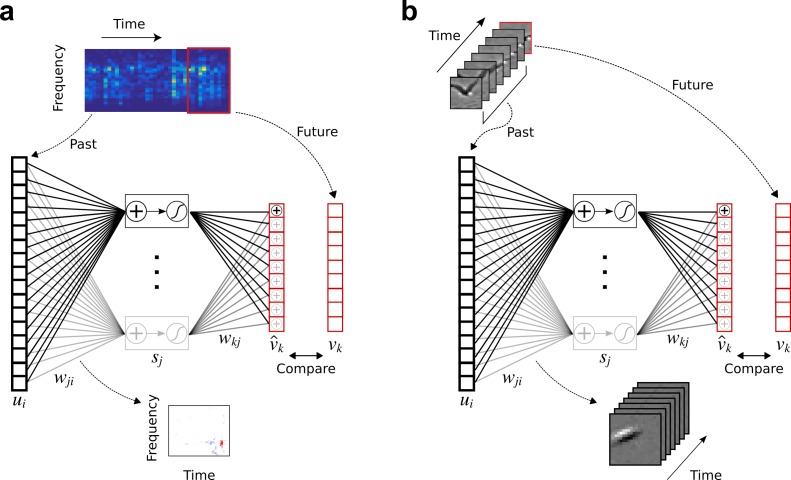
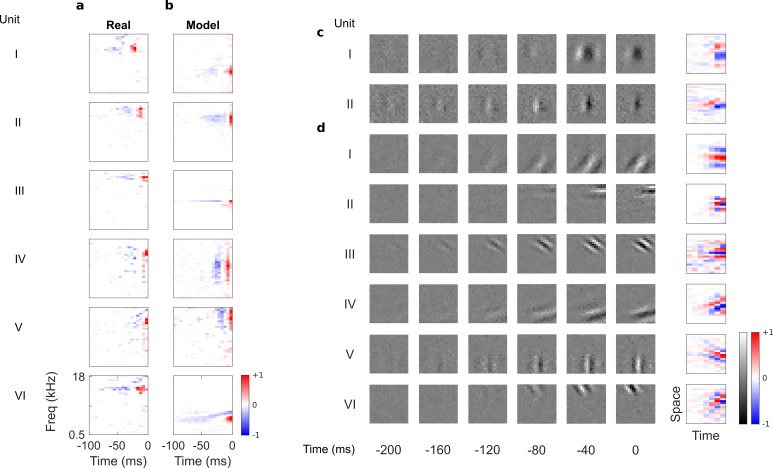
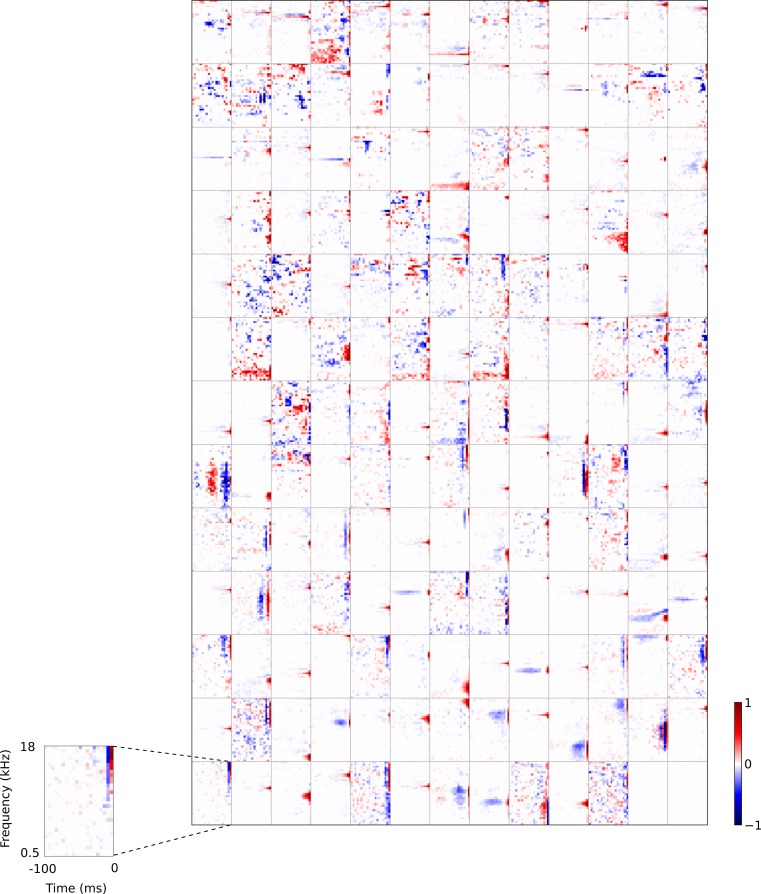
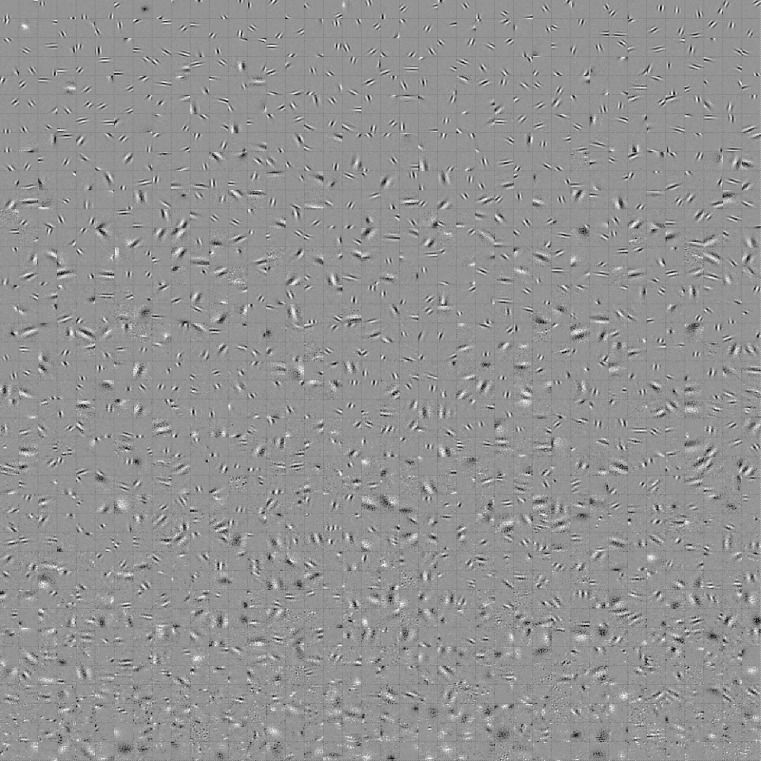
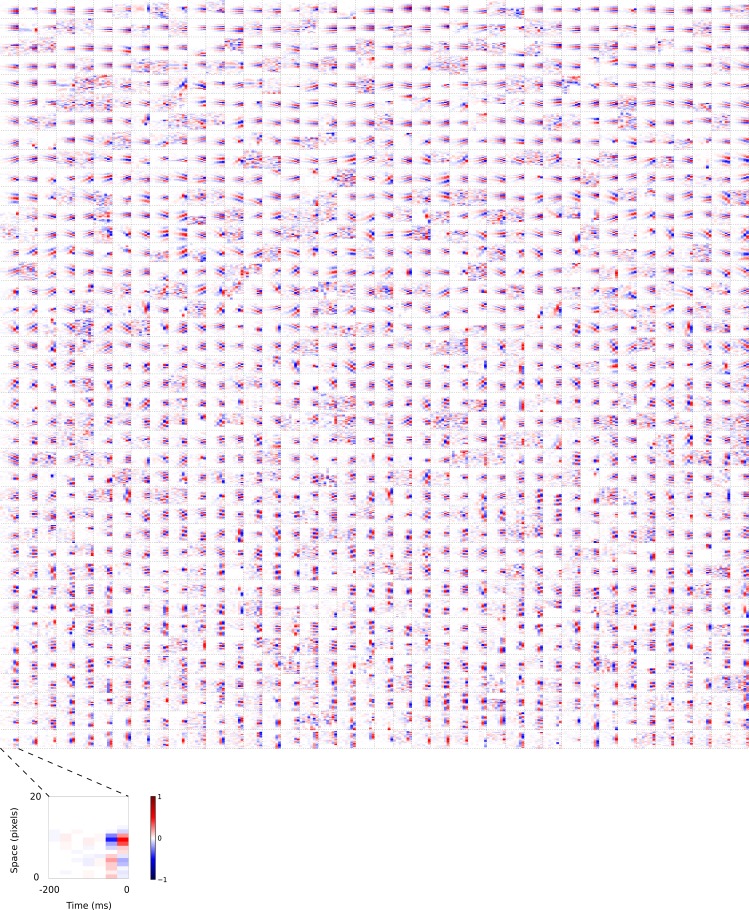
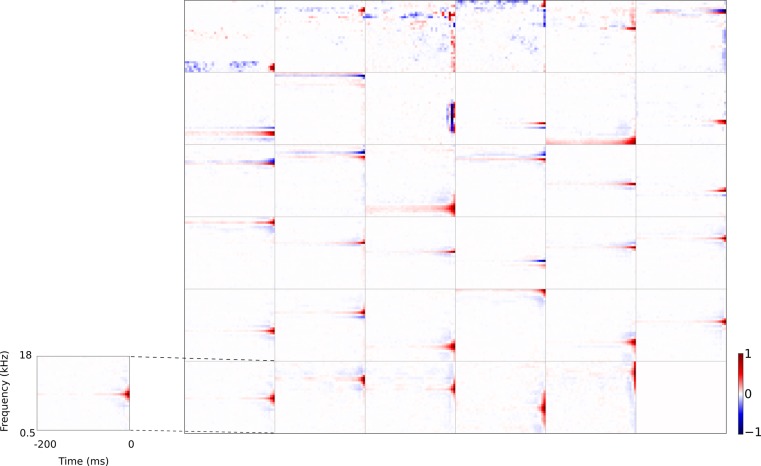
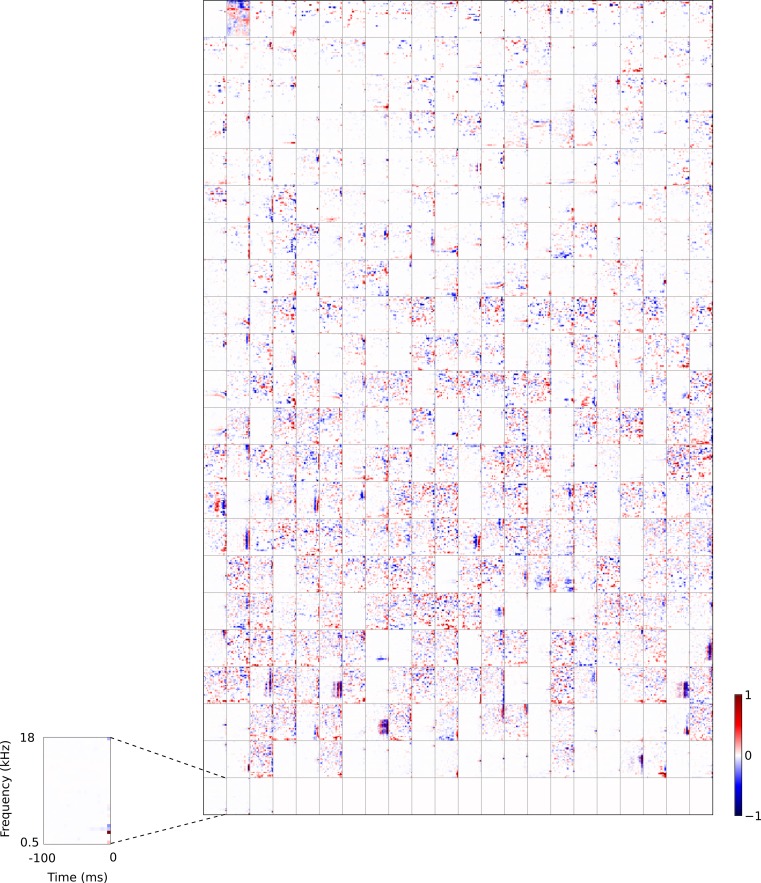
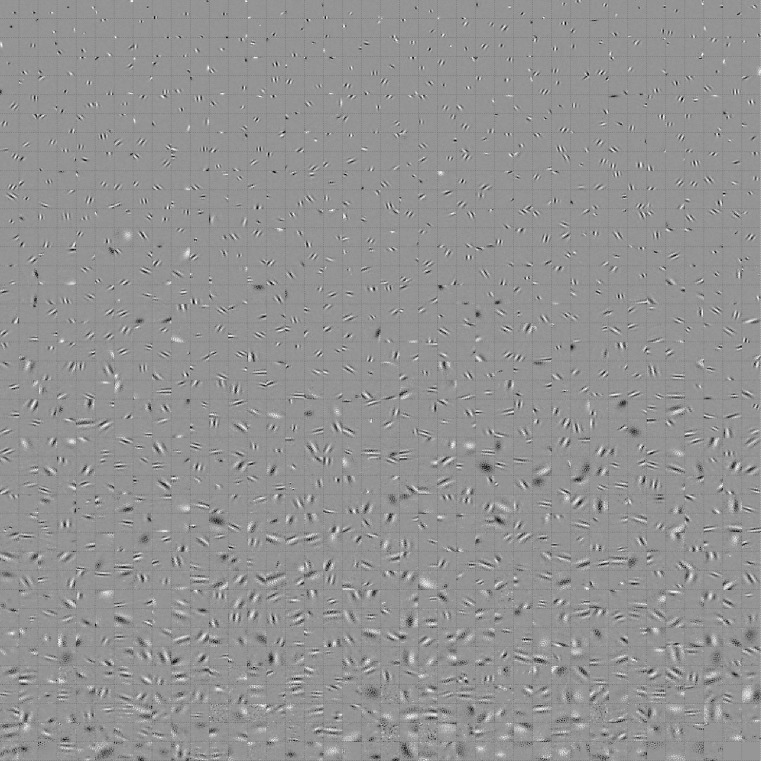
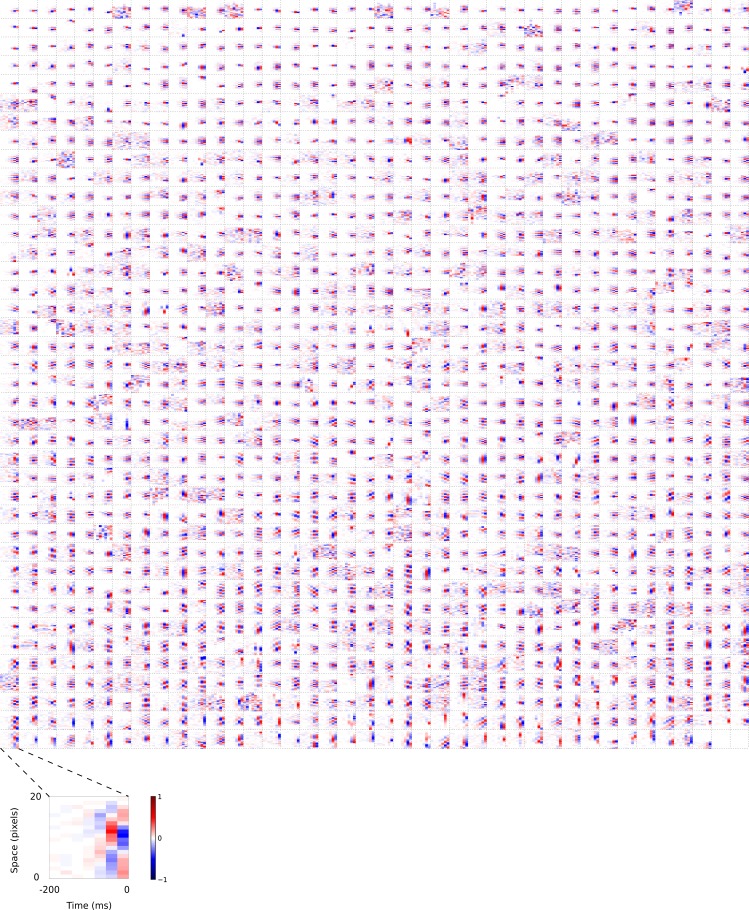
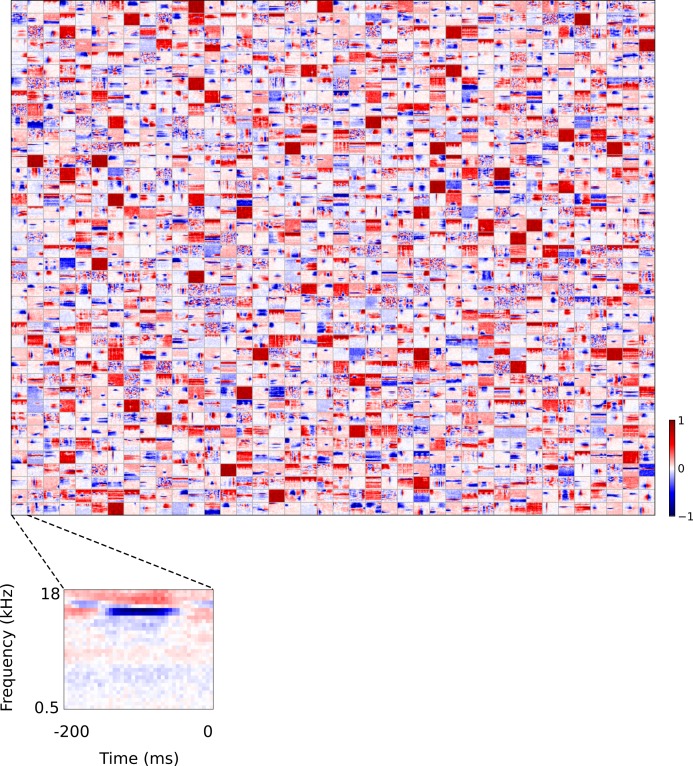
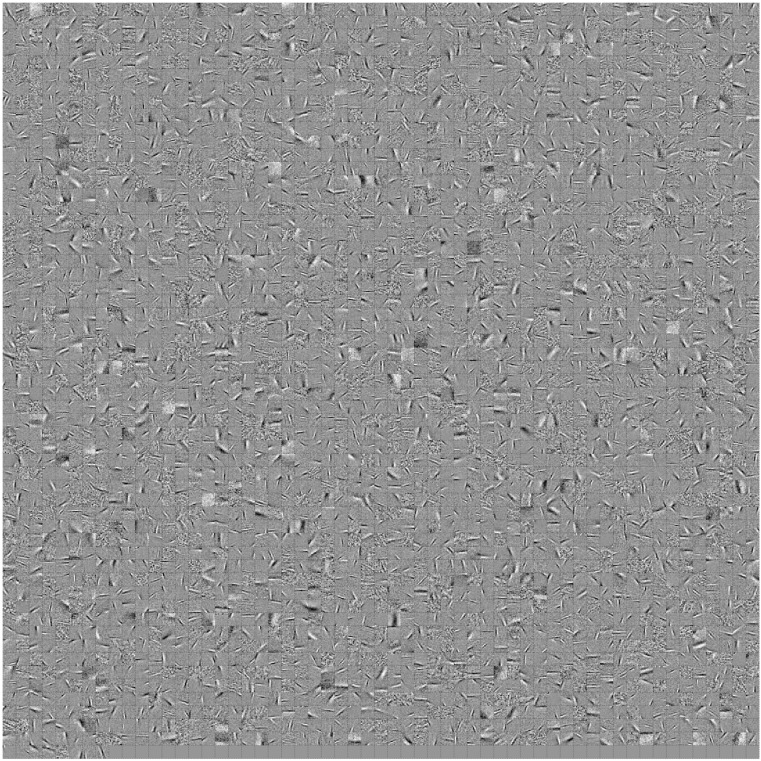
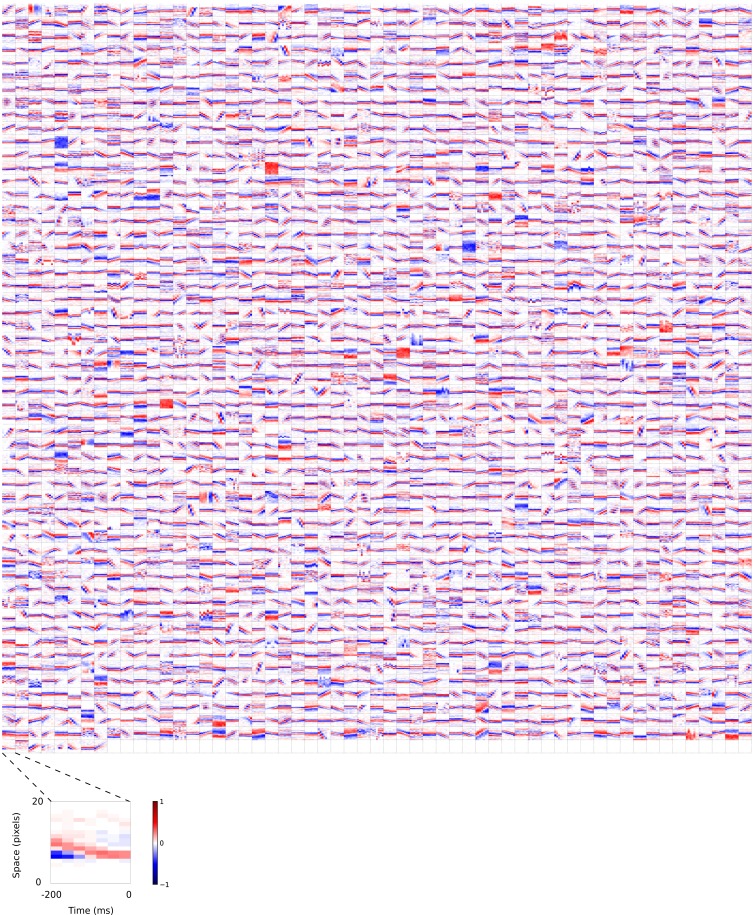
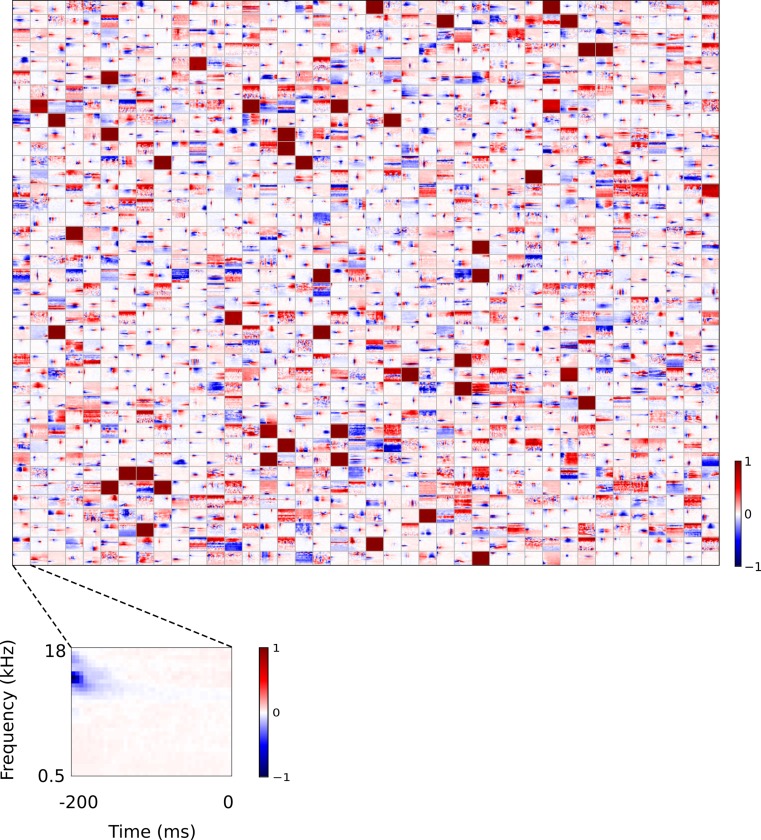
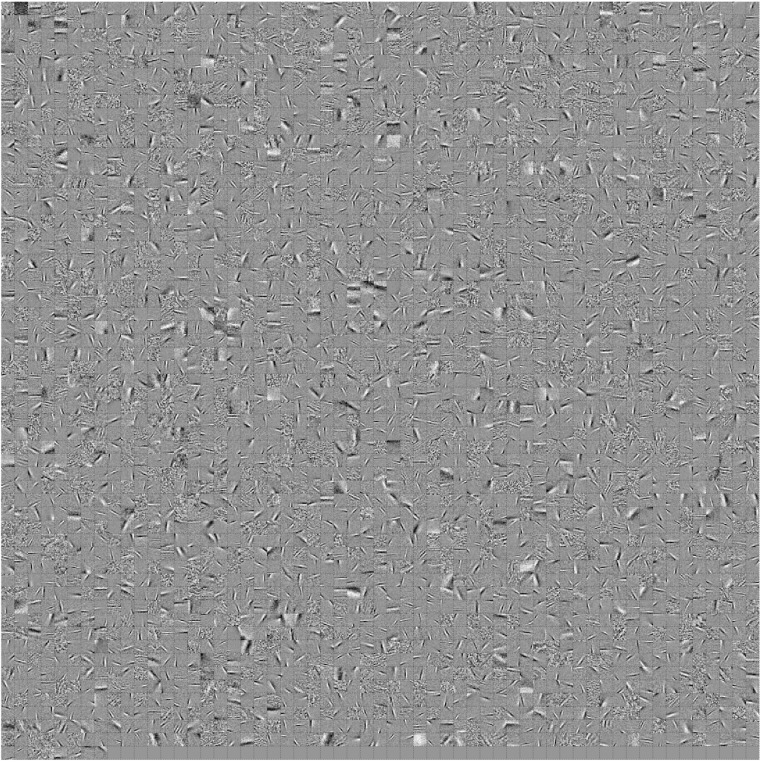
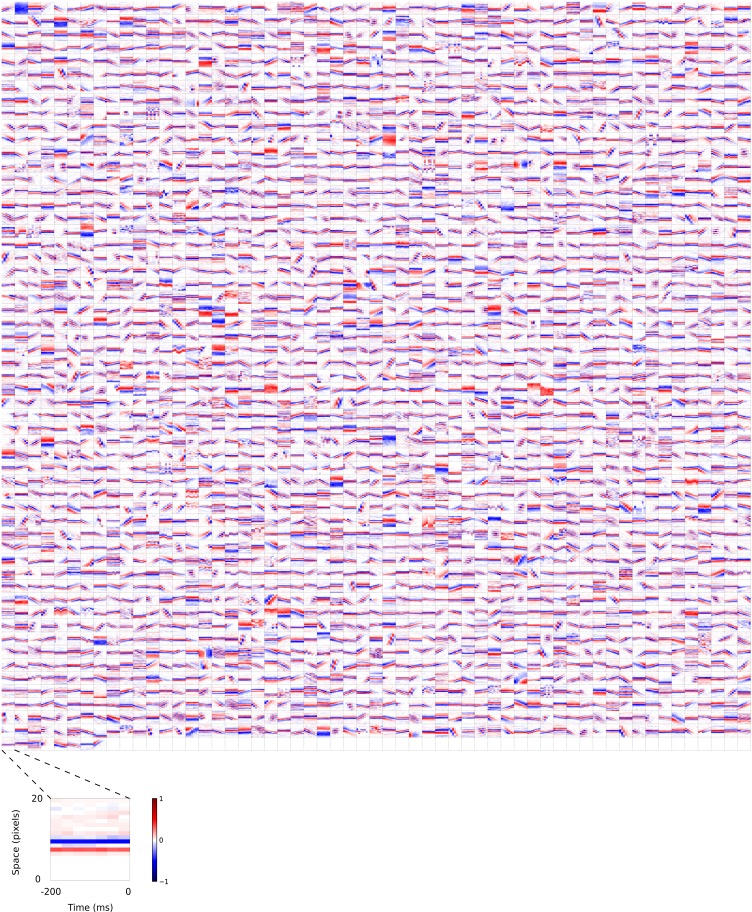
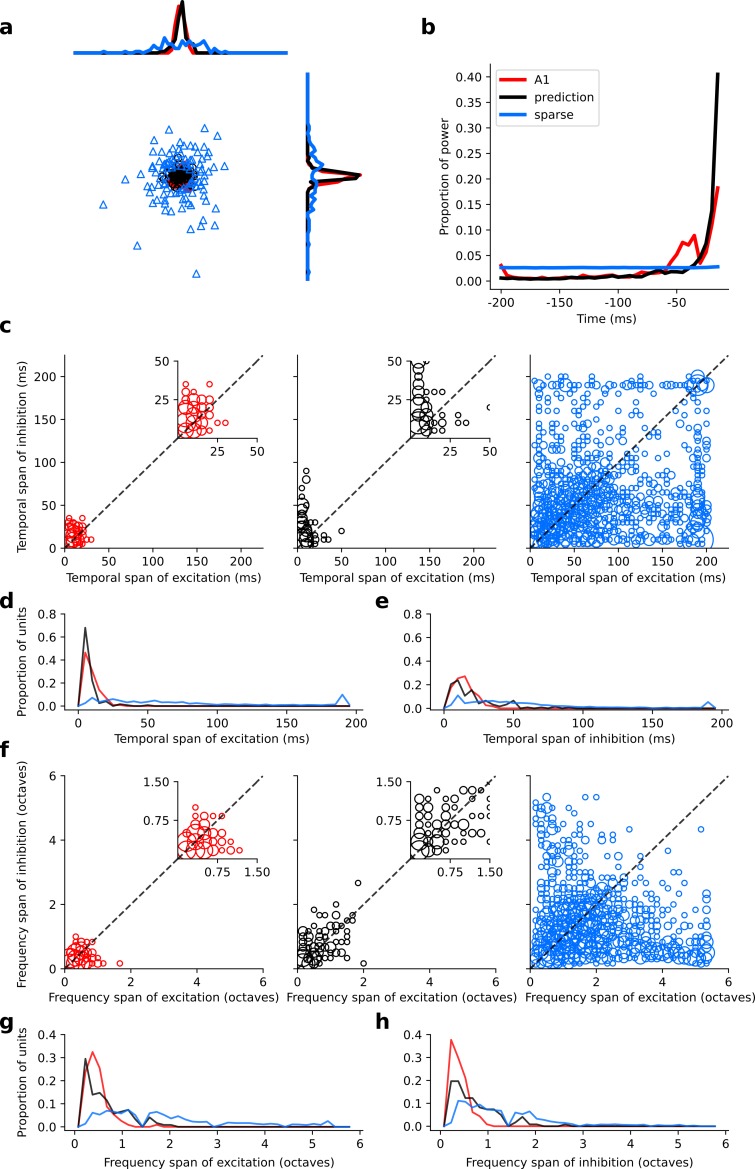
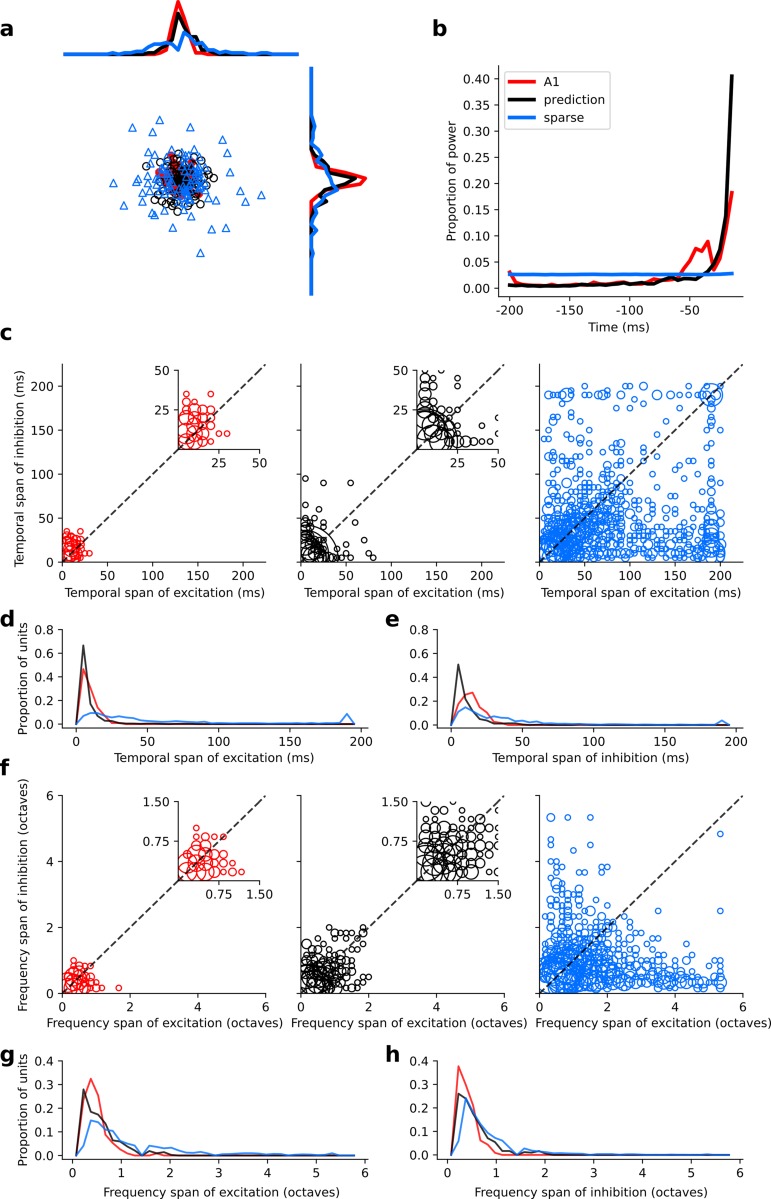
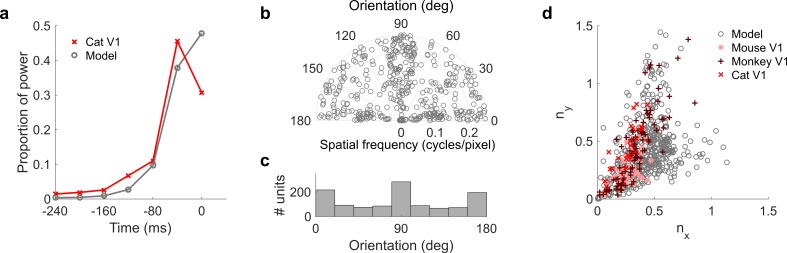
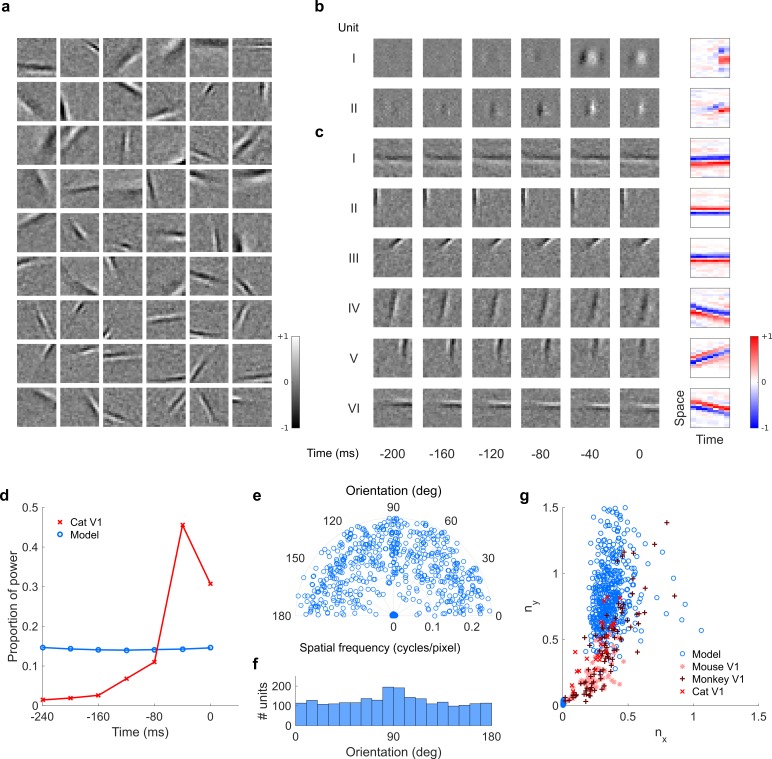
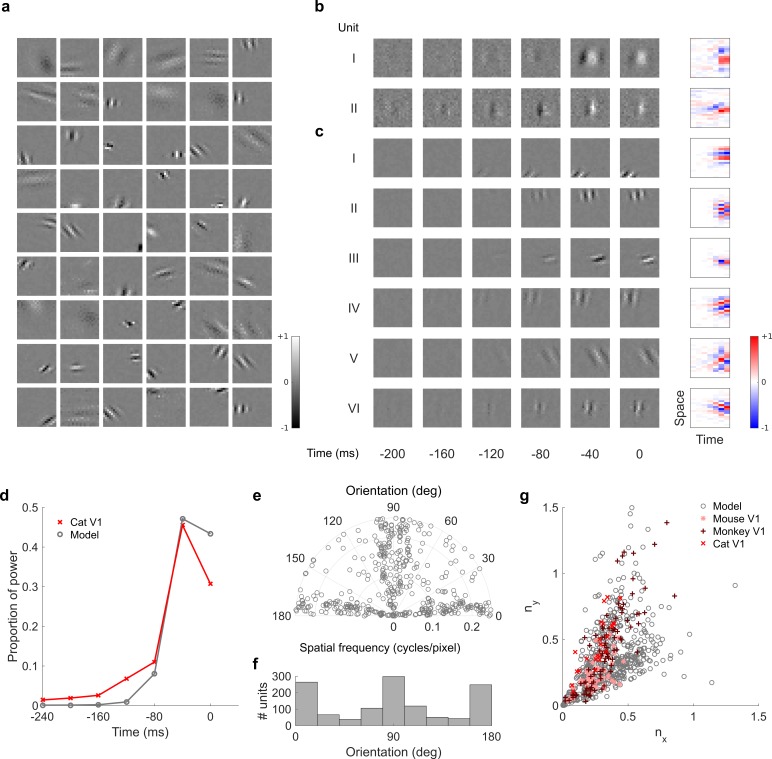
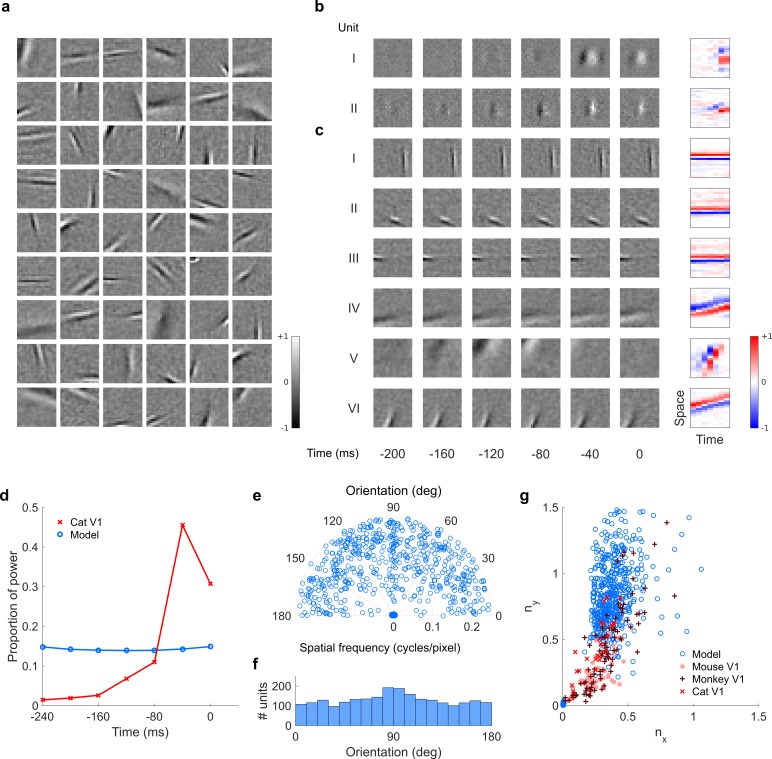
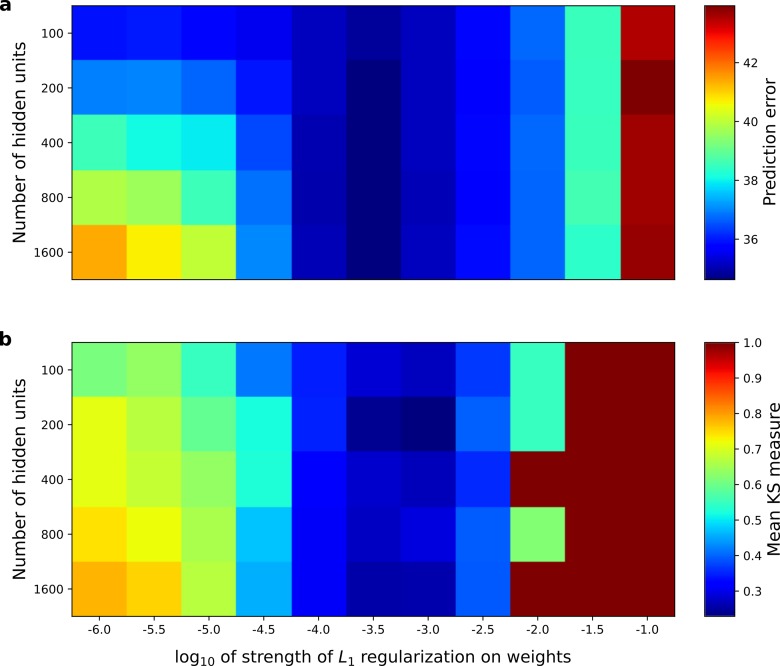
Neurons in sensory cortex are tuned to diverse features in natural scenes. But what determines which features neurons become selective to? Here we explore the idea that neuronal selectivity is optimized to represent features in the recent sensory past that best predict immediate future inputs. We tested this hypothesis using simple feedforward neural networks, which were trained to predict the next few moments of video or audio in clips of natural scenes. The networks developed receptive fields that closely matched those of real cortical neurons in different mammalian species, including the oriented spatial tuning of primary visual cortex, the frequency selectivity of primary auditory cortex and, most notably, their temporal tuning properties. Furthermore, the better a network predicted future inputs the more closely its receptive fields resembled those in the brain. This suggests that sensory processing is optimized to extract those features with the most capacity to predict future input.
Keywords: auditory; cortex; ferret; model; neuroscience; normative; prediction.
© 2018, Singer et al.
Conflict of interest statement
YS, YT, BW, JS, NH No competing interests declared, AK Senior Editor, eLife
Figures
References
-
- Aertsen AM, Olders JH, Johannesma PI. Spectro-temporal receptive fields of auditory neurons in the grassfrog. III. Analysis of the stimulus-event relation for natural stimuli. Biological Cybernetics. 1981;39:195–209. - PubMed
Publication types
MeSH terms
Grants and funding
LinkOut - more resources
Full Text Sources
Other Literature Sources
Miscellaneous
