


The Effect of Graphic Warnings on Sugary-Drink Purchasing
- PMID: 29912624
- PMCID: PMC6088502
- DOI: 10.1177/0956797618766361
The Effect of Graphic Warnings on Sugary-Drink Purchasing
Abstract
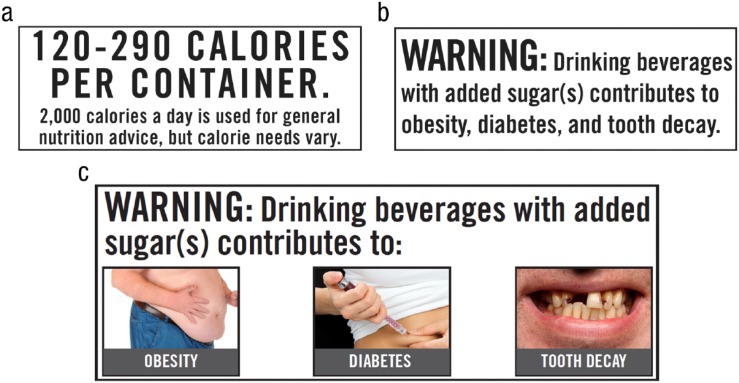
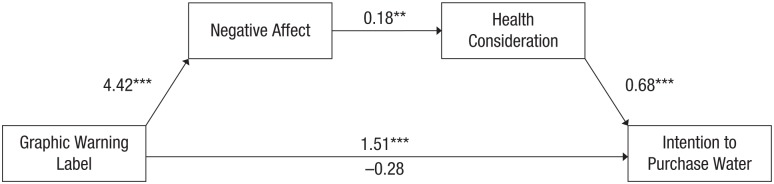
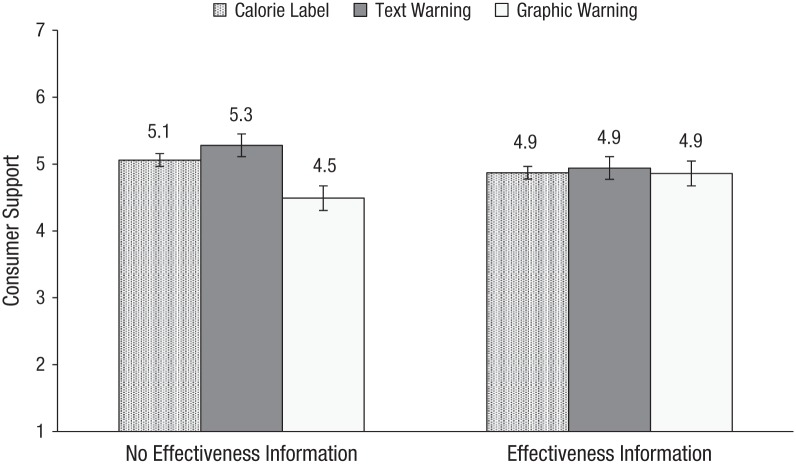
Governments have proposed text warning labels to decrease consumption of sugary drinks-a contributor to chronic diseases such as diabetes. However, they may be less effective than more evocative, graphic warning labels. We field-tested the effectiveness of graphic warning labels (vs. text warning labels, calorie labels, and no labels), provided insight into psychological mechanisms driving effectiveness, and assessed consumer sentiment. Study 1 indicated that graphic warning labels reduced the share of sugary drinks purchased in a cafeteria from 21.4% at baseline to 18.2%-an effect driven by substitution of water for sugary drinks. Study 2 showed that graphic warning labels heighten negative affect and prompt consideration of health consequences. Study 3 indicated that public support for graphic warning labels can be increased by conveying effectiveness information. These findings could spur more effective labeling policies that facilitate healthier choices, do not decrease overall beverage purchases, and are publicly accepted.
Trial registration: ClinicalTrials.gov NCT02744859 NCT02947802.
Keywords: decision making; food; health; open data; open materials; policy making; preferences; preregistered.
Conflict of interest statement
Figures
References
-
- Bleich S. N., Barry C. L., Gary-Webb T. L., Herring B. J. (2014). Reducing sugar-sweetened beverage consumption by providing caloric information: How Black adolescents alter their purchases and whether the effects persist. American Journal of Public Health, 104, 2417–2424. doi:10.2105/ajph.2014.302150 - DOI - PMC - PubMed
-
- Bleich S. N., Economos C. D., Spiker M. L., Vercammen K. A., VanEpps E. M., Block J. P., . . . Roberto C. A. (2017). A systematic review of calorie labeling and modified calorie labeling interventions: Impact on consumer and restaurant behavior. Obesity, 25, 2018–2044. doi:10.1002/oby.21940 - DOI - PMC - PubMed
-
- Bollard T., Maubach N., Walker N., Ni Mhurchu C. (2016). Effects of plain packaging, warning labels, and taxes on young people’s predicted sugar-sweetened beverage preferences: An experimental study. International Journal of Behavioral Nutrition and Physical Activity, 13, Article 95. doi:10.1186/s12966-016-0421-7 - DOI - PMC - PubMed
Publication types
MeSH terms
Substances
Associated data
Grants and funding
LinkOut - more resources
Full Text Sources
Other Literature Sources
Medical
