


Antibiotic prescribing for acute respiratory tract infections in primary care: an updated and expanded meta-ethnography
- PMID: 29914880
- PMCID: PMC6104881
- DOI: 10.3399/bjgp18X697889
Antibiotic prescribing for acute respiratory tract infections in primary care: an updated and expanded meta-ethnography
Abstract
Background: Reducing unnecessary prescribing remains a key priority for tackling the global rise of antibiotic-resistant infections.
Aim: The authors sought to update a 2011 qualitative synthesis of GPs' experiences of antibiotic prescribing for acute respiratory tract infections (ARTIs), including their views of interventions aimed at more prudent prescribing. They expanded the original scope to encompass all primary care professionals (PCPs) who can prescribe or dispense antibiotics for ARTIs (for example, nurses and pharmacists).
Design and setting: Systematic review and meta-ethnography of qualitative studies.
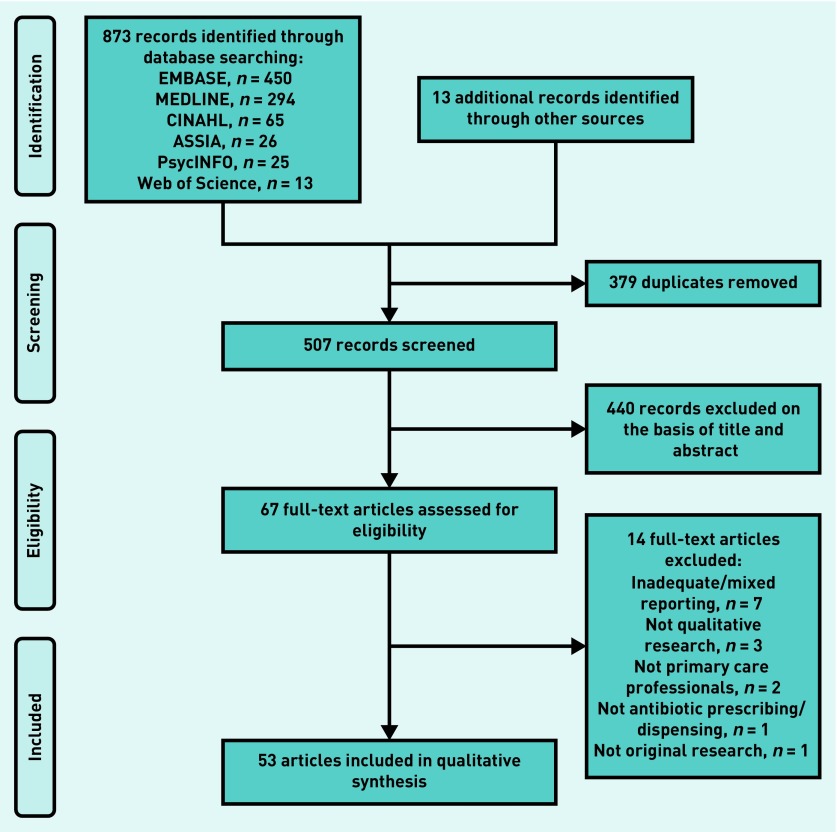
Method: A systematic search was conducted on MEDLINE, EMBASE, PsycINFO, CINAHL, ASSIA, and Web of Science. No date or language restrictions were used. Identified studies were grouped according to their thematic focus (usual care versus intervention), and two separate syntheses were performed.
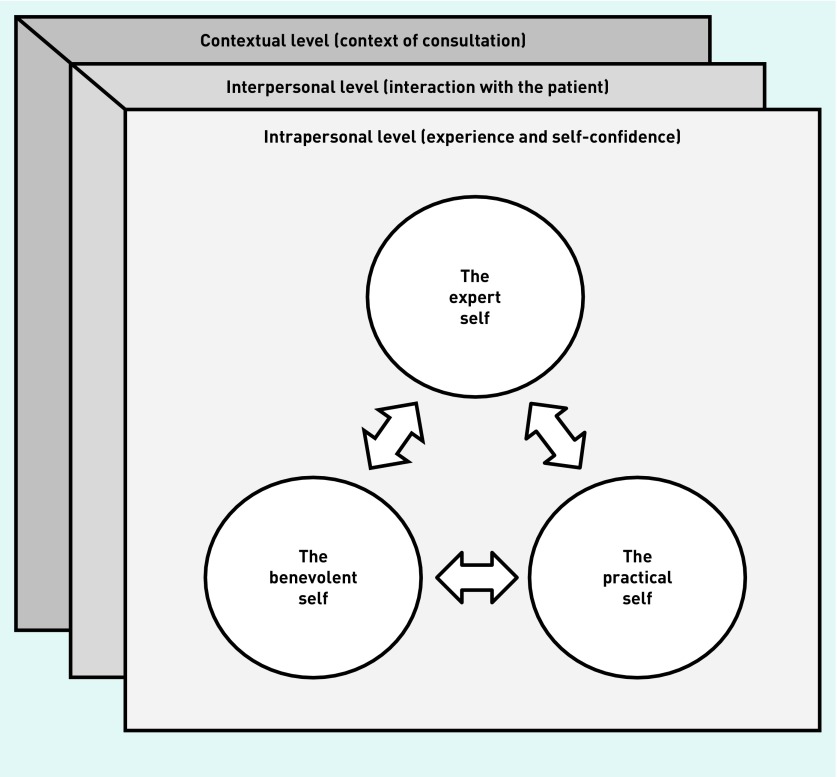
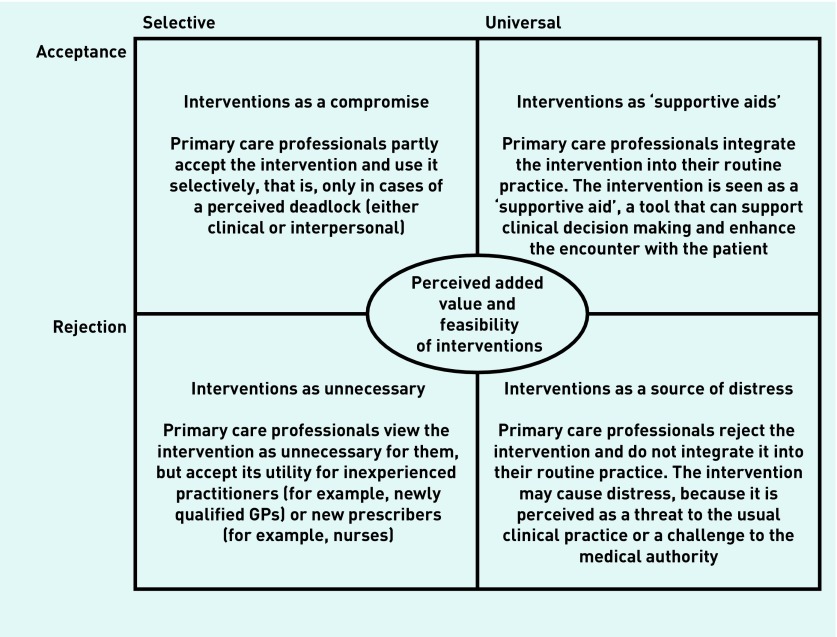
Results: In all, 53 articles reporting the experiences of >1200 PCPs were included. Analysis of usual-care studies showed that PCPs tend to assume multiple roles in the context of ARTI consultations (the expert self, the benevolent self, the practical self), depending on the range of intrapersonal, interpersonal, and contextual situations in which they find themselves. Analysis of intervention studies identified four possible ways in which PCPs may experience quality improvement interventions (compromise, 'supportive aids', source of distress, and unnecessary).
Conclusion: Contrary to the original review, these results suggest that the use of the same intervention is experienced in a totally different way by different PCPs, and that the same elements that are perceived as benefits by some could be viewed as drawbacks by others. Acceptability of interventions is likely to increase if these are context sensitive and take into account PCPs' varying roles and changing priorities.
Keywords: antibacterial agents; inappropriate prescribing; interventions; primary health care; qualitative research; respiratory tract infections.
© British Journal of General Practice 2018.
Figures
References
-
- Centers for Disease Control and Prevention Antibiotic prescribing and use in doctor’s offices. 2016 https://www.cdc.gov/getsmart/community/about/fast-facts.html (accessed 24 May 2018)
-
- International Federation of Pharmaceutical Manufacturers & Associations. AMR industry alliance. United against antimicrobial resistance 2016. https://www.ifpma.org/partners-2/declaration-by-the-pharmaceutical-biote... (accessed 24 May 2018)
-
- O’Neill J. Tackling drug resistant infections globally: Final report and recommendations. 2016. Review On Antimicrobial Resistance. http://amr-review.org/sites/default/files/160518_Final%20paper_with%20co... (accessed 24 May 2018)
-
- World Bank Group Drug resistant infections: a threat to our economic future. 2017. http://documents.worldbank.org/curated/en/323311493396993758/pdf/114679-... (accessed 24 May 2018)
Publication types
MeSH terms
Substances
LinkOut - more resources
Full Text Sources
Other Literature Sources
Medical
