


A11, a novel diaryl acylhydrazone derivative, exerts neuroprotection against ischemic injury in vitro and in vivo
- PMID: 29925921
- PMCID: PMC6329839
- DOI: 10.1038/s41401-018-0028-4
A11, a novel diaryl acylhydrazone derivative, exerts neuroprotection against ischemic injury in vitro and in vivo
Abstract
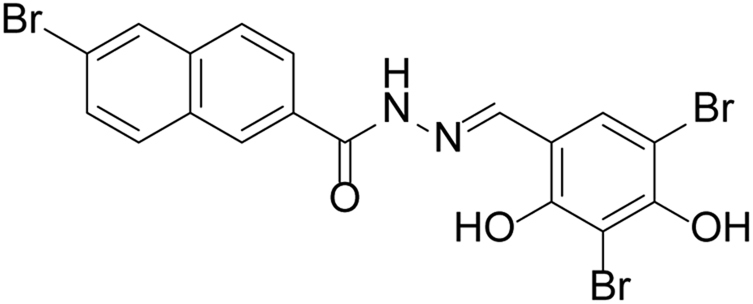
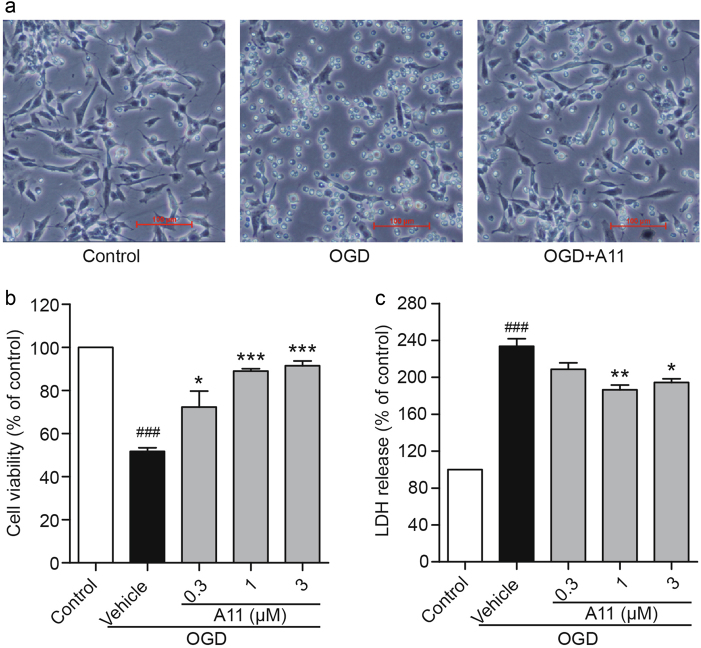
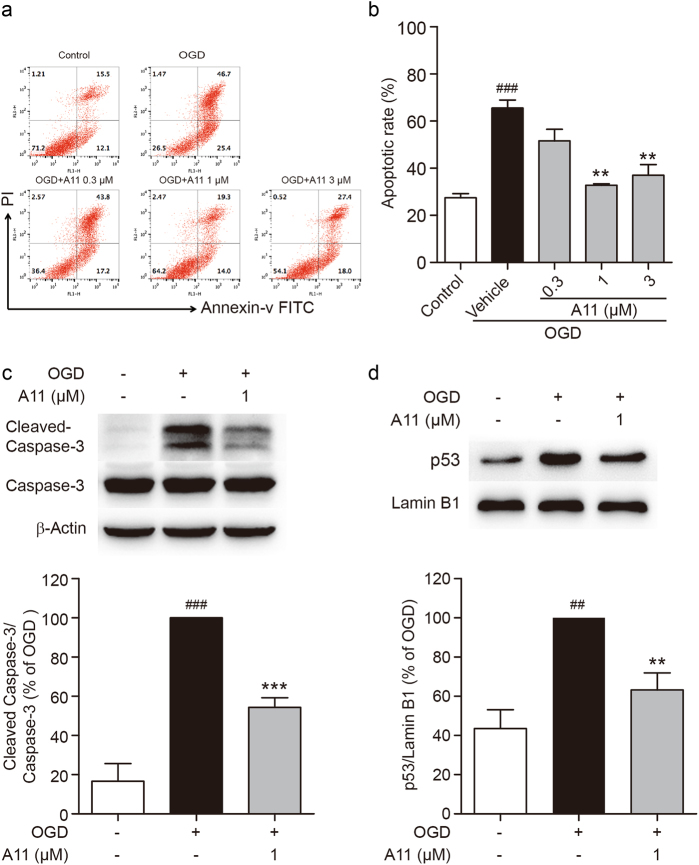
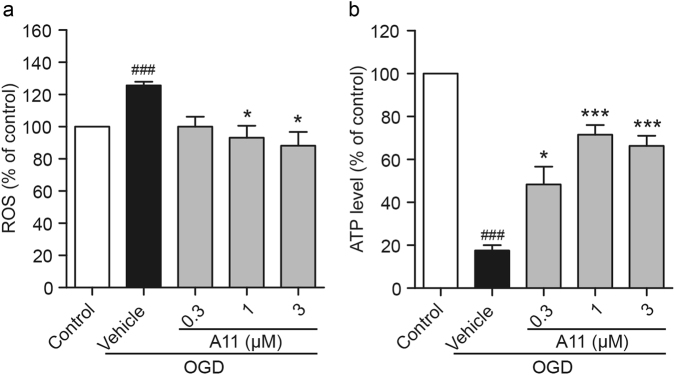
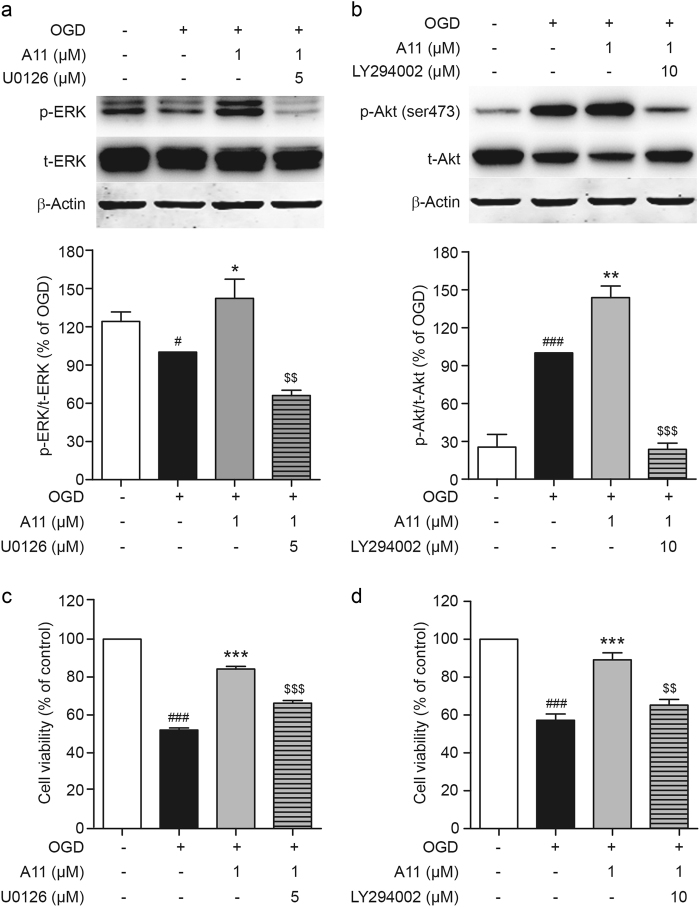
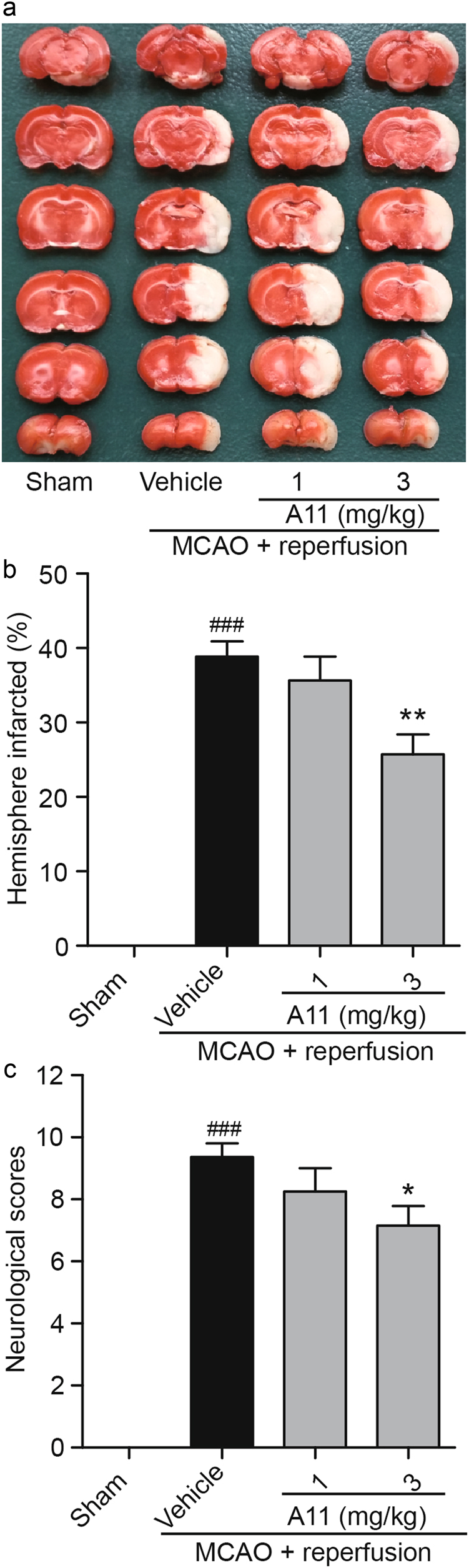
There is an urgent need to develop effective therapies for ischemic stroke, but the complicated pathological processes after ischemia make doing so difficult. In the current study, we identified a novel diaryl acylhydrazone derivative, A11, which has multiple neuroprotective properties in ischemic stroke models. First, A11 was demonstrated to induce neuroprotection against ischemic injury in a dose-dependent manner (from 0.3 to 3 μM) in three in vitro experimental ischemic stroke models: oxygen glucose deprivation (OGD), hydrogen peroxide, and glutamate-stimulated neuronal cell injury models. Moreover, A11 was able to potently alleviate three critical pathological changes, apoptosis, oxidative stress, and mitochondrial dysfunction, following ischemic insult in neuronal cells. Further analysis revealed that A11 upregulated the phosphorylation levels of protein kinase B (AKT) and extracellular signal-regulated kinase (ERK) in OGD-exposed neuronal cells, suggesting joint activation of the phosphoinositide 3-kinase (PI3K)/AKT and mitogen-activated protein kinase (MEK)/ERK pathways. In rats with middle cerebral artery occlusion, single-dose administration of A11 (3 mg/kg per day, i.v.) at the onset of reperfusion significantly reduced the infarct volumes and ameliorated neurological deficits. Our study, for the first time, reports the anti-ischemic effect of diaryl acylhydrazone chemical entities, especially A11, which acts on multiple ischemia-associated pathological processes. Our results may provide new clues for the development of an effective therapeutic agent for ischemic stroke.
Keywords: diaryl acylhydrazone; extracellular signal-regulated kinase; ischemic stroke; middle cerebral artery occlusion; neuroprotection; oxygen glucose deprivation; protein kinase B.
Conflict of interest statement
The authors declare no competing interests.
Figures


References
-
- Krishnamurthi RV, Feigin VL, Forouzanfar MH, Mensah GA, Connor M, Bennett DA, et al. Global and regional burden of first-ever ischaemic and haemorrhagic stroke during 1990–2010: findings from the Global Burden of Disease Study 2010. Lancet Glob Health. 2013;1:e259–e81. doi: 10.1016/S2214-109X(13)70089-5. - DOI - PMC - PubMed
-
- Buendia I, Tenti G, Michalska P, Mendez-Lopez I, Luengo E, Satriani M, et al. ITH14001, a CGP37157-nimodipine hybrid designed to regulate calcium homeostasis and oxidative stress, exerts neuroprotection in cerebral ischemia. ACS Chem Neurosci. 2017;8:67–81. doi: 10.1021/acschemneuro.6b00181. - DOI - PubMed
MeSH terms
Substances
LinkOut - more resources
Full Text Sources
Other Literature Sources
Miscellaneous
