. 2018 Jun;558(7711):615-619.
doi: 10.1038/s41586-018-0239-3. Epub 2018 Jun 20.

Epigenetic inheritance mediated by coupling of RNAi and histone H3K9 methylation

Affiliations

Epigenetic inheritance mediated by coupling of RNAi and histone H3K9 methylation

Ruby Yu et al. Nature. 2018 Jun.

Abstract

Histone post-translational modifications (PTMs) are associated with epigenetic states that form the basis for cell-type-specific gene expression1,2. Once established, histone PTMs can be maintained by positive feedback involving enzymes that recognize a pre-existing histone modification and catalyse the same modification on newly deposited histones. Recent studies suggest that in wild-type cells, histone PTM-based positive feedback is too weak to mediate epigenetic inheritance in the absence of other inputs3-7. RNA interference (RNAi)-mediated histone H3 lysine 9 methylation (H3K9me) and heterochromatin formation define a potential epigenetic inheritance mechanism in which positive feedback involving short interfering RNA (siRNA) amplification can be directly coupled to histone PTM positive feedback8-14. However, it is not known whether the coupling of these two feedback loops can maintain epigenetic silencing independently of DNA sequence and in the absence of enabling mutations that disrupt genome-wide chromatin structure or transcription15-17. Here, using the fission yeast Schizosaccharomyces pombe, we show that siRNA-induced H3K9me and silencing of a euchromatic gene can be epigenetically inherited in cis during multiple mitotic and meiotic cell divisions in wild-type cells. This inheritance involves the spreading of secondary siRNAs and H3K9me3 to the targeted gene and surrounding areas, and requires both RNAi and H3K9me, suggesting that the siRNA and H3K9me positive-feedback loops act synergistically to maintain silencing. By contrast, when maintained solely by histone PTM positive feedback, silencing is erased by H3K9 demethylation promoted by Epe1, or by interallelic interactions that occur after mating to cells containing an expressed allele even in the absence of Epe1. These findings demonstrate that the RNAi machinery can mediate transgenerational epigenetic inheritance independently of DNA sequence or enabling mutations, and reveal a role for the coupling of the siRNA and H3K9me positive-feedback loops in the protection of epigenetic alleles from erasure.


Conflict of interest statement

The authors declare no competing financial interests.

Figures
Extended Data Figure 1 |
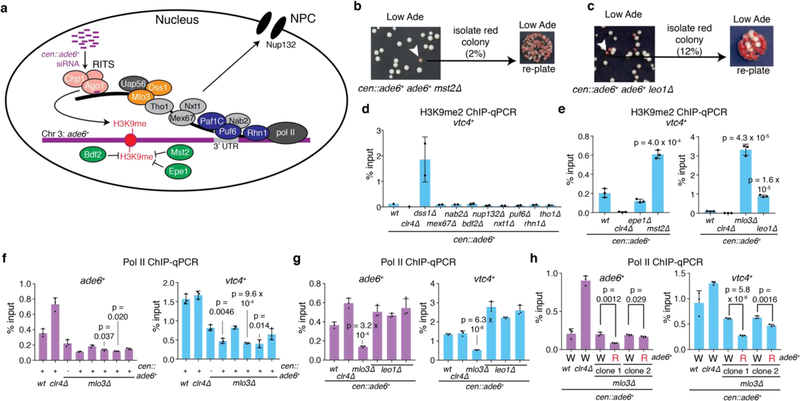
Extended Data Figure 1 |. siRNA-induced H3K9me3 at the euchromatic ade6+ locus and flanking region.
a, Summary of pathways and factors involved in mRNA 3’end processing and its coupling to nuclear export. Chp1 and Ago1 are subunits of the RNAi-induced transcriptional silencing complex (RITS). Uap56 and Mlo3 are TREX (transcription-export) complex subunits, and associate with Dss1 to mediate mRNA export. Tho1 is a subunit of the THO/TREX complex, which is responsible for recruiting other subunits of the TREX complex to mRNA. Mex67 is an ortholog of human NXF1, a critical mRNA export receptor, and associates with Nxt1, another mRNA export factor. Puf6 is an mRNA 3’-UTR-binding protein that has been shown to associate with Mlo3. Rhn1 is involved in RNA Pol II transcriptional termination. Nab2 is a poly(A)-binding protein. The Paf1 complex is required for transcriptional elongation and 3’ end processing, and mutations in Paf1 subunits allow siRNA-mediated heterochromatin formation and silencing of euchromatic genes. Nup132 is a component of the nuclear pore complex (NPC) that has been linked to mRNA export factors. Bdf2 is a histone binding protein that has been shown to inhibit the spreading of centromeric heterochromatin. Epe1 is a jmjC-domain containing putative demethylase that also promotes spreading of heterochromatin. Mst2 is a histone aceyltransferase. See main text for references. b-c, Around 1000 cen::ade6+ mst2∆ (b) or cen::ade6+ leo1∆ (c) cells were plated on low adenine medium (Low Ade). Most cells formed white colonies, indicating expression of endogenous ade6+, while ~2% of mst2∆ (b) and 12% of leo1∆ (c) cells formed red or pink colonies, indicating silencing of endogenous ade6+ (white arrow). Upon replating, the resulting red colonies formed mostly red colonies, indicating efficient maintenance of the silent state. Repeated once with similar results for each. d-e, ChIP-qPCR assays showing mean +/− SD H3K9me2 levels at the vtc4+ locus, which is located next to the ade6+ gene, in the indicated mutant cells based on 2 (d) or 3 (e) independent clones. p values are based on a 2-tailed Student’s t-test comparing the indicated mutants to wild-type cells. f-h, ChIP-qPCR assays showing mean +/− SD Pol II occupancy at the ade6+ (purple) or vtc4+ (blue) locus in mlo3∆ or leo1∆ clones that have not been selected for silencing (99.5% and 88% white, respectively); p values are based on a 2-tailed Student’s t-test comparing the indicated mutants to wildtype cells (f-g). In (h), either an ade6+-ON (W) or ade6+-OFF (R) colony from each of two clones was picked for analysis. p values based on a 2-tailed Student’s t-test comparing the indicated red to white cells for each clone. 3 biological replicates were used per sample.
Extended Data Figure 2 |
Extended Data Figure 2 |. The acquired ade6+ silent allele is stable in the absence of the cen::ade6+ siRNA trigger and the mlo3∆ enabling mutation.
a, ade6+-OFF progeny of the cross in Fig. 2b with the indicated genotypes were plated on Low Ade medium. See Fig 2c for related results. b-e, Biological replicates of the crosses shown in Fig. 2d-g. cen::ade6+ mlo3∆ ade6+-OFF cells were crossed to cen+ mlo3+ ade6BC+-ON cells with deletions of key RNAi components (b-d) or H3K9 methyltransferase Clr4 (e) followed by RSA. All ade6+-OFF progeny were RNAi+ and clr4+. Bars indicate number of ade6+-OFF meiotic progeny for each genotype.
Extended Data Figure 3 |
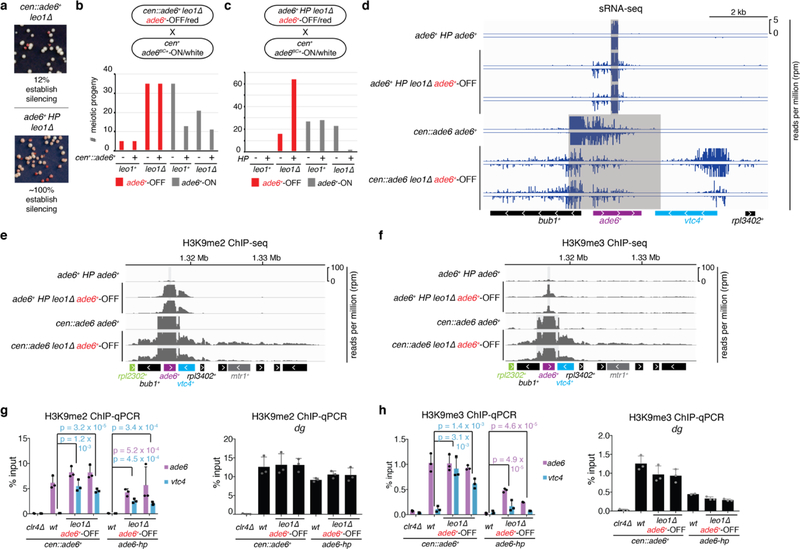
Extended Data Figure 3 |. The siRNA driver locus is critical for establishing a heritable silent epiallele
a, cen::ade6+ leo1∆ (left) or ade6+ hairpin (HP) leo1∆ (right) cells were plated on low adenine medium. ~12% of cen::ade6+ leo1∆ (left) and 100% of ade6+ HP leo1∆ (right) cells formed red or pink colonies, indicating silencing of endogenous ade6+. Repeated twice. b-c, cen::ade6+ ade6+-OFF leo1∆ cells (b) or ade6+ HP ade6+-OFF leo1∆ (c) cells were crossed to cen+ ade6BC+-ON cells followed by random spore analysis (RSA). Number of progeny matching each indicated genotype and phenotype is shown. 80 red and 80 white colonies were genotyped by PCR. Results reflect two independent crosses. d, siRNA-sequencing showing limited secondary siRNA generation in ade6+ HP leo1∆ ade6+-OFF cells, compared with more extensive secondary siRNA spreading to neighboring genes bub1+ and vtc4+ in cen::ade6+ leo1∆ ade6+-OFF cells. Shaded areas represent sequence identity to ade6+ HP (top 3 rows) or cen::ade6+ (bottom 3 rows). Two independent clones shown for each experimental sample. e-f, H3K9me2 (e) and H3K9me3 (f) ChIP-seq reads mapping to the endogenous ade6+ locus in cells with the indicated genotypes and expression states. Shaded areas represent sequence identity to ade6+ HP (top 3 rows) or cen::ade6+ (bottom 3 rows). Two independent clones shown for each experimental sample. g-h, ChIP-qPCR assays showing differences in H3K9me2 (g) or H3K9me3 (h) levels in cen::ade6+ leo1∆ ade6+-OFF and ade6+ HP leo1∆ ade6+-OFF cells at ade6+ (purple) and vtc4+ (blue). Bars reflect mean +/− SD from 3 biological replicates. p values are based on 2-tailed Student’s t-test comparing leo1∆ cells to appropriate wild-type cells. On the right, control ChIP-qPCR at dg repeats.
Extended Data Figure 4 |
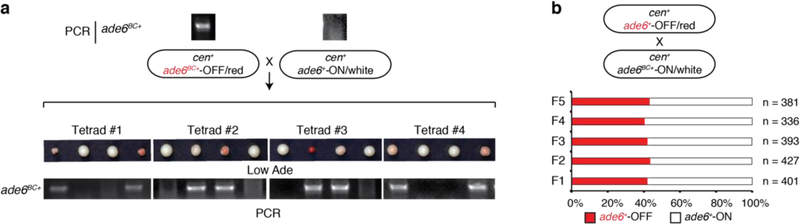
Extended Data Figure 4 |. cis inheritance of the acquired ade6+ silencing and its stable propagation over multiple meiotic generations.
a, ade6BC-OFF cells crossed to ade6+-ON cells, followed by tetrad dissection on Low Ade medium (top) and genotyping using allele-specific PCRs (bottom), showed the 2:2 segregation of the OFF and ON states and cis transmission of each state. Performed once, but see Fig. 3a for reciprocal cross. b, ade6+-OFF progeny of repeated ade6+-OFF x ade6BC+-ON crosses were selected and crossed again, showing stability of the ade6+-OFF allele over five meiotic generations. n, number of meiotic progeny analyzed. Independent replicate of cross in Fig. 3c.
Extended Data Figure 5 |
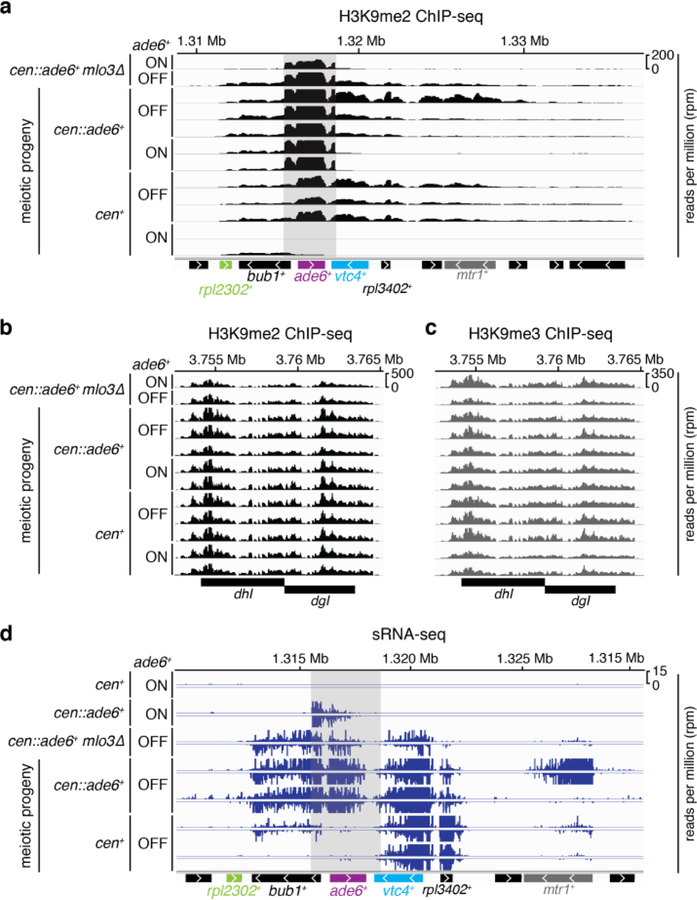
Extended Data Figure 5 |. Induction of H3K9me and siRNAs at the endogenous ade6+ locus.
a, H3K9me2 ChIP-seq reads mapping to the endogenous ade6+ locus in cells with the indicated genotypes and expression states. Shaded area indicates the region of sequence identify with cen::ade6+. b-c, H3K9me2 (b) and H3K9me3 (c) ChIP-seq reads mapping to the dg and dh repeats of centromere 1 (dg1 and dh1, respectively) in cells with the indicated genotypes and phenotypes. d, Zoomed in view of sRNA-seq reads at the endogenous ade6+ locus shown in Fig. 3e. Shaded area indicates cen::ade6+ homology. 2–3 independent clones were sequenced each for ON and OFF meiotic progeny.
Extended Data Figure 6 |
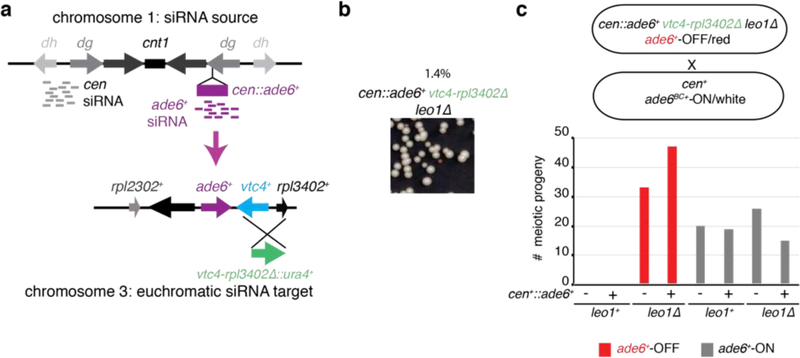
Extended Data Figure 6 |. vtc4+ and rpl3402+ are critical for inheritance of silencing at the endogenous ade6+ locus.
a, Schematic of the siRNA driver cen::ade6+ locus on chromosome 1 (upper) and the endogenous ade6+ locus (lower) in which the vt4+ and rpl3402+ genes were replaced with the ura4+ gene ( vtc4-rpl3402∆::ura4+). b, Frequency of silencing establishment at endogenous ade6+ in cen::ade6+ leo1∆ vtc4-rpl3402∆ cells. Repeated twice. c, cen::ade6+ leo1∆ vtc4-rpl3402∆ ade6+-OFF cells were crossed to cen+ leo1+ ade6BC+-ON cells followed by random spore analysis (RSA) to test the epigenetic maintenance of the OFF state in the absence of the cen::ade6+ siRNA driver and the leo1∆ enabling mutation. The number of progeny matching each genotype and phenotype are shown. 80 white and 80 red progeny were genotyped. Results reflect two independent crosses.
Extended Data Figure 7 |
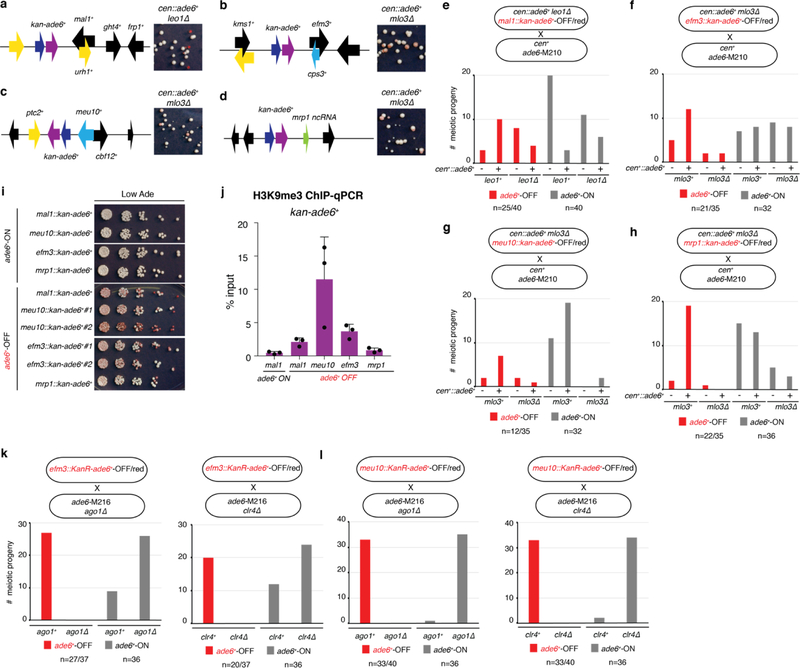
Extended Data Figure 7 |. Heritable silencing of a KanR-ade6+ transgene inserted at 4 different genomic loci.
a-d, Schematic diagrams of kan-ade6+ insertions at the mal1+ (a), efm3+ (b), meu10+ (c), and mrp1+ (d) loci. e-h, KanR-ade6+-OFF cells of the indicated genotypes were crossed to cen1+ ade6-M210 cells followed by random spore analysis. The number of progeny matching each genotype and phenotype are shown. Total red or white colonies genotyped are indicated for each cross. For red cells, the first number indicates kanamycin-resistant colonies (indicating presence of the KanR-ade6+-OFF transgene) and second number indicates total red colonies (the remainder of which possess the endogenous ade6-M210 mutant allele). i, cen+ KanR-ade6+ mlo3+ leo+ progeny of the crosses in (e)-(h) were plated on media containing low adenine to test for stability of each epiallele during mitotic growth. Performed once. j, ChIP-qPCR assay showing enrichment of H3K9me3 at KanR-ade6+ epialleles in the cen+ mlo3+ leo1+ progeny of the crosses in (e)-(h). Sample mean +/− SD from 3 biological replicates. k-l, efm3::KanR-ade6+-OFF (k) or meu10::KanR-ade6+-OFF (l) cells were crossed to ade6-M216 ago1∆ (left) or clr4∆ (right), followed by RSA. All ade6+-OFF progeny were ago1+ and clr4+. Bars indicate the number of ade6+-OFF meiotic progeny for each genotype. Total red or white colonies genotyped are indicated for each cross. For red cells, the first number indicates kanamycin-resistant colonies (reflecting the presence of the KanR-ade6+-OFF transgene) and the second number indicates the total red colonies (the remainder of which possess only the ade6-M210 allele).
Extended Data Figure 8 |
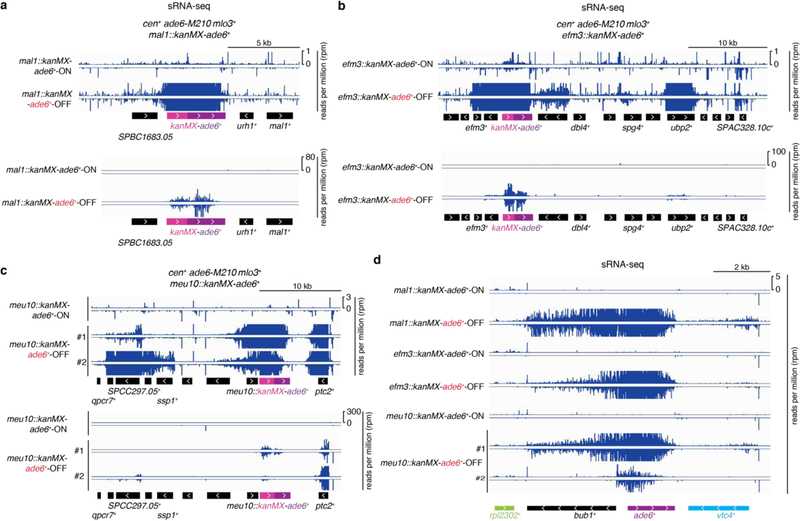
Extended Data Figure 8 |. Heritable silencing of KanR-ade6+ transgenes correlates with local secondary siRNA generation.
a-c, Zoomed in (upper) or zoomed out (lower) sRNA-seq reads mapping to the indicated KanR-ade6+ transgenes in cen+ mlo3+ leo1+ meiotic progeny of the crosses in Extended Data Fig. 7e-g. In (c), two different red clones are shown, corresponding to clone #1 (upper) and clone #2 (lower) in Extended Data Fig. 7i. In these clones, the magnitude of locally hopped siRNAs (not mapping to KanR-ade6+) correlates with the magnitude and efficiency of inherited silencing. d, Zoomed in view of sRNA-seq reads mapping to the endogenous ade6+ locus. Sequencing was performed once, but for ade6+-OFF meu10::kanMX, which represented a strong silent epiallele, small RNAs from 2 independent clones (#1 and #2) were analyzed.
Extended Data Figure 9 |
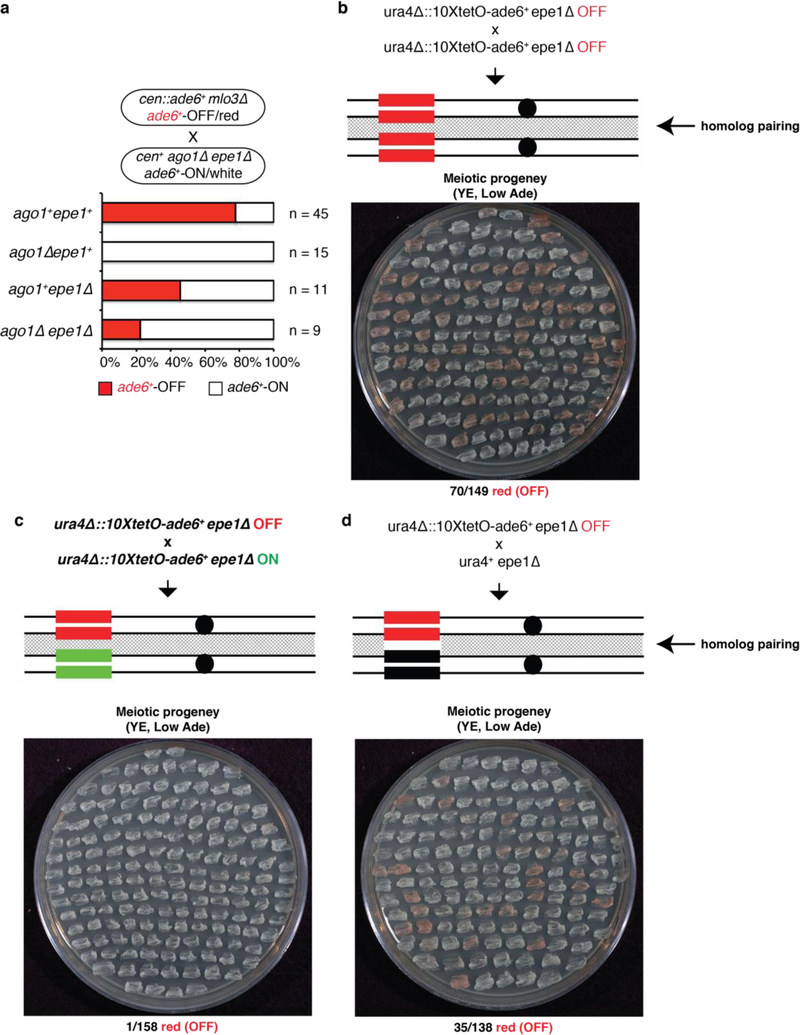
Extended Data Figure 9 |. Erasure of the silent state during diploid formation and meiosis requires interallelic pairing.
a, Biological replicate of the cross shown in Fig. 4a. cen::ade6+ mlo3∆ ade6+-OFF cells were crossed to cen+ ago1∆ epe1∆ ade6+-ON cells, followed by random spore analysis. Number and phenotype of mlo3+ progeny with the indicated genotypes and phenotypes (red = OFF, white = ON) are shown. mlo3∆ progeny were excluded. n, number of meiotic progeny analyzed. b, Mating of a ura4∆::10XtetO-ade6+ epe1∆ OFF allele with an identical OFF allele, followed by diploid formation and sporulation (meiosis) produces progeny in which the OFF state is maintained at a high frequency (47%). Repeated twice. c, Mating of the ura4∆::10XtetO-ade6+ epe1∆ OFF allele with a genetically identical ON allele results in erasure of the OFF state in nearly all of the resulting meiotic progeny. Repeated twice. d, Partial disruption of pairing by replacement of ura4∆::10XtetO-ade6+ with ura4+ partially restores the epigenetic maintenance of the OFF state. Repeated once.
Extended Data Figure 10 |
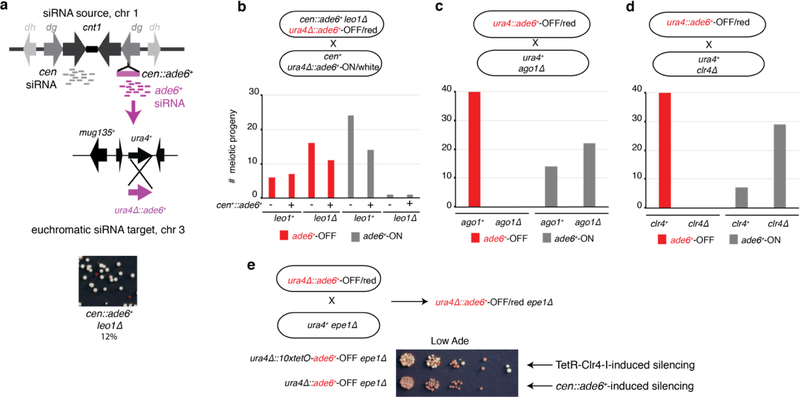
Extended Data Figure 10 |. Strategy for siRNA-induced silencing at the ura4Δ::ade6+ locus.
a. The ura4+ coding sequence was replaced with ade6+ to generate a ura4Δ::ade6+ allele in cen::ade6+ leo1Δ ade6-M210 cells. Formation of red colonies on low adenine medium indicated ura4Δ::ade6+ silencing. b, cen::ade6+ leo1Δ ura4Δ::ade6+-OFF cells were crossed to cen+ ura4Δ::ade6+-ON cells to demonstrate that the resulting ura4Δ::ade6+-OFF state is stable in the absence of the cen::ade6+ siRNA trigger or the leo1Δ enabling mutation. c, d. Crosses showing that the ura4Δ::ade6+-OFF epigenetic state depends on Ago1 (c) and Clr4 (d). e, Cross for generating an epe1Δ ura4Δ::ade6+-OFF epiallele (top) and comparison of RNAi-independent (TetR-Clr4-I-induced) and RNAi-dependent (cen::ade6+-induced) ade6+-OFF epialleles. Same results were obtained with independent clones.
Figure 1 |
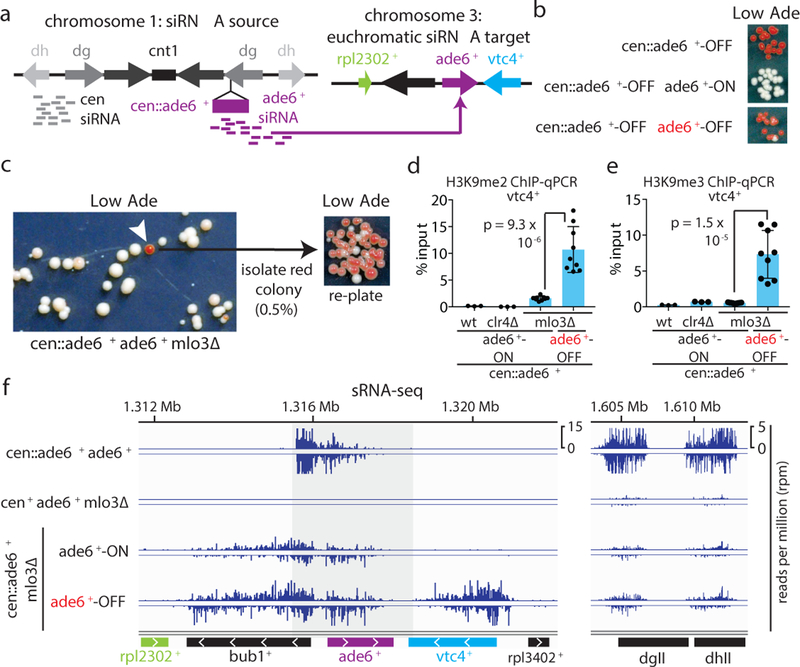
Figure 1 |. Establishment of siRNA-mediated silencing at the euchromatic ade6+ locus is associated with local siRNA generation and H3K9 methylation
a, Schematic of the cen::ade6+ siRNA driver (left) and euchromatic ade6+ target (right) loci. b, Expected phenotypes of cells containing the silenced cen::ade6+ locus alone or in combination with the euchromatic ade6+ in either expressed (ON/red) or silenced (OFF/red) states. c, cen::ade6+ mlo3∆ cells were plated on low adenine medium. ~0.5% of cells formed red or pink colonies, indicating silencing of euchromatic ade6+ (white arrow). Repeated three times with similar results. d-e, ChIP-qPCR assays showing H3K9me2 (d) or H3K9me3 (e) in ade6+-OFF (red) compared to ade6+-ON (white) cells at vtc4+. Sample means +/− SD from 3 (wt, clr4∆) or 9 (mlo3∆) biological replicates (reflecting 3 independent clones); p values resulting from a 2-tailed Student’s t-test. f, Left, siRNA-sequencing showing increased secondary siRNA generation in ade6+-OFF compared to ade6+-ON cells. Note that for the ade6+ gene itself and the immediately flanking sequences, the siRNA and H3K9me signals at the euchromatic and centromeric copies cannot be distinguished (shaded area represent sequence identity). Right, siRNAs mapping to the pericentromeric repeats (dgII and dhII) of chromosome 2 shown as controls. Sequencing was performed once but see Fig. 3e, ED Fig. 3d, and ED Fig 8d for related results.
Figure 2 |
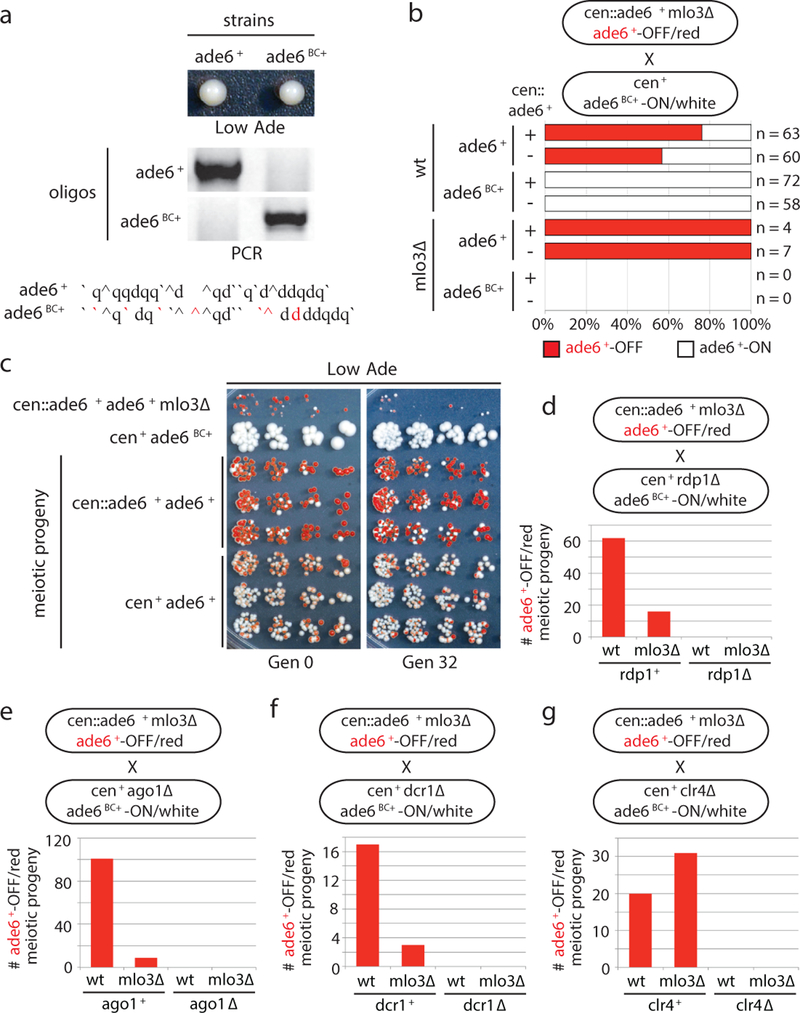
Figure 2 |. Maintenance of acquired silencing in wild-type cells and its dependence on RNAi and Clr4.
a, Top, the barcoded ade6BC+ allele was functional as shown by formation of a white colony on Low Ade medium; ade6+ served as a control. Bottom, sequences of the ade6+ and ade6BC+ alleles, base changes indicated in red. Allele-specific PCRs distinguish barcoded and wild-type alleles. Repeated >10 times with similar results. b, cen::ade6+ ade6+-OFF mlo3∆ cells were crossed to cen+ ade6BC+-ON cells followed by random spore analysis (RSA). The frequency with which silencing in the progeny with the indicated genotypes was maintained is shown. n, number of progeny analyzed. Repeated 3 times. c, The progeny from the cross in panel b were grown for 0 or 32 generations and plated on Low Ade medium. Heritable silencing, as indicated by the growth of red/pink colonies, for both cen+ and cen::ade6+ progeny is apparent for 32 generations. Performed once, see ED Fig. 2a for related results. d-g, cen::ade6+ mlo3∆ ade6+-OFF cells were crossed to cen+ mlo3+ ade6BC+-ON cells with deletions of key RNAi components (d-f), or H3K9 methyltransferase clr4+ (g), followed by RSA. All ade6+-OFF progeny were RNAi+ and clr4+. Bars indicate number of ade6+-OFF meiotic progeny for each genotype. Repeated in ED Fig. 2b-e with similar results.
Figure 3 |
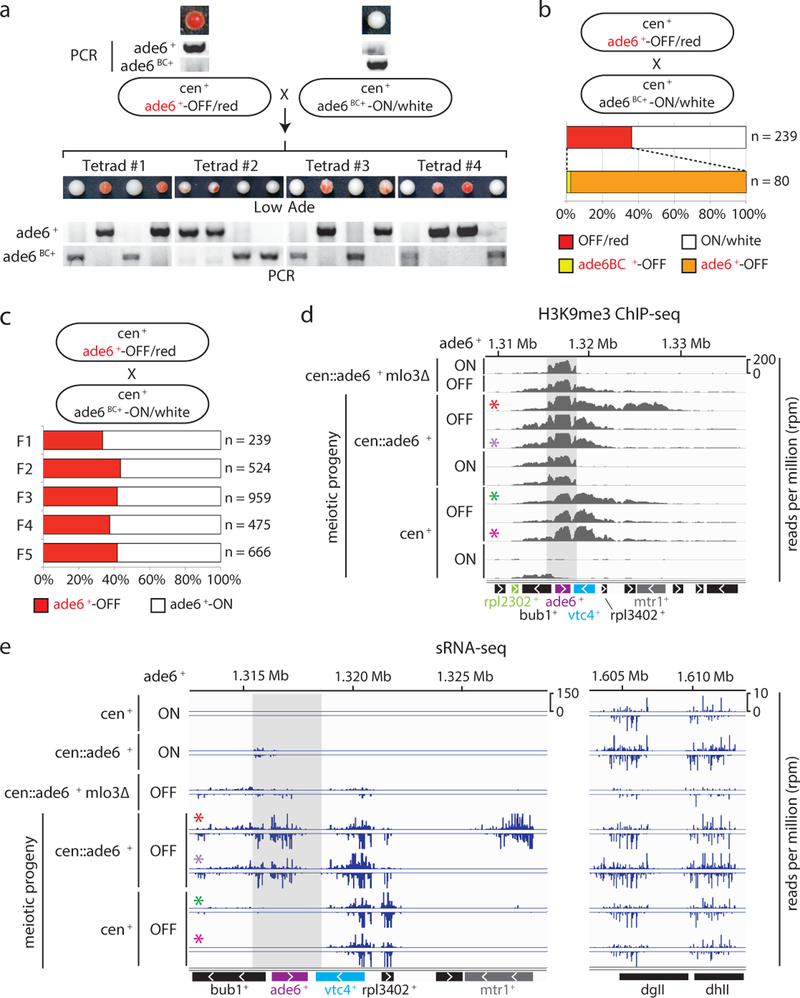
Figure 3 |. Cis inheritance of the silent ade6+ epiallele and its association with H3K9me3 and secondary siRNA generation.
a, ade6+-OFF cells crossed to ade6BC+-ON cells, followed by tetrad dissection on Low Ade medium (top) and genotyping using allele-specific PCRs (bottom), showed the 2:2 segregation of the OFF and ON states and cis transmission of each state. See ED Fig. 4a for the reciprocal cross showing similar results. b, ade6+-OFF cells were crossed to ade6BC+-ON cells, followed by random spore analysis. 80 out of 220 haploid meiotic progeny (36%) maintained silencing of ade6+, largely in cis (78 out of 80 cells). Repeated 3 times with similar results. c, ade6+-OFF progeny of repeated ade6+-OFF x ade6BC+-ON crosses were selected and crossed again, showing stability of the ade6+-OFF allele over five meiotic generations. n, number of meiotic progeny analyzed. Repeated with similar results in ED Fig 4b. d, H3K9me3 ChIP-seq reads mapping to the euchromatic ade6+ locus in cells with the indicated genotypes and expression states. Colored asterisks indicate ChIP- and sRNA- sequencing (shown in panel e) of the same clones. Shaded area, region of sequence identity with cen::ade6+. 2–3 independent clones were analyzed for each ON and OFF meiotic progeny. e, sRNA-seq reads mapping to the ade6+ locus in cells with the indicated genotypes and expression states at the euchromatic ade6+ locus (left) and the pericentromeric repeats of chromosome 2 (dgII and dhII) (right). Shaded area and colored asterisks as described in panel d legend. 2 independent clones were analyzed for each OFF progeny.
Figure 4 |
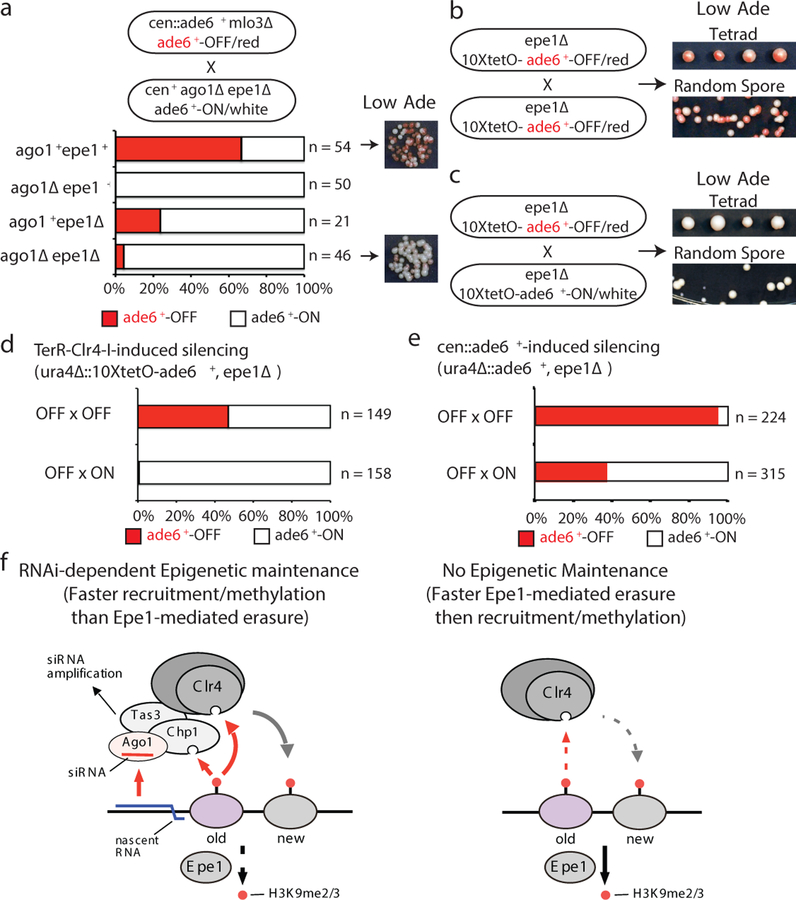
Figure 4 |. RNAi protects an acquired silent state against erasure by Epe1 or activation by an expressed homologous allele.
a, cen::ade6+ mlo3∆ ade6+-OFF cells were crossed to cen+ ago1∆ epe1∆ ade6+-ON cells, followed by random spore analysis. Number and phenotype of mlo3+ progeny with the indicated genotypes and phenotypes are shown. mlo3∆ progeny were excluded. On the right, growth on Low Ade medium indicated meiotic progeny showing maintenance of the ade6+-OFF state in ago1∆ epe11∆ cells. All ago1∆ epe1+ progeny formed white colonies indicating loss of the silent state. n, number of meiotic progeny analyzed. b-d, epe1∆ ura4∆::10xtetO-ade6+-OFF cells were crossed to either epe1∆ ura4∆::10xtetO-ade6+-OFF (b) or epe1∆ ura4∆::10xtetO-ade6+-ON (c) cells, followed by tetrad dissection (top) or random spore analysis (bottom). Quantification of ON and OFF states in the progeny is shown in d. Silencing was initiated by siRNA-independent TetR-Clr4-I. n, total progeny. e, Mating of a ura4∆::ade6+-OFF epe1∆ allele with either an OFF or ON allele, followed by diploid formation and sporulation (meiosis), showing that when silencing is established in an siRNA-dependent manner (cen::ade6+ leo1∆), the OFF state is protected from pairing-induced erasure. n, total progeny. f, Model for the role of RNAi in allele-specific epigenetic inheritance. Left, the siRNA-programmed RITS complex, containing Ago1, Tas3, and Chp1, serves as an epigenetic sensor that maintains allele-specific gene silencing. When both H3K9me and local complementary siRNAs are present, RITS associates with the target locus and recruits the Clr4 methyltransferase complex to methylate histone H3K9 on newly deposited nucleosomes. RITS also promotes local siRNA amplification. Right, in the absence of local RNAi, H3K9me cannot be epigenetically maintained in epe1+ cells.

References

    1. Margueron R & Reinberg D Chromatin structure and the inheritance of epigenetic information. Nat Rev Genet 11, 285–296, doi:nrg2752 [pii] 10.1038/nrg2752 (2010). - DOI - PMC - PubMed
    1. Moazed D Mechanisms for the inheritance of chromatin states. Cell 146, 510–518, doi: 10.1016/j.cell.2011.07.013 (2011). - DOI - PMC - PubMed
    1. Ragunathan K, Jih G & Moazed D Epigenetics. Epigenetic inheritance uncoupled from sequence-specific recruitment. Science 348, 1258699, doi: 10.1126/science.1258699 (2015). - DOI - PMC - PubMed
    1. Audergon PN et al. Epigenetics. Restricted epigenetic inheritance of H3K9 methylation. Science 348, 132–135, doi: 10.1126/science.1260638 (2015). - DOI - PMC - PubMed
    1. Wang X & Moazed D DNA sequence-dependent epigenetic inheritance of gene silencing and histone H3K9 methylation. Science 356, 88–91, doi: 10.1126/science.aaj2114 (2017). - DOI - PMC - PubMed

Publication types