


Gene modification therapies: views of parents of people with Down syndrome
- PMID: 29930393
- PMCID: PMC6309526
- DOI: 10.1038/s41436-018-0077-6
Gene modification therapies: views of parents of people with Down syndrome
Abstract
Purpose: In considering gene modification technologies, the priorities of patient communities must be a central consideration. The purpose of this study is to assess views of families with Down syndrome (DS) regarding potential genome-based interventions.
Methods: We constructed an anonymous online survey for family members of people with DS. Participants were asked to agree or disagree with scenarios describing hypothetical interventions to silence or significantly alter the physical and cognitive effects of a trisomy 21, and also with scenarios depicting currently available physical interventions.
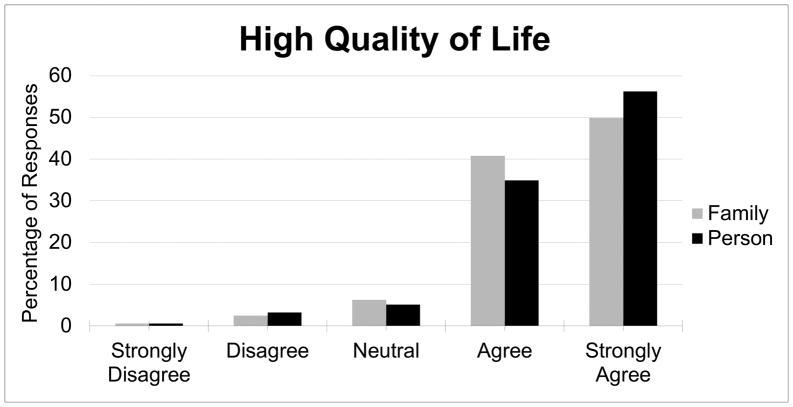
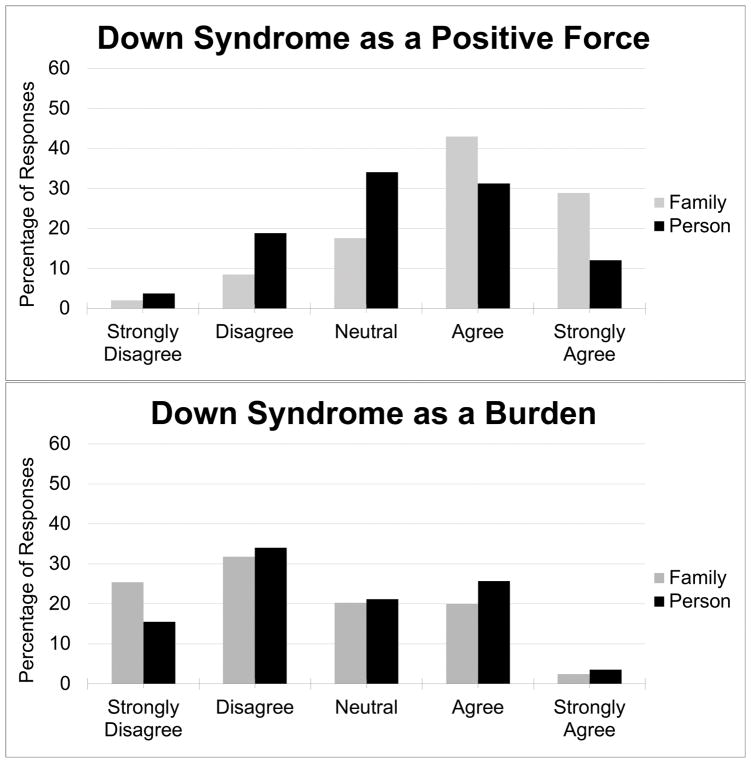
Results: All 532 respondents were parents of people with DS. For each of the five scenarios, over half said they would approve the intervention or would advise their children with DS to do so. Responses to hypothetical prenatal and pediatric cognitive interventions were significantly affected by participants' assessments of the impact of DS on their children's and their families' lives, while physical and adult cognitive scenarios were not.
Conclusion: Future interventions to address genetic conditions will impact patient communities and cannot succeed without their input and support. While many parents of people with DS indicated approval for hypothetical genetic therapies, these results indicate a need for continuing dialogue about benefits and drawbacks of gene modification technologies.
Keywords: CRISPR; Down syndrome; Gene editing; Gene silencing; Intellectual disability.
Conflict of interest statement
The authors declare no conflicts of interest.
Figures
References
-
- Doudna JA, Charpentier E. The new frontier of genome engineering with CRISPR-Cas9. Science. 2014;346(6213) - PubMed
-
- Baumann M. CRISPR/Cas9 genome editing – new and old ethical issues arising from a revolutionary technology. NanoEthics. 2016;10(2):139–159.
Publication types
MeSH terms
Grants and funding
LinkOut - more resources
Full Text Sources
Other Literature Sources
Medical
