Review
. 2018 Jul;9(Suppl 1):1-42.
doi: 10.1007/s13300-018-0454-9. Epub 2018 Jun 22.

Diabetic Gastroparesis: Principles and Current Trends in Management

Affiliations
Review

Diabetic Gastroparesis: Principles and Current Trends in Management

Sathya Krishnasamy et al. Diabetes Ther. 2018 Jul.

Abstract

This article is a comprehensive review of diabetic gastroparesis, defined as delayed or disordered gastric emptying, including basic principles and current trends in management. This review includes sections on anatomy and physiology, diagnosis and differential diagnosis as well as management and current guidelines for treatment of diabetic gastroparesis. Diabetic gastroparesis (DGp) is a component of autonomic neuropathy resulting from long-standing poorly controlled type 1 and type 2 diabetes. The diagnostic workup of DGp first excludes obstruction and other causes including medications that may mimic delayed/disordered gastric emptying. Targeting nutrition, hydration, symptomatic relief and glycemic control are mainstays of treatment for DGp. Additionally, optimal treatment of DGp includes good glycemic management, often involving customizing insulin delivery using basal-bolus insulin and technology, including sensor-augmented pumps and continuous glucose monitoring systems. Prokinetic medications may be helpful in DGp symptoms, although only limited number of medications is currently available in the USA. Selected medication-refractory patients with DGp may benefit from gastric neuromodulation, and some from surgical interventions including pyloric therapies that can also be done endoscopically. As is true of any of the diabetic complications, prevention of DGp by early and optimal glycemic control is more cost-effective.Funding: Hansa Medcell, India.

Keywords: Diabetes; Gastroparesis; Glucose; Insulin nausea; Type 1 diabetes; Type 2 diabetes; Vomiting.


Figures
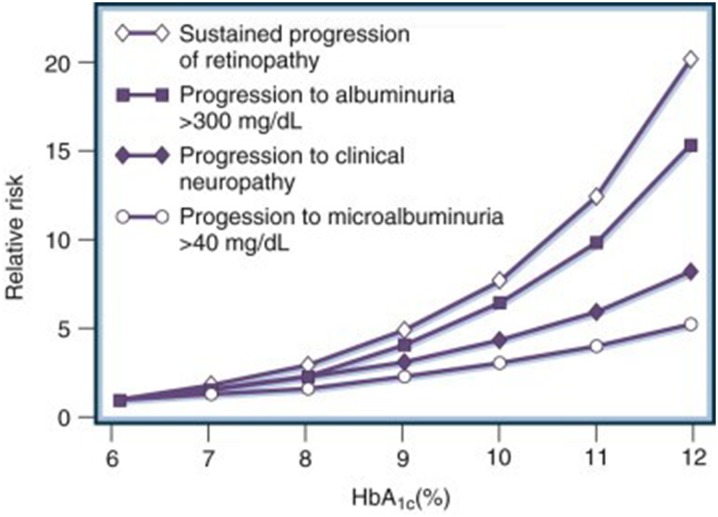
Fig. 1
Fig. 1
Relative risks for the development of diabetic complications at different mean levels of glycosylated hemoglobin (HbA1c). Reproduced with permission from Elsevier. Skyler JS (1996) Diabetic complications: the importance of glucose control. Endocrinol Metab Clin North Am 25(2):243–254. https://www.sciencedirect.com/journal/endocrinology-and-metabolism-clinics-of-north-america
Fig. 2
Fig. 2
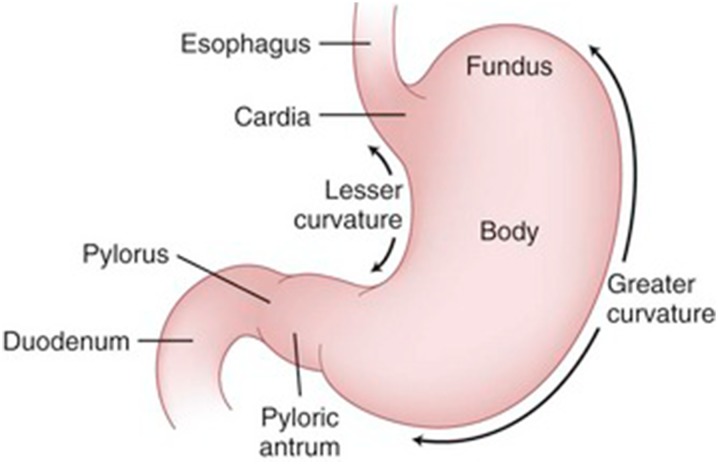
This figure was originally published in Shackelford’s surgery of the alimentary tract, ed. 6, Philadelphia, Charles J. Yeo (2007)
Fig. 3
Fig. 3
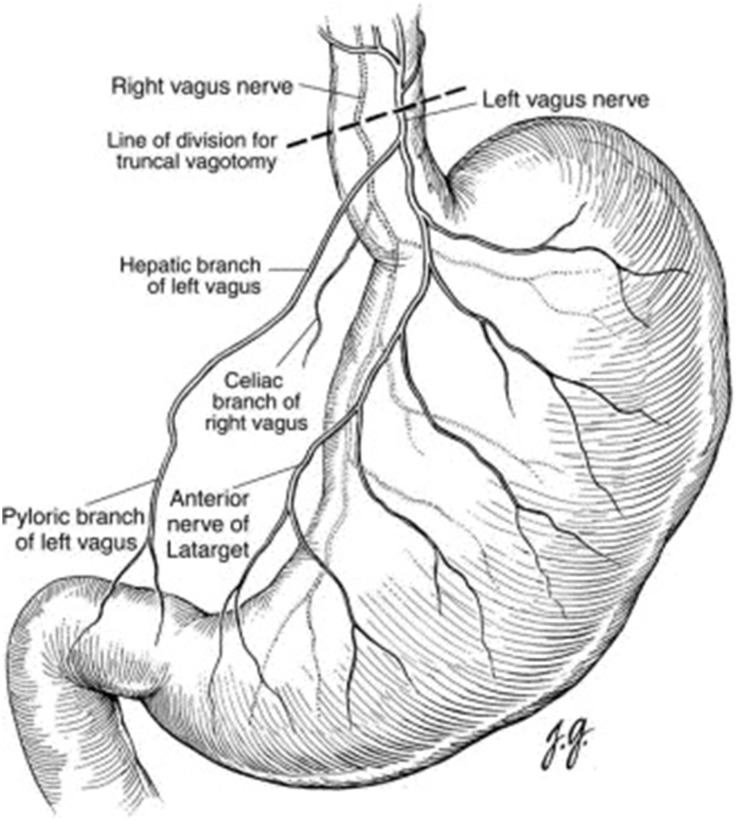
Parasympathetic nerve supply of the stomach Reprinted with permission from Elsevier (copyright 2003). Mercer DW, Liu TH (2003) Open truncal vagatomy. Oper Tech Gen Surg 5(2):80–85
Fig. 4
Fig. 4
Motor events in normal gastric emptying Reprinted with permission from M Schemann, “Gastrointestinal Motility” web tutorial. http://humanbiology.wzw.tum.de/motvid01/tutorial.pdf. Accessed 26 May 2014
Fig. 5
Fig. 5
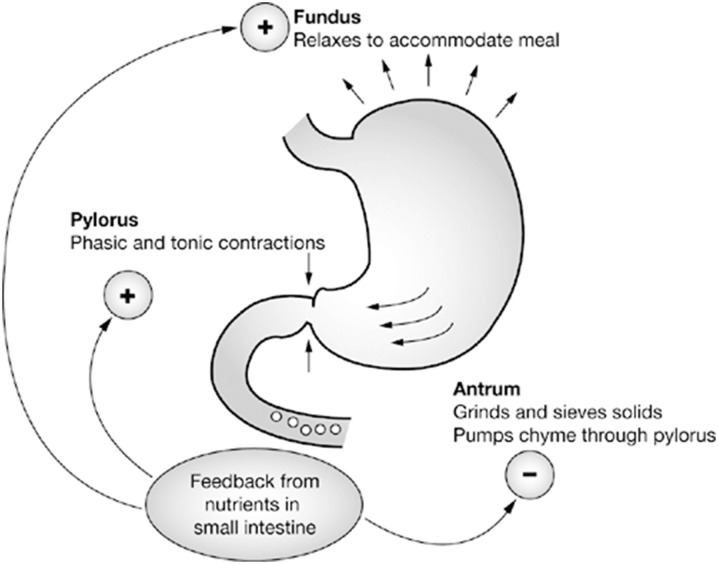
Function of antral pump in gastric emptying Reprinted with permission from M Schemann, “Gastrointestinal Motility” web tutorial. http://humanbiology.wzw.tum.de/motvid01/tutorial.pdf. Accessed 26 May 2014
Fig. 6
Fig. 6
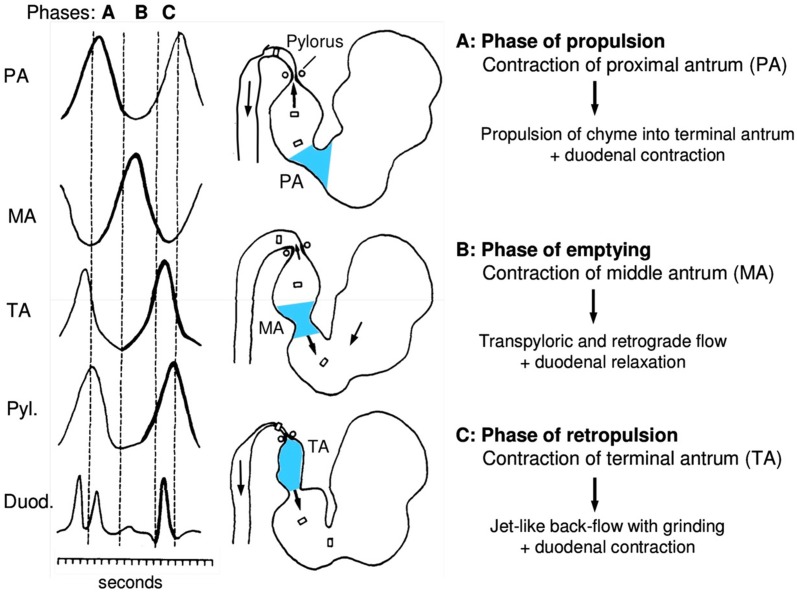
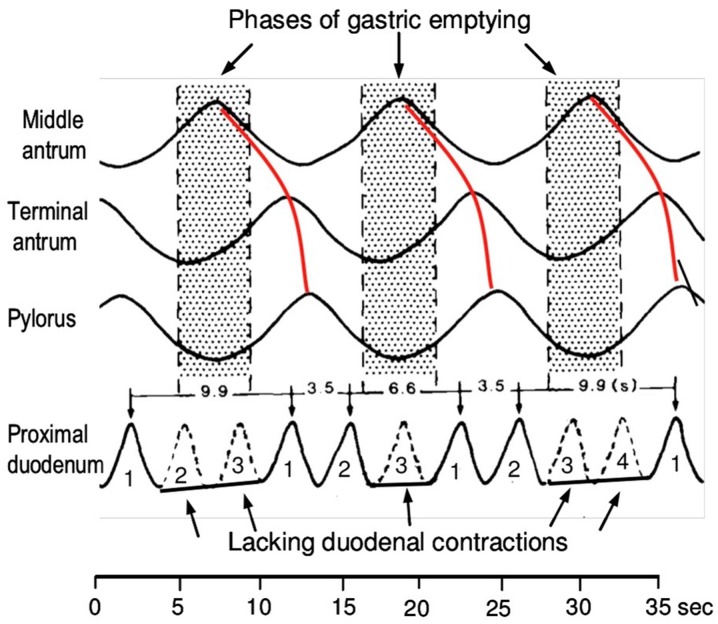
Antroduodenal coordination. A, B, C Phases of gastric emptying. Duod. Duodenum, Pyl. pylorus Reprinted with permission from M Schemann, “Gastrointestinal Motility” web tutorial. http://humanbiology.wzw.tum.de/motvid01/tutorial.pdf. Accessed 26 May 2014
Fig. 7
Fig. 7
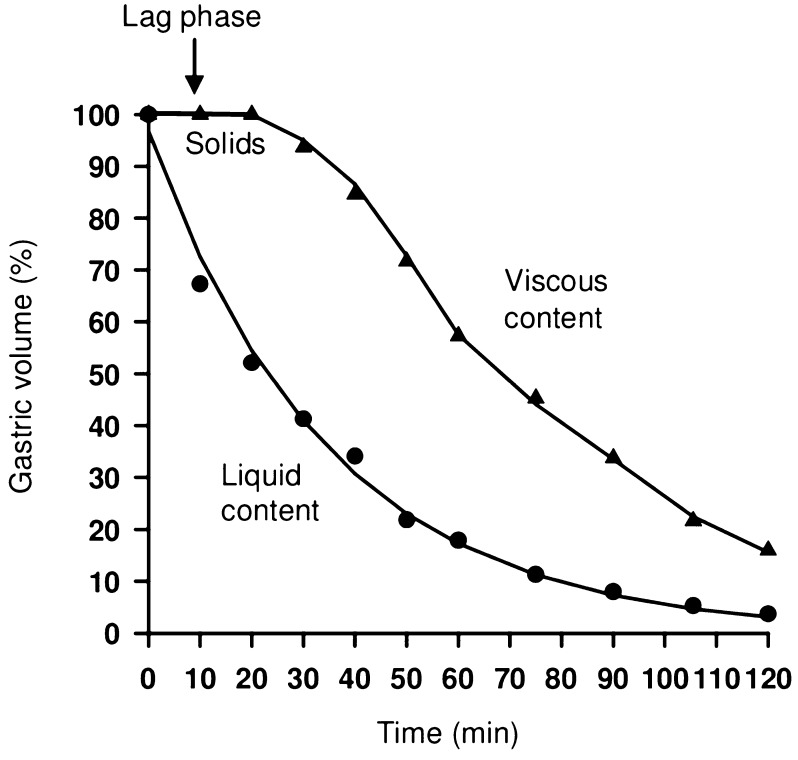
Velocities of emptying of solid and liquid chyme Reprinted with permission from M Schemann, “Gastrointestinal Motility” web tutorial. http://humanbiology.wzw.tum.de/motvid01/tutorial.pdf. Accessed 26 May 2014
Fig. 8
Fig. 8
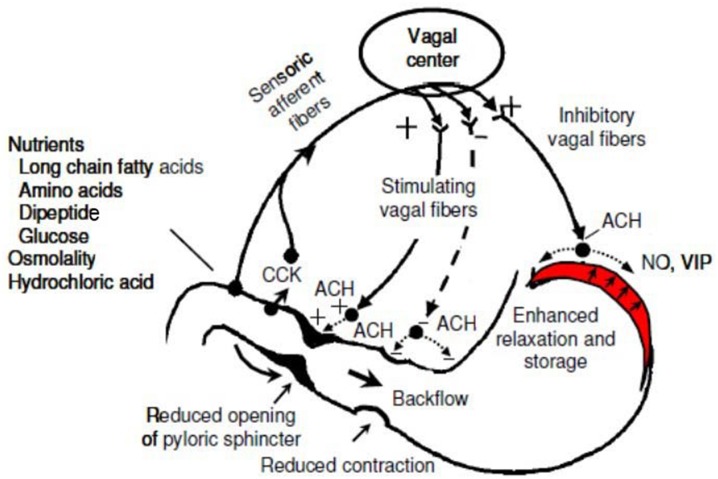
Feedback mechanism of gastric emptying. CCK Cholecystokinin, ACH acetylcholine, VIP vasoactive intestinal peptide, NO nitric oxide Reprinted with permission from M Schemann, “Gastrointestinal Motility” web tutorial. http://humanbiology.wzw.tum.de/motvid01/tutorial.pdf. Accessed 26 May 2014
Fig. 9
Fig. 9
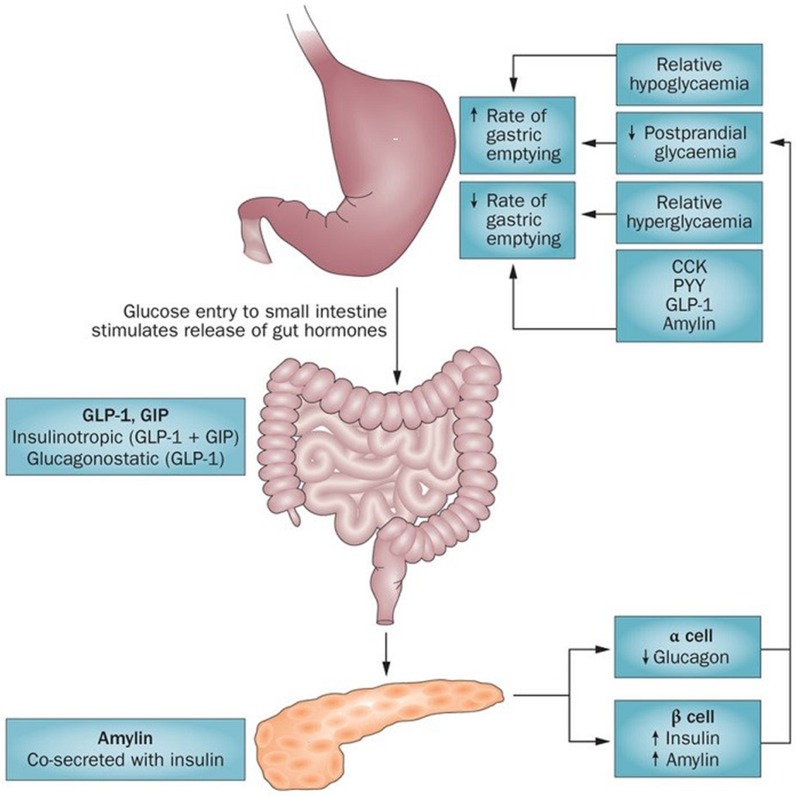
Glucose and gastric emptying: bidirectional relationship. The rate of gastric emptying is a critical determinant of postprandial glycemia. Glucose entry into the small intestine induces a feedback loop via CCK, peptide YY (PYY) and glucagon-like peptide 1 (GLP-1), which are secreted from the intestine in response to nutrient exposure. GLP-1 and gastric inhibitory polypeptide (GIP) induce the release of insulin, and GLP-1 inhibits glucagon secretion, which attenuates postprandial glycemic excursions. Amylin, which is co-secreted with insulin, also slows gastric emptying. At the same time, the blood glucose concentration modulates gastric emptying, such that acute elevations of blood glucose levels slow gastric emptying (effects are evident even within the physiological range) and emptying is accelerated during hypoglycemia Reprinted with permission from Springer Nature. Phillips LK, Deane AM, Jones KL, et al. (2015) Gastric emptying and glycaemia in health and diabetes mellitus. Nat Rev Endocrinol 11(2):112–28
Fig. 10
Fig. 10
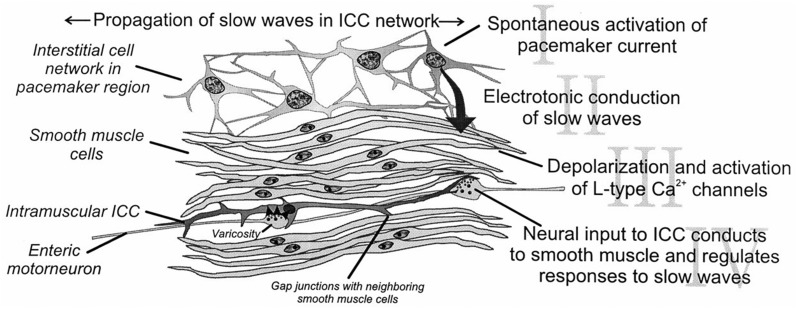
Functions of the ICC. Republished with permission of Annual Reviews, Inc.; permission conveyed through Copyright Clearance Center, Inc. Horowitz B, Ward SM, Sanders KM (1999) Cellular and molecular basis for electrical rhythmicity in gastrointestinal muscles. Annu Rev Physiol 61:19–43 Revisions to figure republished with permission from The American Physiological Society. Sanders KM, Ordog, T, Koh SD, Ward SM (2000) A novel pacemaker mechanism drives gastrointestinal rhythmicity. New Physiol Sci 15(6):291–298
Fig. 11
Fig. 11
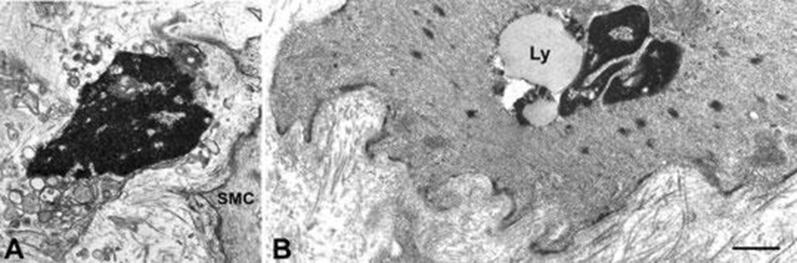
Altered interstitial ICC and smooth muscle in diabetic gastroparesis. a A presumed ICC with apoptotic features: clumps of compacted chromatin filling the entire nucleus, a cytoplasm containing swollen mitochondria and lysosomes. SMC smooth muscle cell. Bar 0.8 μm. b A smooth muscle cell with a large lipofuscin body (Ly) near the nucleus. Basal lamina is patchily thickened and the stroma rich in collagen fibrils. Bar 0.8 μm Reprinted with permission from John Wiley and Sons. Faussone‐Pellegrini MS, Grover M, Pasricha PJ, et al. (2012) Ultrastructural differences between diabetic and idiopathic gastroparesis. J Cell Mol Med 16(7):1573–1581
Fig. 12
Fig. 12
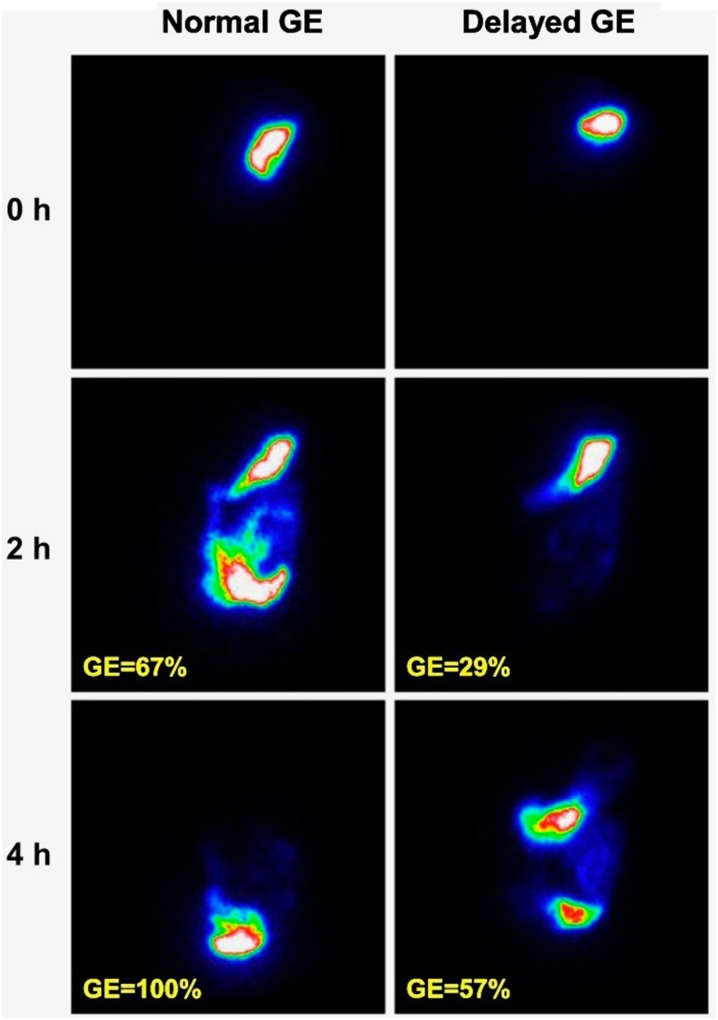
Gastric emptying (GE) scintigraphy showing normal and delayed GE in a patient with type 1 diabetes. The percentage shown is the percentage emptied; the current standard is to list the percentage of radioactivity retention, which would be 100% minus the percentage emptied. Reprinted with permission of the American Diabetes Association, Inc. Copyright 2013
Fig. 13
Fig. 13
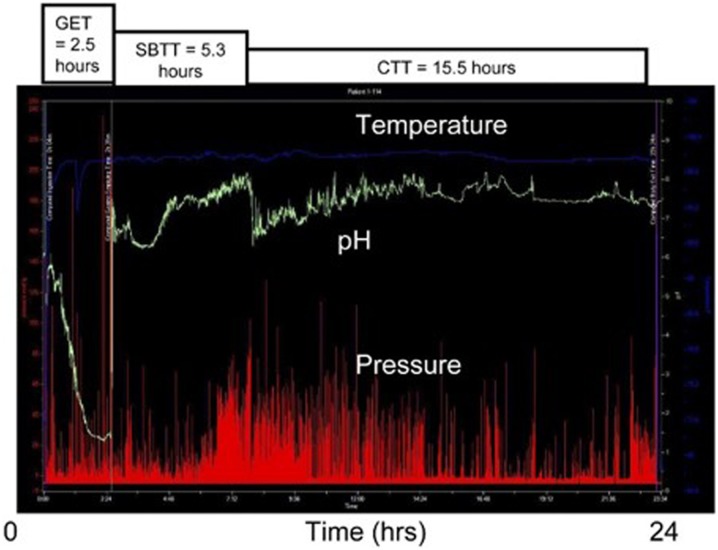
Normal gastrointestinal motility tracing using the wireless motility capsule (WMC). GET Gastric emptying time, SBTT small bowel transit time, CTT colon transit time Reprinted with permission from Elsevier (copyright). Rao SS, Kuo B, McCallum RW, et al. (2009) Investigation of colonic and whole-gut transit with wireless motility capsule and radiopaque markers in constipation. Clin Gastroenterol Hepatol 7(5):537–544
Fig. 14
Fig. 14
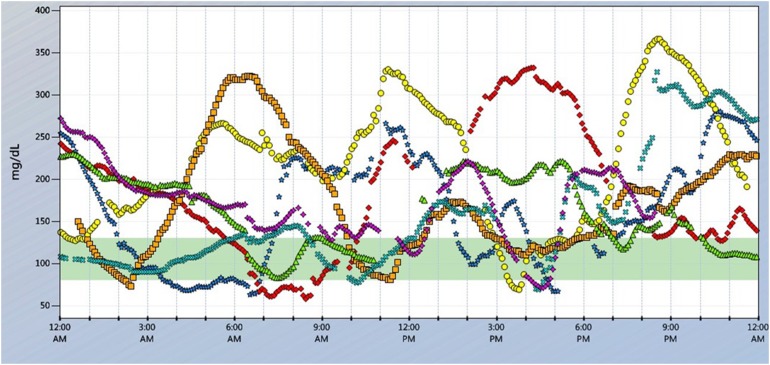
Continuous glucose monitoring system (Dexcom G4 CGM) downloaded from a patient with Type 1 diabetes with diabetic gastroparesis treated with a basal and bolus insulin regimen. The figure shows data for seven 24 hour periods (different color for each of the 7 days). Daily trends show wide glycemic fluctuations (interstitial glucose mg/dl on y-axis), mostly in postprandial state that vary from day to day. Also of note there are significant hypoglycemic events. Courtesy Dr. K. Komorovskiy
Fig. 15
Fig. 15
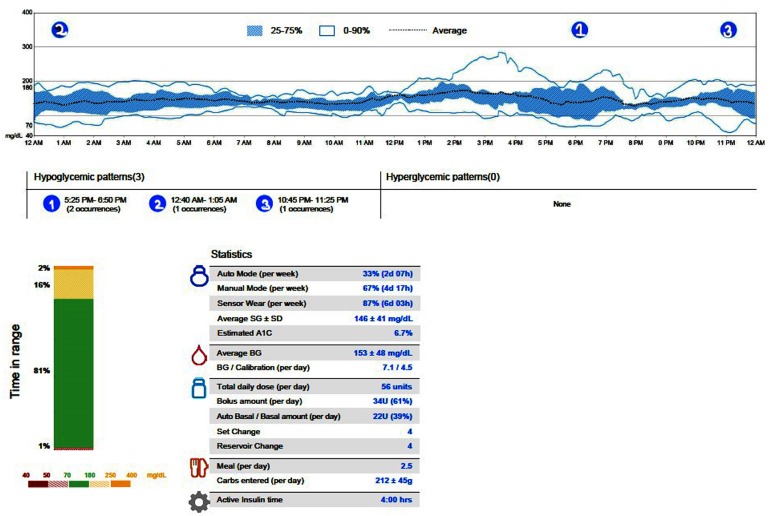
Data downloaded from a continuous glucose monitoring system with automated basal insulin delivery (Medtronic 670G hybrid closed loop) 4 weeks after the initiation of sensor augmented pump therapy in a patient with poorly controlled type 1 diabetes and diabetic autonomic neuropathy, including hypoglycemia unawareness, gastroparesis and status post (s/p) gastric stimulator. The report shows very few hypoglycemic events. Time in range (green) shows a significant stability in glycemic variability with the HbA1c level below 7% while on auto mode (latter controls interprandial insulin delivery based on a built-in algorithm). BG Blood glucose, SG sensor glucose
Fig. 16
Fig. 16
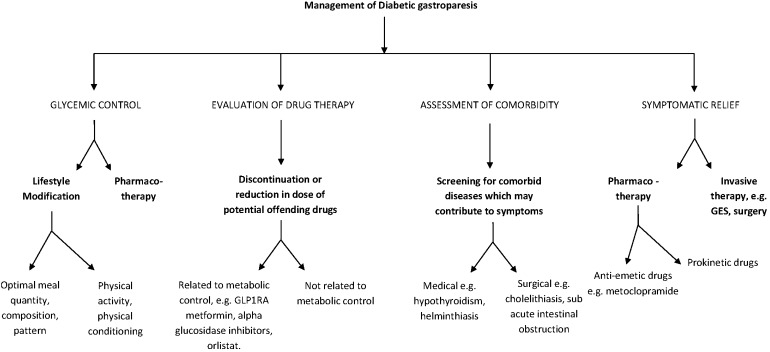
Algorithm for management of diabetic gastroparesis. GES Gastric electric stimulation

References

    1. Kassander P. Asymptomatic gastric retention in diabetics (gastroparesis diabeticorum) Ann Intern Med. 1958;48:797–812. - PubMed
    1. Horowitz M, Harding PE, Maddox AF, et al. Gastric and oesophageal emptying in patients with type 2 (non-insulin-dependent) diabetes mellitus. Diabetologia. 1989;32:151–159. - PubMed
    1. Bekele G, Kabadi UM. Gastro intestinal manifestations of diabetes mellitus. Int J Diabetes Dev Countries. 1996;16:54–58.
    1. Camilleri M, Parkman HP, Shafi MA, et al. Clinical guideline: management of gastroparesis. Am J Gastroenterol. 2013;108:18–37. - PMC - PubMed
    1. Ajumobi AB, Griffin RA. Diabetic gastroparesis: evaluation and management. Hosp Physician. 2008;44:27–35.