


Preweaned heifer management on US dairy operations: Part V. Factors associated with morbidity and mortality in preweaned dairy heifer calves
- PMID: 29935825
- PMCID: PMC7094390
- DOI: 10.3168/jds.2017-14019
Preweaned heifer management on US dairy operations: Part V. Factors associated with morbidity and mortality in preweaned dairy heifer calves
Abstract
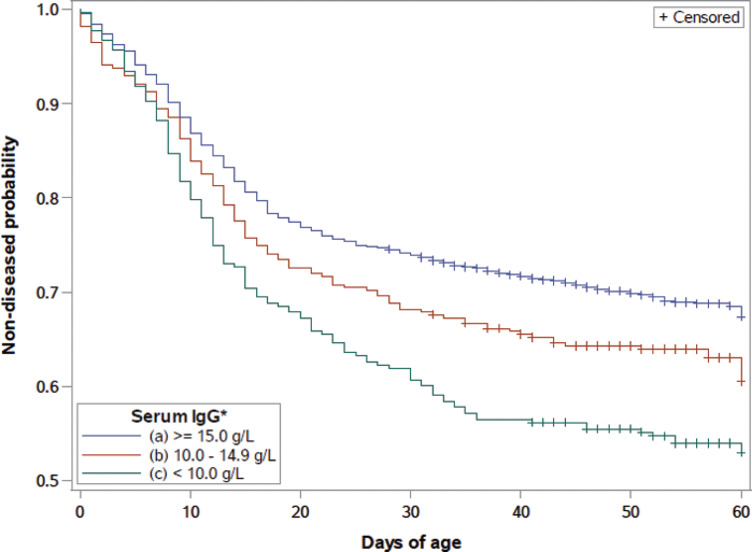
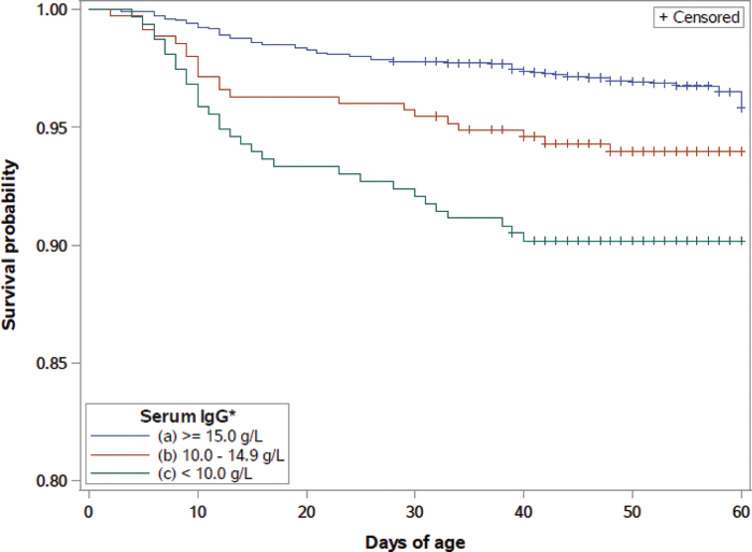
The objective of this study was to evaluate morbidity and mortality in preweaned dairy heifer calves based on different health, feeding, and management practices, as well as environmental factors. This study was conducted as part of the calf component of the National Animal Health Monitoring System's Dairy 2014 study, which included 104 dairy operations in 13 states. The calf component was an 18-mo longitudinal study focused on dairy heifer calves from birth to weaning; data were collected on 2,545 calves. The percentage morbidity for all calves enrolled in the study was 33.9%. Backward elimination model selection was used after univariate screening to determine which management practices and environmental factors significantly affected morbidity and mortality. The final morbidity model included birth weight, serum IgG concentration, ventilation type, and average temperature-humidity index (THI) during the preweaning period. After controlling for other independent variables in the model, calves born at a higher birth weight had a lower predicted risk of morbidity than calves with a lower birth weight. An increase in serum IgG concentration was associated with decreased morbidity. Calves housed in positive- or cross-ventilated systems had a 2.2 times higher odds of developing disease compared with calves housed in natural ventilation systems. Average THI during the preweaning period was inversely correlated with morbidity; as THI increased, the predicted morbidity risk decreased. The percent mortality for all calves enrolled in the study was 5.0%. The final mortality model included birth weight, serum IgG concentration, amount of fat/day in the liquid diet, and morbidity. After controlling for other independent variables in the model, calves born at a higher birth weight had a lower risk of mortality. An increase in serum IgG concentration decreased the risk of mortality. The odds of mortality were 3.1 times higher in calves fed ≤0.15 kg of fat/d in the liquid diet compared with calves fed ≥0.22 kg of fat/d. The odds of mortality were 4.7 times higher in calves that experienced any disease throughout the preweaning period than in calves with no disease. In summary, morbidity and mortality were both associated with birth weight and serum IgG concentration. Additionally, morbidity was associated with ventilation type and average monthly THI, and mortality was associated with amount of fat per day in the liquid diet and morbidity.
Keywords: morbidity; mortality; preweaned calves; treatment.
Copyright © 2018 American Dairy Science Association. Published by Elsevier Inc. All rights reserved.
Figures
References
-
- Appleman R.D., Owen F.G. Breeding, housing, and feeding management. J. Dairy Sci. 1975;58:447–464. doi: 10.3168/jds.S0022-0302(75)84588-7. - DOI
-
- Bauer R., Walter B., Hoppe A., Gaser E., Lampe V., Kauf E., Zwiener U. Body weight distribution and organ size in newborn swine (Sus scrofa domestica)—A study describing an animal model for asymmetrical intrauterine growth retardation. Exp. Toxicol. Pathol. 1998;50:59–65. doi: 10.1016/S0940-2993(98)80071-7. 9570503. - DOI - PubMed
MeSH terms
LinkOut - more resources
Full Text Sources
Other Literature Sources
