. 2018 Sep 6;24(50):13150-13157.
doi: 10.1002/chem.201802880. Epub 2018 Aug 2.

Synthesis of Benzannulated Medium-ring Lactams via a Tandem Oxidative Dearomatization-Ring Expansion Reaction

Affiliations

Synthesis of Benzannulated Medium-ring Lactams via a Tandem Oxidative Dearomatization-Ring Expansion Reaction

Tezcan Guney et al. Chemistry. .

Abstract

Medium-ring natural products exhibit diverse biological activities but such scaffolds are underrepresented in probe and drug discovery efforts due to the limitations of classical macrocyclization reactions. We report herein a tandem oxidative dearomatization-ring-expanding rearomatization (ODRE) reaction that generates benzannulated medium-ring lactams directly from simple bicyclic substrates. The reaction accommodates diverse aryl substrates (haloarenes, aryl ethers, aryl amides, heterocycles) and strategic incorporation of a bridgehead alcohol generates a versatile ketone moiety in the products amenable to downstream modifications. Cheminformatic analysis indicates that these medium rings access regions of chemical space that overlap with related natural products and are distinct from synthetic drugs, setting the stage for their use in discovery screening against novel biological targets.

Keywords: medium ring; oxidative dearomatization; ring expansion; tandem reaction; umpolung.


Figures

Figure 1.
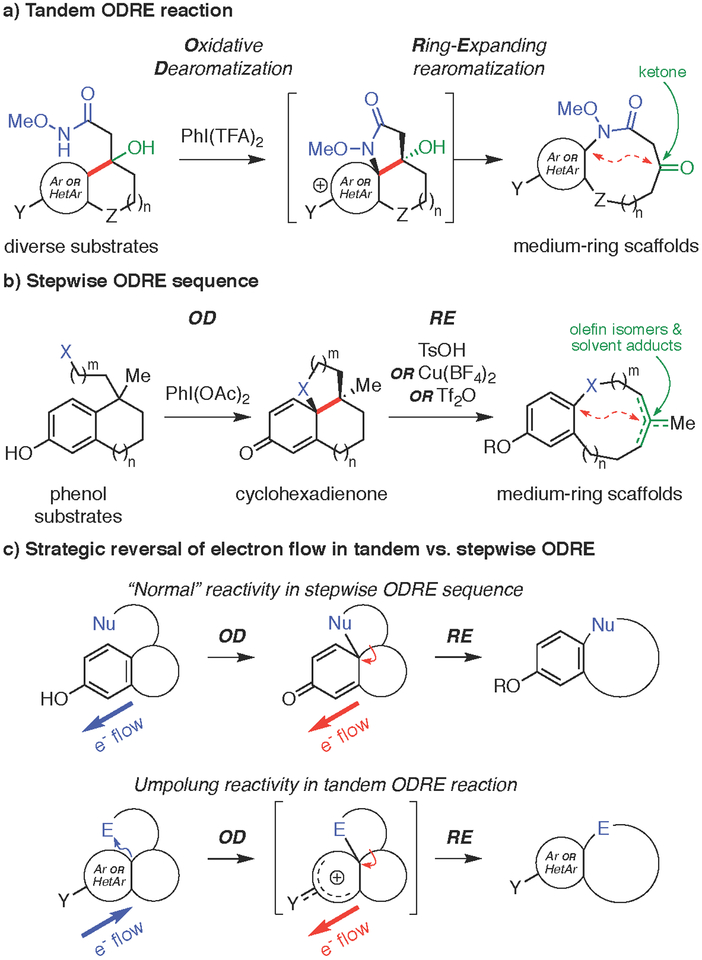
Figure 1.. Oxidative dearomatization-ring-expanding re aromatization (ODRE) approaches to medium ring synthesis.
(a) Tandem ODRE provides medium-ring scaffolds from bicyclic substrates having an electron-rich aromatic ring. (b) Stepwise ODRE sequence is limited to phenol substrates and provides mixtures of products. (c) Umpolung reversal of electron flow enables new tandem ODRE reaction.
Figure 2.
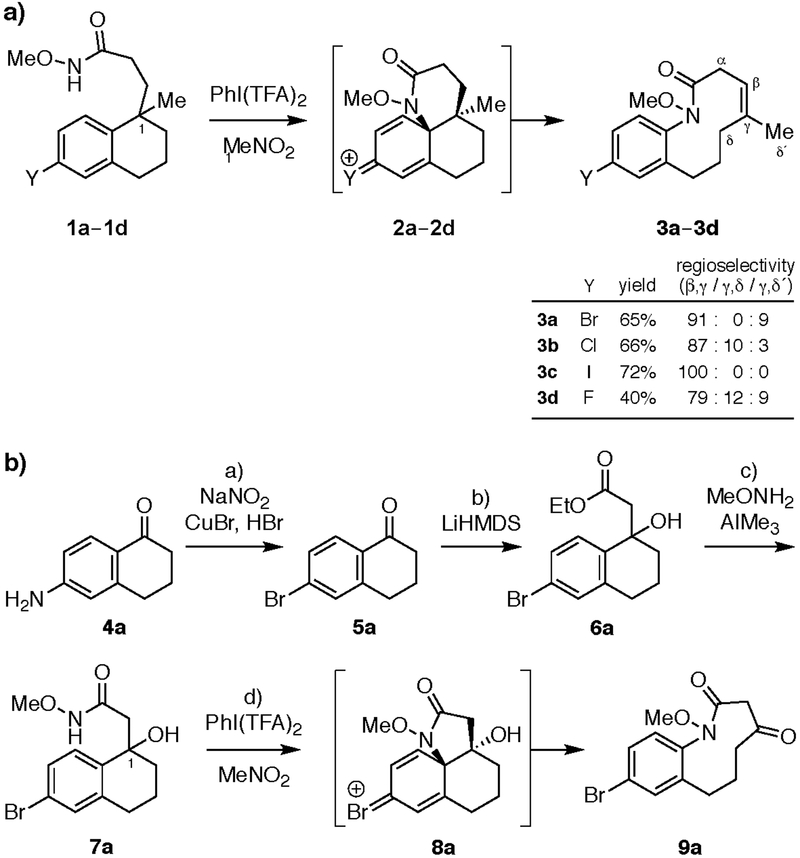
Figure 2.. Tandem ODRE reactions of haloaromatic substrates to form medium-ring lactam products.
(a) Synthesis of 10-membered ring haloaromatics 3a–d (major isomer shown). Reagents and conditions: PhI(TFA)2 (2.0 equiv), MeNO2, 0 °C to 24 °C, 14 h. (b) Synthesis of 9- membered ketolactam 9a. Reagents and conditions: a) NaNO2 (1.1 equiv),CuBr (2.2 equiv), HBr (aq), 85%. b) LiHMDS (3.0 equiv), EtOAc (3.0 equiv), THF, –78 °C, 3 h, 93%. c) AlMe3 (3.0 equiv), NH2(OMe)・HCl (3.0 equiv), THF, 0 °C to 24 °C, 16 h, 96%. d) PhI(TFA)2 (1.5 equiv), MeNO2, 0 °C to 24 °C, 1 h, 73%. HMDS = hexamethyldisilazide; TFA = trifluoroacetate; THF = tetrahydrofuran.
Figure 3.
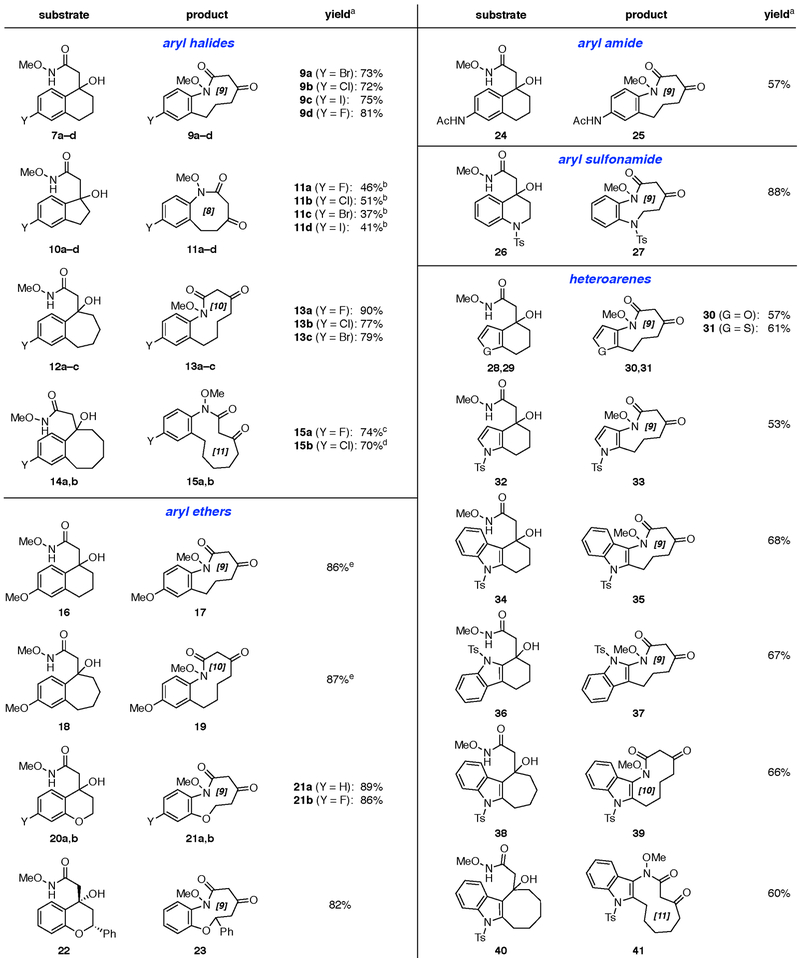
Figure 3.. Scope of tandem ODRE reaction.
a Reagents and conditions: PhI(TFA)2 (1.0—1.5 equiv), M eNO2 , 0 °C to 24 °C, 0.5 −2 h. bRemainder indene byproducts resulting from dehydration of 10a -d and unidentified side products, based on 1H-NMR analysis of crude product. cIsolated as a mixture of amide rotamers (3:2 E/Z). dIsolated as a mixture of amide rotamers (2:1 E/Z). eReaction performed in MeOH at 0 °C.
Figure 4.
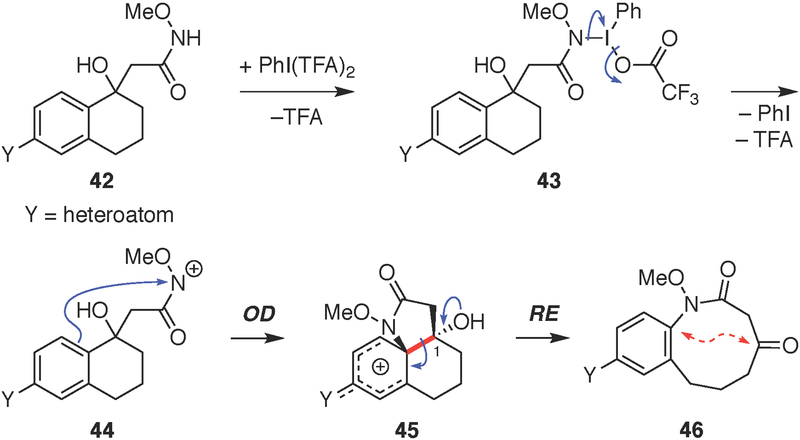
Figure 4.. Proposed mechanism of tandem ODRE reaction.
Figure 5.
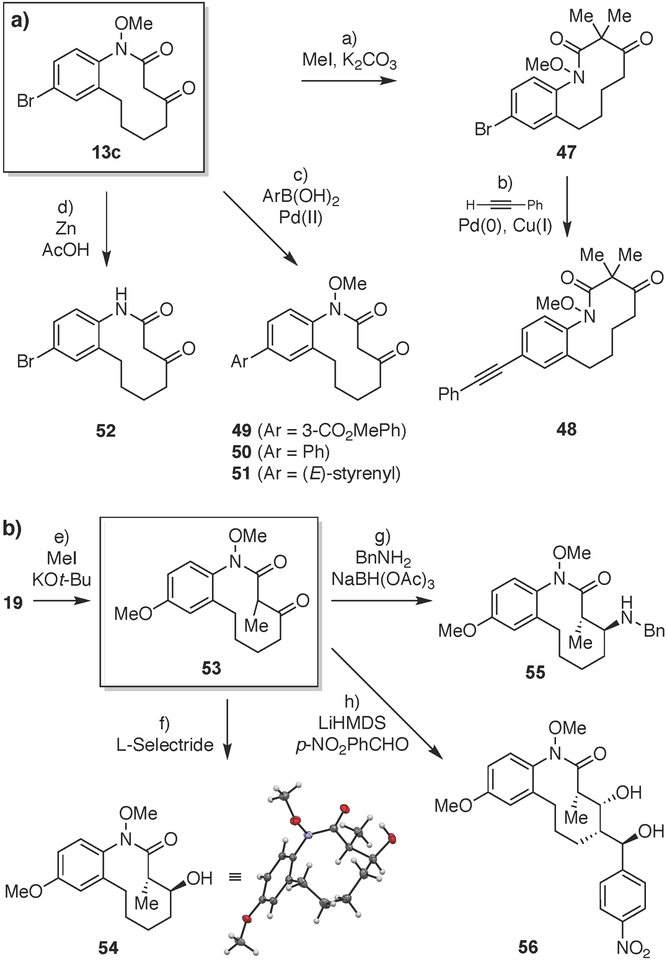
Figure 5.. Downstream modification reactions of medium-ring scaffolds 13c and 53.
Reagents and conditions: a) Mel (4.0 equiv), K2CO3 (4.0 equiv), DMF, 24 °C, 48 h, 68%. b) phenylacetylene (10.0 equiv), Pd(PPh3)4 (20 mol%), Cul (25 mol%), Et3 N, DMF, 60 °C, 16 h, 65%. c) ArB(OH)2 (1.1 equiv), Pd(OAc)2 (20 mol%), K2CO3 (2.5 equiv), TBAB (1.1 equiv), H2O, 70 °C, 2 h, 65–77%. d) Zn (40.0 equiv), AcOH/H2O (1:1), 24 °C, 24 h, 85%. e) Mel (3.0 equiv), KOt-Bu (1.05 equiv), THF, 0 °C, 4 h, 72%. f) L-Selectride (2.0 equiv), THF, 0 °C to 24 °C, 3 h. 94%, >99:1 dr anti/syn. g) BnNH2 (1.1 equiv), AcOH (1.0 equiv), 4A MS, toluene, 90 °C, 2 h, then NaBH(OAc)3 (4.0 equiv), DCE, 24 °C, 16 h, 76%, 94:6 dr ant//syn. h) LiHMDS (3.0 equiv), THF, −78 °C, 1 h; then p-NO2 PhCHO (2.5 equiv), −78 °C to 24 °C, 16 h, 59%, 99:1 dr. DCE = 1,2-dichloroethane; DMF = N,N-dim ethylform amide; L-Selectride = lithium tri-s-butylborohydride; TBAB = tetrabutylamm onium bromide.

References

    1. Eliel EL, Wilen SH, Stereochemistry of Organic Compounds, John Wiley, New York, 1994.
    1. Hussain A, Yousuf SK, Mukherjee D, RSC Adv. 2014, 4, 43241–43257.
    1. Spring DR, Krishnan S, Schreiber SL, J. Am. Chem. Soc 2000, 122, 5656–5657.
    1. Spring DR, Krishnan S, Blackwell HE, Schreiber SL, J. Am. Chem. Soc 2002, 124, 1354–1363. - PubMed
    1. Krishnan S, Schreiber SL, Org. Lett 2004, 6, 4021–4024. - PubMed

LinkOut - more resources