


Genome data uncover four synergistic key regulators for extremely small body size in horses
- PMID: 29940849
- PMCID: PMC6019228
- DOI: 10.1186/s12864-018-4877-5
Genome data uncover four synergistic key regulators for extremely small body size in horses
Abstract
Background: Miniature size in horses represents an extreme reduction of withers height that originated after domestication. In some breeds, it is a highly desired trait representing a breed- or subtype-specific feature. The genomic changes that emerged due to strong-targeted selection towards this distinct type remain unclear.
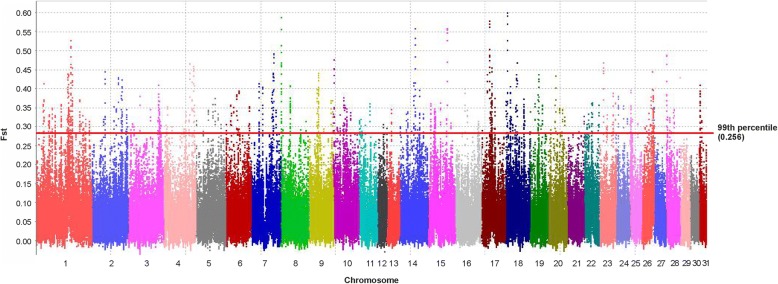
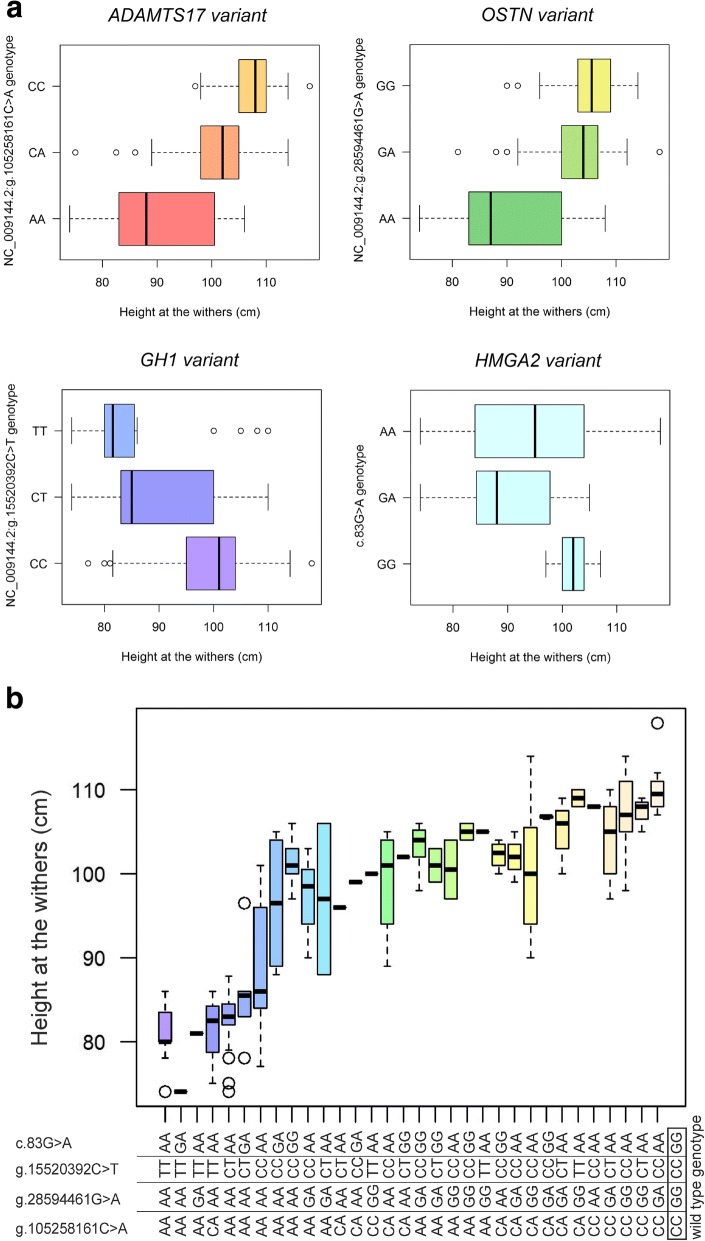
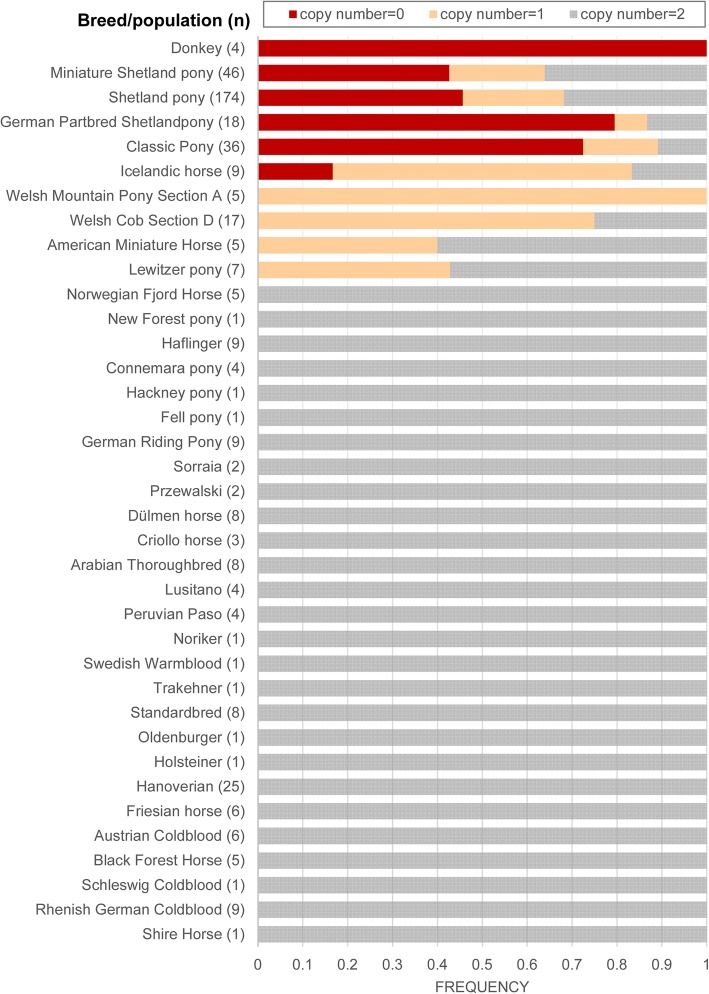
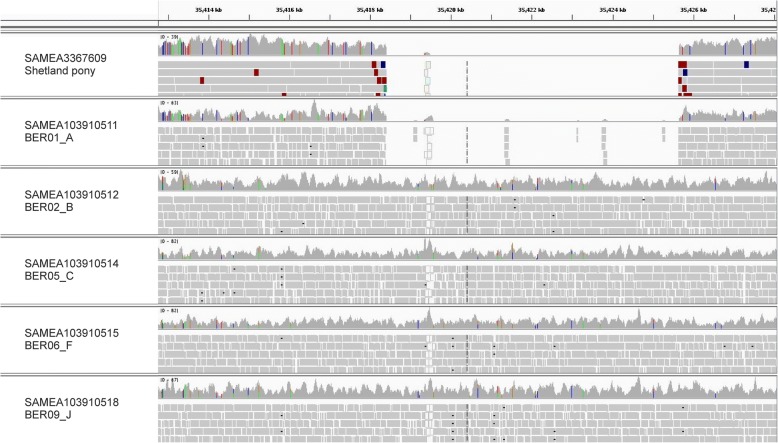
Results: Comparisons of whole-genome sequencing data from two Miniature Shetland ponies and one standard-sized Shetland pony, performed to elucidate genetic determinants for miniature size, revealed four synergistic variants, limiting withers height to 34.25 in. (87 cm). Runs of homozygosity regions were detected spanning these four variants in both the Miniature Shetland ponies and the standard-sized Shetland pony. They were shown to be characteristic of the Shetland pony breed, resulting in a miniature type under specific genotypic combinations. These four genetic variants explained 72% of the size variation among Shetland ponies and related breeds. The length of the homozygous regions indicate that they arose over 1000 years ago. In addition, a copy number variant was identified in DIAPH3 harboring a loss exclusively in ponies and donkeys and thus representing a potential height-associated variant.
Conclusion: This study reveals main drivers for miniature size in horses identified in whole genome data and thus provides relevant candidate genes for extremely short stature in mammals.
Keywords: Body size; Horse; Miniature; Next generation sequencing; Pony; ROH; Synergism.
Conflict of interest statement
Ethics approval
All animal work has been conducted according to the national and international guidelines for animal welfare. The EDTA-blood sampling was approved by the Institutional Animal Care and Use Committee (IACUC), the Lower Saxony state veterinary office at the Niedersächsisches Landesamt für Verbraucherschutz und Lebensmittelsicherheit, Oldenburg, Germany (registration number 33.19–42,502-05-16A042). In addition, hair root sampling of Swedish Shetland ponies was approved by the Ethics Committee for Animal Experiments in Uppsala, Sweden (number C121/14).
Consent for publication
Written informed approval was acquired from the horse owners and breeders to collect samples and measurements for current research, publication and further investigations.
Competing interests
The authors declare that they have no competing interests.
Publisher’s Note
Springer Nature remains neutral with regard to jurisdictional claims in published maps and institutional affiliations.
Figures
References
-
- Millar J, Hickling G. Fasting endurance and the evolution of mammalian body size. Funct Ecol. 1990;4(1):5–12. doi: 10.2307/2389646. - DOI
MeSH terms
LinkOut - more resources
Full Text Sources
Other Literature Sources
