


The Clinical Significance and Potential Role of C-Reactive Protein in Chronic Inflammatory and Neurodegenerative Diseases
- PMID: 29951057
- PMCID: PMC6008573
- DOI: 10.3389/fimmu.2018.01302
The Clinical Significance and Potential Role of C-Reactive Protein in Chronic Inflammatory and Neurodegenerative Diseases
Abstract
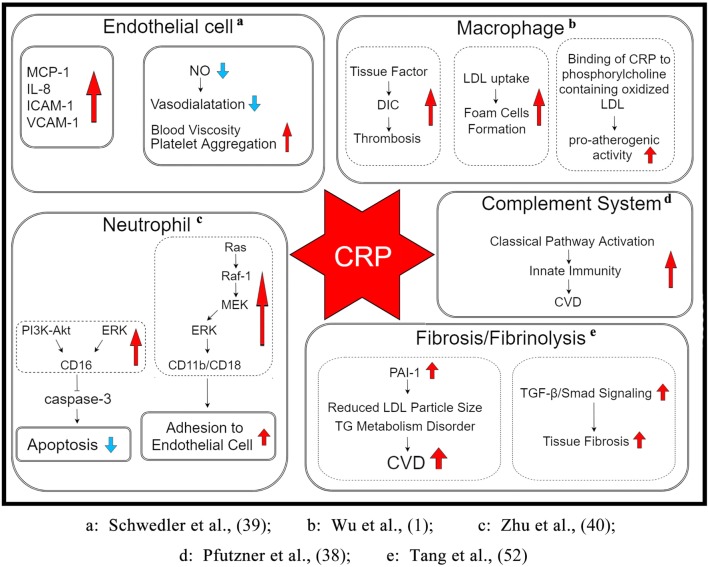
C-reactive protein (CRP) is an acute-phase protein synthesized by hepatocytes in response to pro-inflammatory cytokines during inflammatory/infectious processes. CRP exists in conformationally distinct forms such as the native pentameric CRP and monomeric CRP (mCRP) and may bind to distinct receptors and lipid rafts and exhibit different functional properties. It is known as a biomarker of acute inflammation, but many large-scale prospective studies demonstrate that CRP is also known to be associated with chronic inflammation. This review is focused on discussing the clinical significance of CRP in chronic inflammatory and neurodegenerative diseases, such as cardiovascular disease, type 2 diabetes mellitus, age-related macular degeneration, hemorrhagic stroke, Alzheimer's disease, and Parkinson's disease, including recent advances on the implication of CRP and its forms specifically on the pathogenesis of these diseases. Overall, we highlight the advances in these areas that may be translated into promising measures for the diagnosis and treatment of inflammatory diseases.
Keywords: C-reactive protein; biomarker; cardiovascular disease; chronic inflammation; diabetes.
Figures
References
-
- Cardoso FS, Ricardo LB, Oliveira AM, Horta DV, Papoila AL, Deus JR, et al. C-reactive protein at 24 hours after hospital admission may have relevant prognostic accuracy in acute pancreatitis: a retrospective cohort study. GE Port J Gastroenterol (2015) 22:198–203. 10.1016/j.jpge.2015.03.002 - DOI - PMC - PubMed
Publication types
MeSH terms
Substances
LinkOut - more resources
Full Text Sources
Other Literature Sources
Medical
Research Materials
Miscellaneous
