


Cancer Incidence in Europe: An Ecological Analysis of Nutritional and Other Environmental Factors
- PMID: 29951370
- PMCID: PMC6008386
- DOI: 10.3389/fonc.2018.00151
Cancer Incidence in Europe: An Ecological Analysis of Nutritional and Other Environmental Factors
Abstract
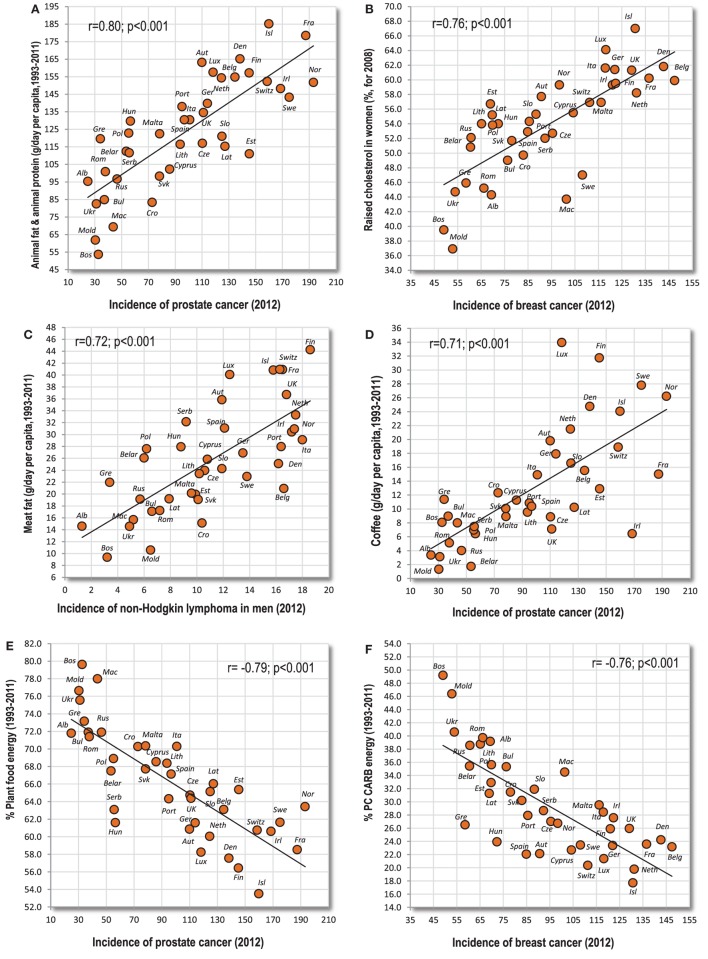
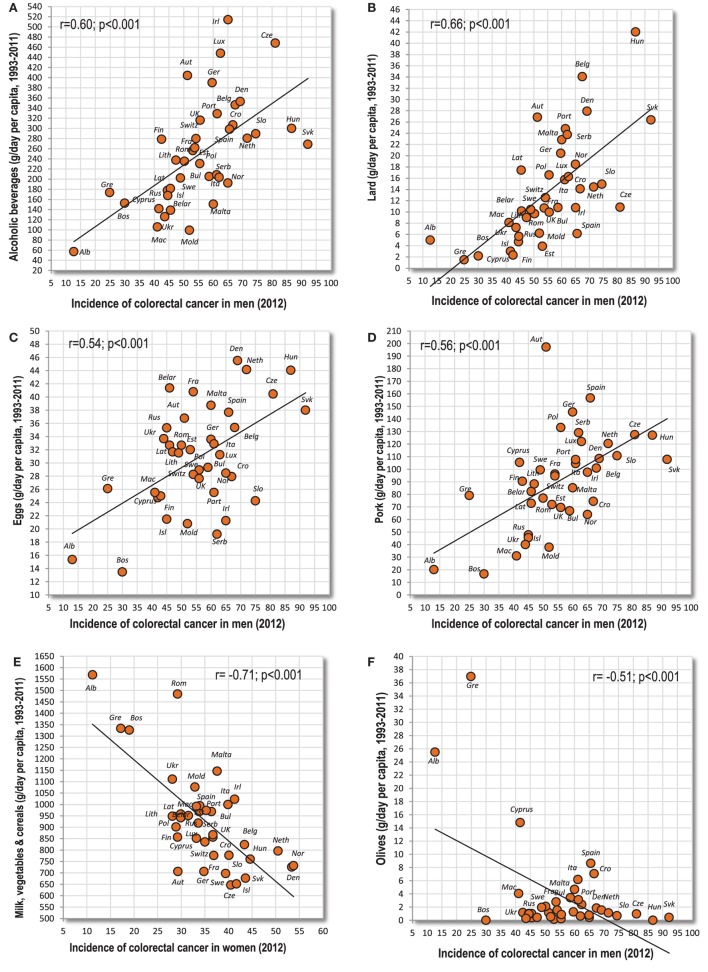
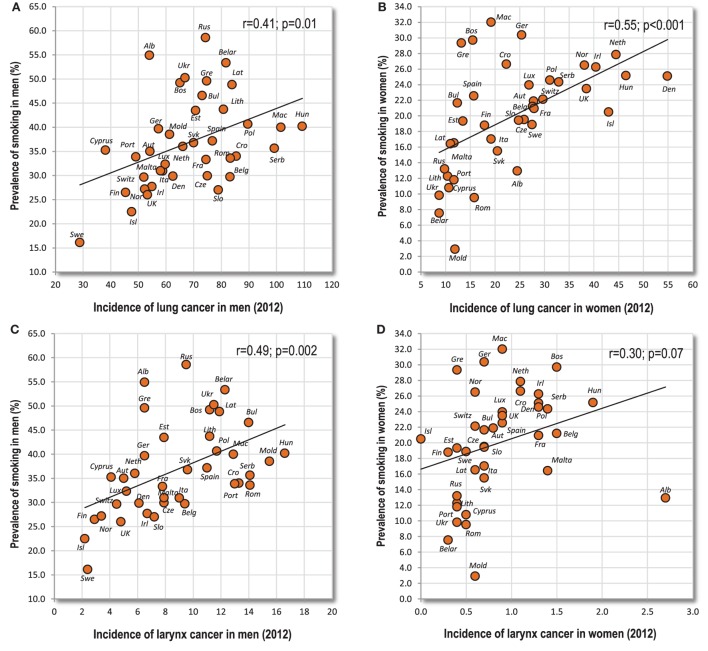
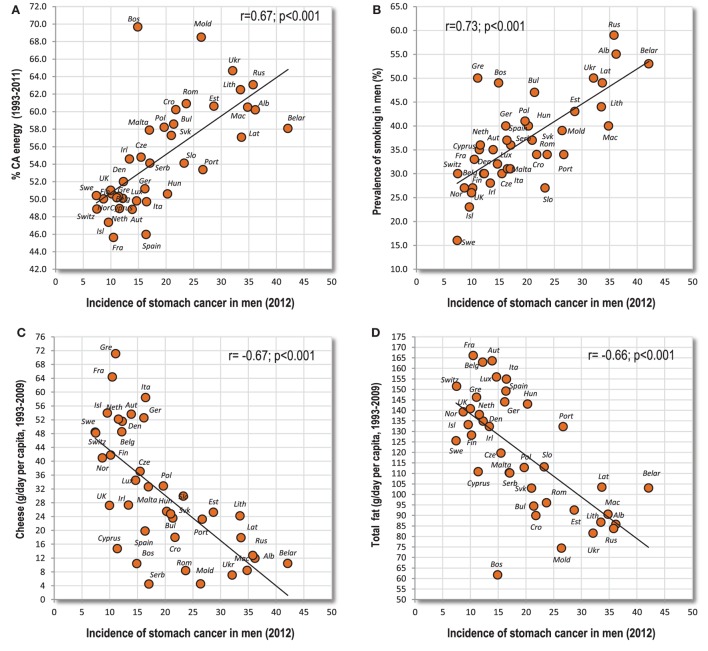
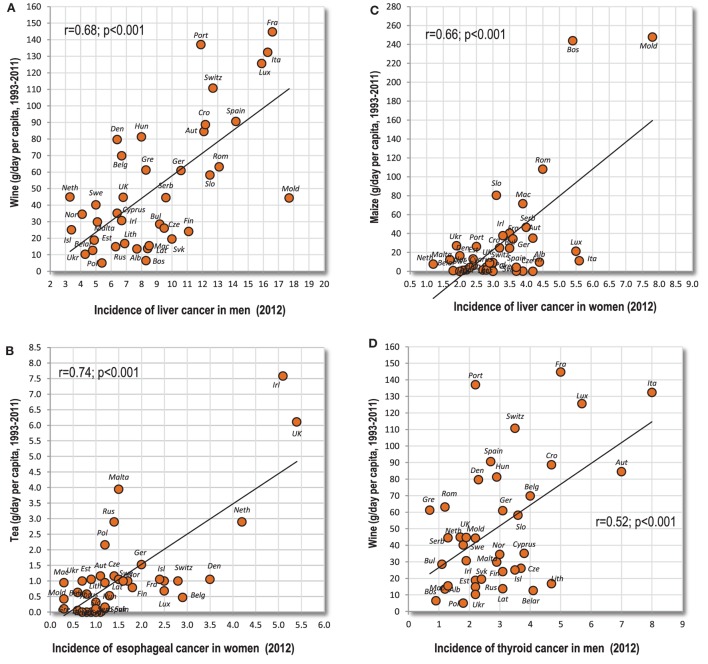
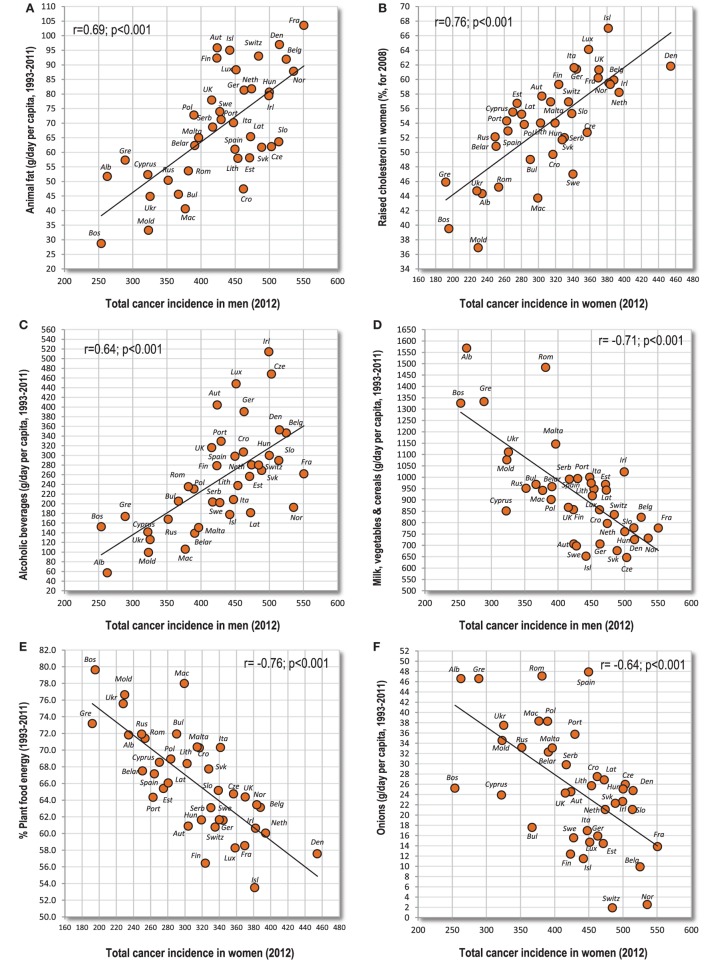
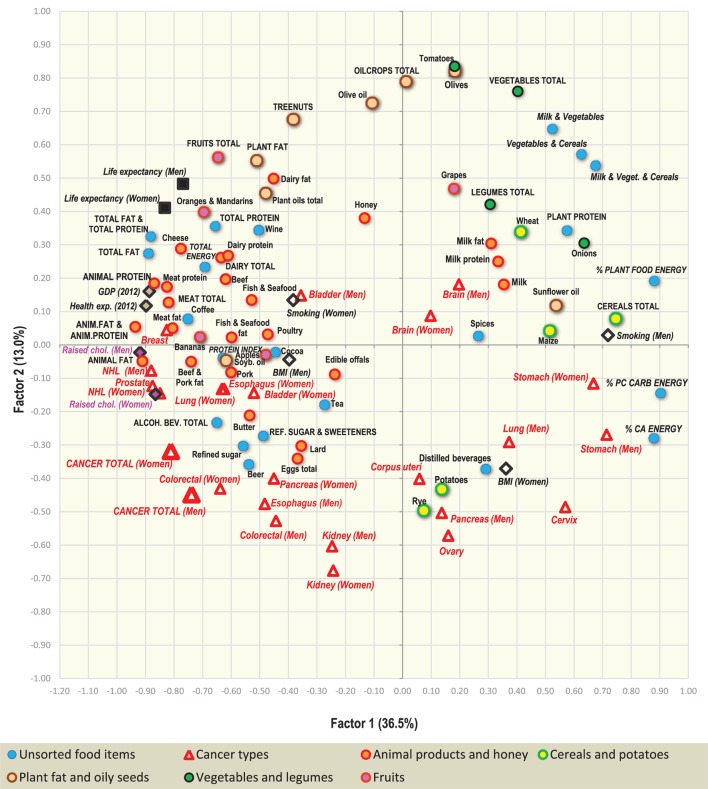
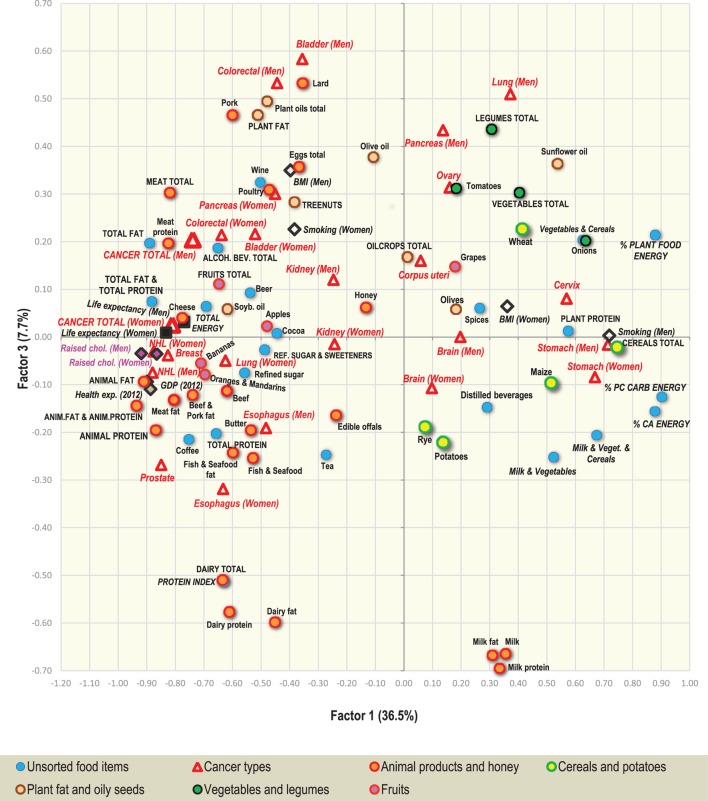
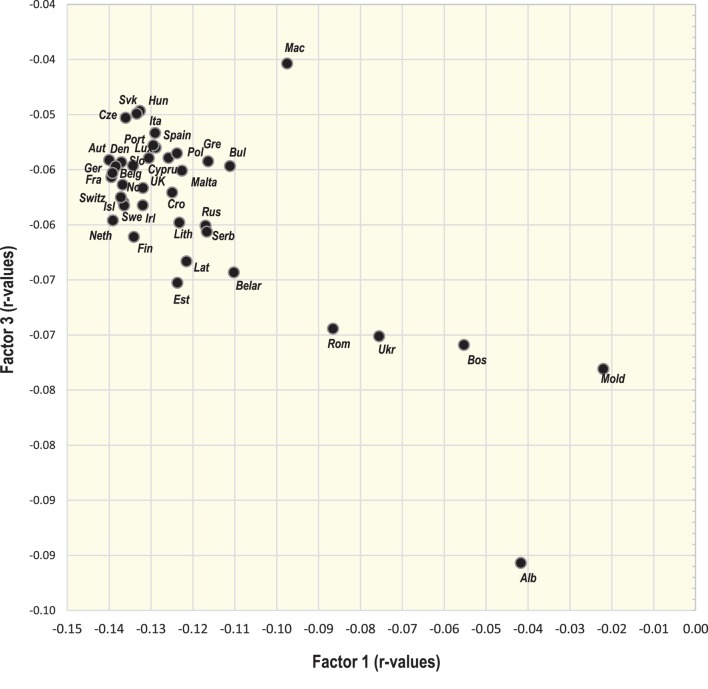
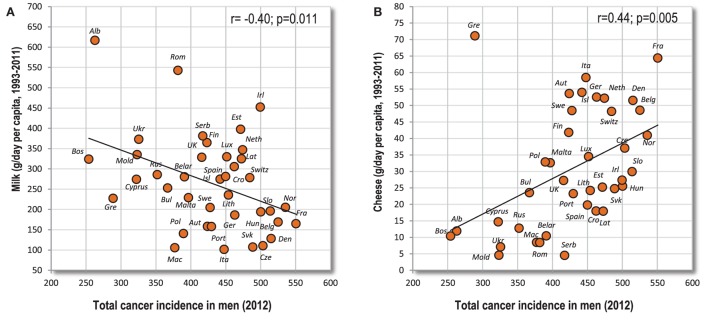
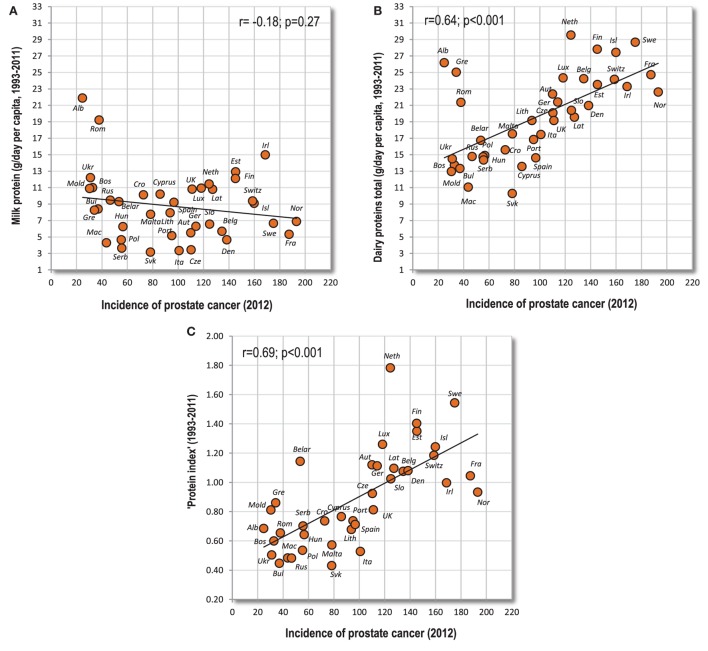
The aim of this work was to offer an ecological alternative to conventional observational studies and identify factors potentially associated with cancer incidence in Europe. The incidence of 24 types of cancer in 39 European countries (2012) was compared with a long-term mean supply of 68 food items from the FAOSTAT database (1993-2011) and some other variables such as smoking, body mass index, raised cholesterol, and socioeconomic indicators. In addition to simple Pearson linear correlations, the data were analyzed via factor analyses and penalized regression methods. This comparison identified two main groups of cancers that are characteristically associated with the same variables. The first group consists of cancers of the prostate, breast, white blood cells, and melanoma. Their incidence increases with rising gross domestic product (GDP) per capita, a prevalence of raised cholesterol and a high intake of animal products. The second group includes primarily cancers of the digestive tract and is most consistently correlated with alcoholic beverages, lard, and eggs. In addition, we found specific correlations between certain variables and some other types of cancer (smoking-lung and larynx cancer; low GDP per capita and high carbohydrate consumption-stomach and cervical cancer; tea drinking-esophageal cancer; maize consumption and wine drinking-liver cancer). The documented findings often remarkably agree with the current scientific consensus, and when combined with evidence based on different methodologies, they can further extend our knowledge of the etiology of cancer. In addition, our study also identifies several foods with possible preventive effects and indicates that various dairy products may markedly differ in their relationship to cancer incidence. All these data can potentially be of fundamental importance for clinical practice and the survival of cancer patients.
Keywords: Europe; cancer; epidemiology; food consumption; nutrition; raised cholesterol; smoking.
Figures
References
-
- Svilaas A, Ström EC, Svilaas T, Borgejordet A, Thoresen M, Ose L. Reproducibility and validity of a short food questionnaire for the assessment of dietary habits. Nutr Metab Cardiovasc Dis (2002) 12:60–70. - PubMed
-
- Wiseman M. The Second World Cancer Research Fund/American Institute for Cancer Research Expert Report. Food, nutrition, physical activity, and the prevention of cancer: a Global Perspective: Nutrition Society and BAPEN Medical Symposium on ‘Nutrition support in cancer therapy’. Proc Nutr Soc (2008) 67:253–6. 10.1017/S002966510800712X - DOI - PubMed
-
- World Cancer Research Fund/American Institute for Cancer Research. Food, Nutrition, Physical Activity, and the Prevention of Cancer: A Global Perspective. Washington, DC: AICR; (2007).
LinkOut - more resources
Full Text Sources
Other Literature Sources
