


Cas1 and Cas2 From the Type II-C CRISPR-Cas System of Riemerella anatipestifer Are Required for Spacer Acquisition
- PMID: 29951376
- PMCID: PMC6008519
- DOI: 10.3389/fcimb.2018.00195
Cas1 and Cas2 From the Type II-C CRISPR-Cas System of Riemerella anatipestifer Are Required for Spacer Acquisition
Abstract
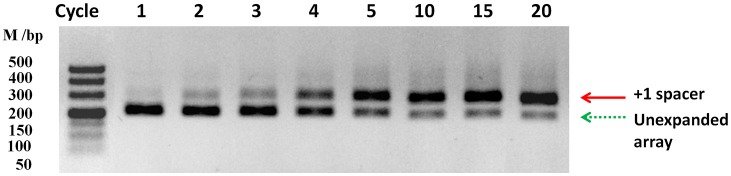
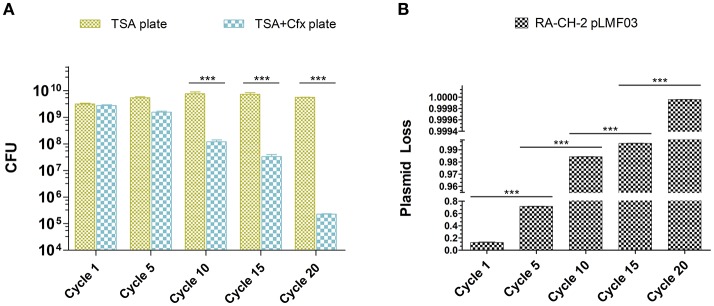
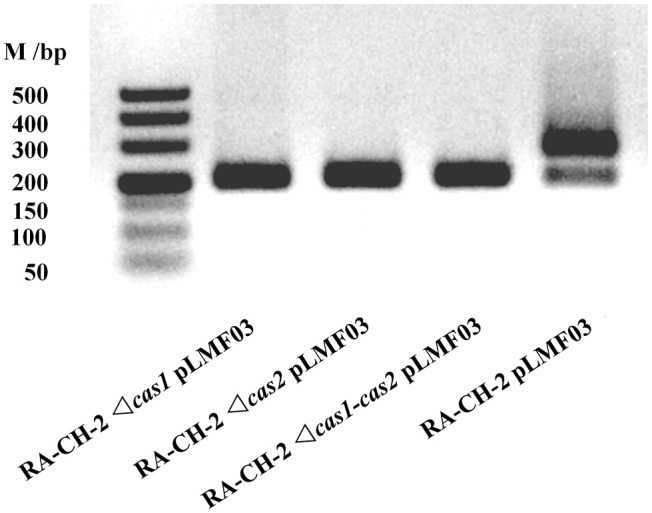
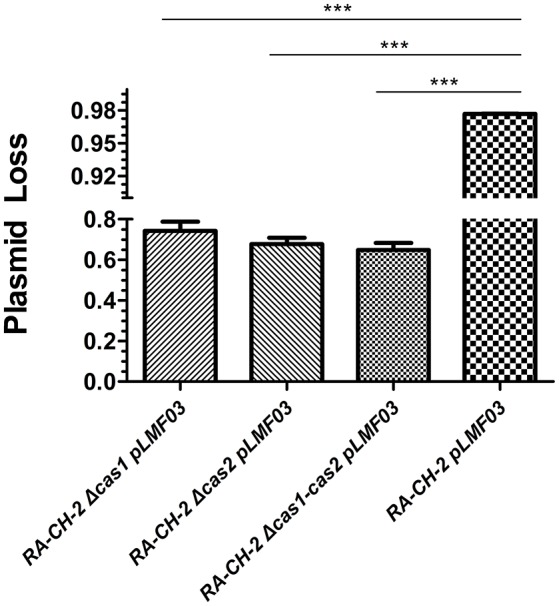
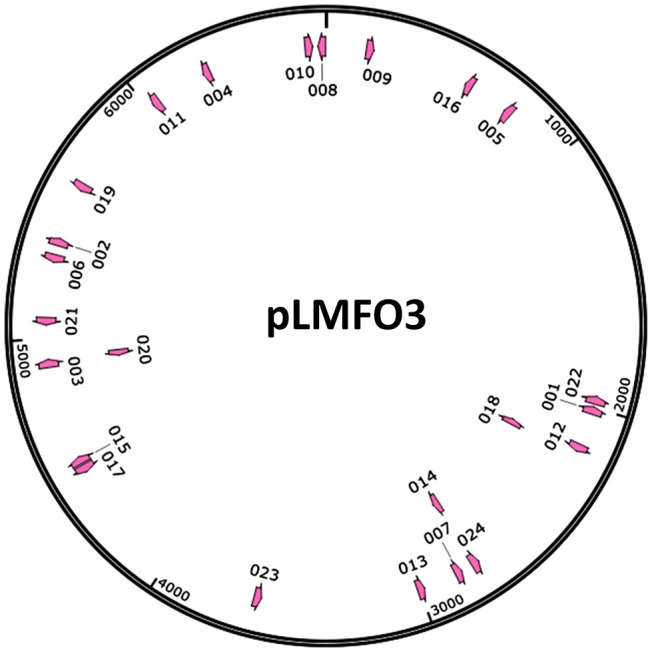
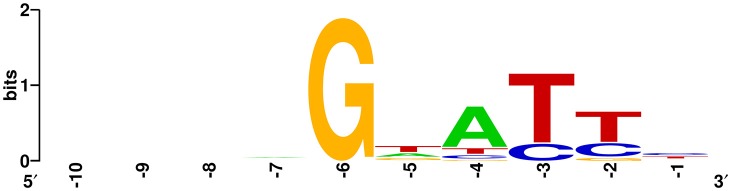
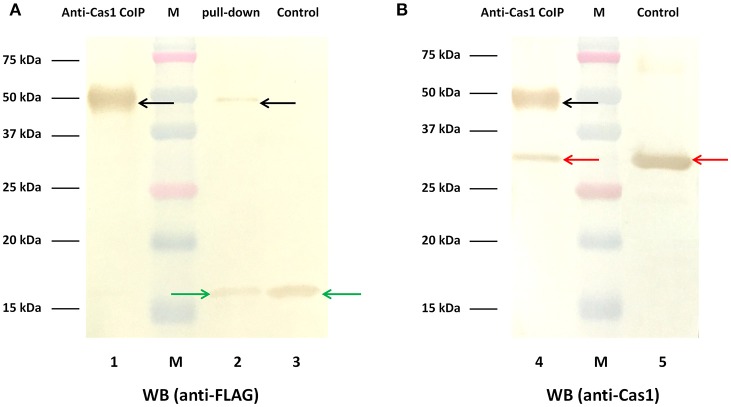
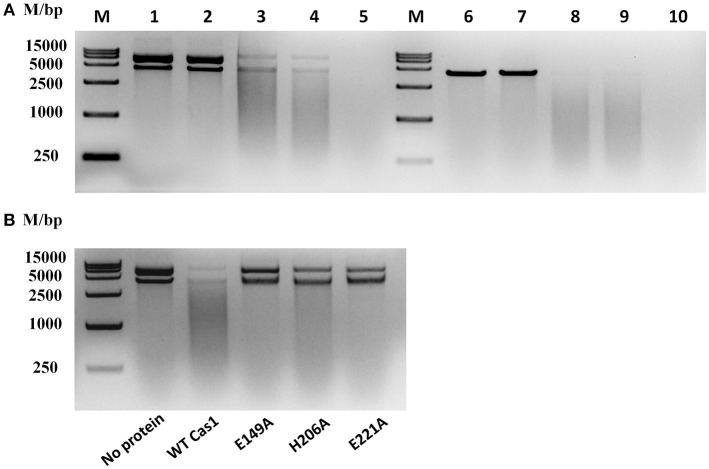
Clustered regularly interspaced short palindromic repeats (CRISPR) and CRISPR-associated (Cas) proteins provide acquired genetic immunity against the entry of mobile genetic elements (MGEs). The immune defense provided by various subtypes of the CRISPR-Cas system has been confirmed and is closely associated with the formation of immunological memory in CRISPR arrays, called CRISPR adaptation or spacer acquisition. However, whether type II-C CRISPR-Cas systems are also involved in spacer acquisition remains largely unknown. This study explores and provides some definitive evidence regarding spacer acquisition of the type II-C CRISPR-Cas system from Riemerella anatipestifer (RA) CH-2 (RA-CH-2). Firstly, introducing an exogenous plasmid into RA-CH-2 triggered spacer acquisition of RA CRISPR-Cas system, and the acquisition of new spacers led to plasmid instability in RA-CH-2. Furthermore, deletion of cas1 or cas2 of RA-CH-2 abrogated spacer acquisition and subsequently stabilized the exogenous plasmid, suggesting that both Cas1 and Cas2 are required for spacer acquisition of RA-CH-2 CRISPR-Cas system, consistent with the reported role of Cas1 and Cas2 in type I-E and II-A systems. Finally, assays for studying Cas1 nuclease activity and the interaction of Cas1 with Cas2 contributed to a better understanding of the adaptation mechanism of RA CRISPR-Cas system. This is the first experimental identification of the naïve adaptation of type II-C CRISPR-Cas system.
Keywords: CRISPR-Cas; Cas1; Cas2; Riemerella anatipestifer; spacer acquisition.
Figures

References
-
- Cheng A., Wang M., Chen X., Zhu D., Huang C., Liu F., et al. (2003). Epidemiology and new serotypes of Riemerella anatipestifer isolated from ducks in China and studies on their pathogenic characteristics. Chinese J. Vet. Sci. 23, 320–323.
Publication types
MeSH terms
Substances
LinkOut - more resources
Full Text Sources
Other Literature Sources
