Tau in neurodegenerative disease
- PMID: 29951497
- PMCID: PMC5994507
- DOI: 10.21037/atm.2018.04.23
Tau in neurodegenerative disease
Abstract
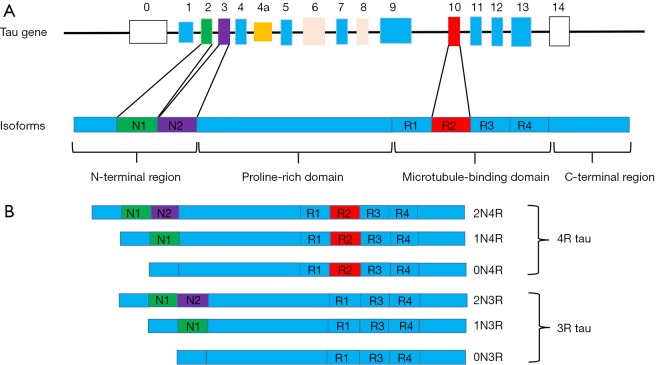
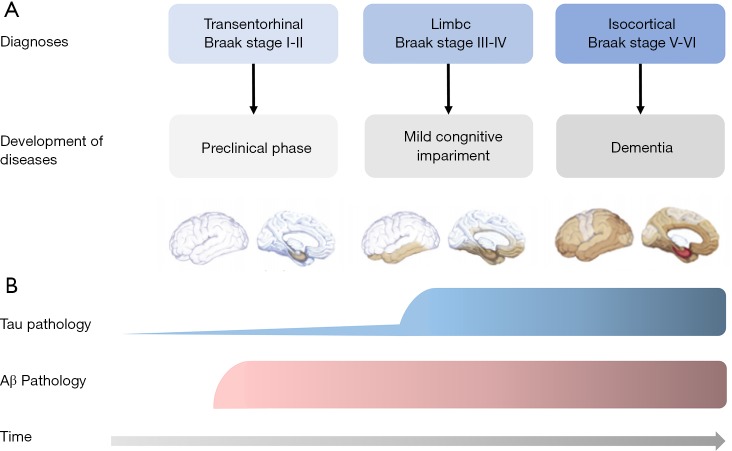
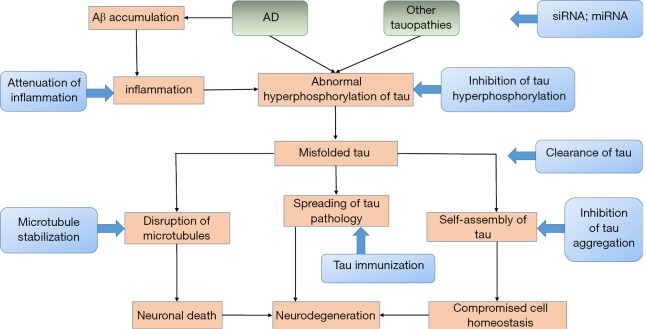
Tau, a microtubule-associated protein, is the main component of the intracellular filamentous inclusions that are involved in neurodegenerative diseases known as tauopathies, including Alzheimer disease (AD), frontotemporal dementia with parkinsonism-17 (FTDP-17), Pick disease (PiD), progressive supranuclear palsy (PSP) and corticobasal degeneration (CBD). Hyperphosphorylated, aggregated tau proteins form the core of neurofibrillary tangles (NFTs), which are shown to be one of the pathological hallmarks of AD. The discovery of mutations in the microtubule-associated protein tau (MAPT) gene in patients with FTDP-17 also contributes to a better understanding of the dysfunctional tau as a cause of diseases. Although recent substantial progress has been made in the tau pathology of tauopathies, the mechanisms underlying tau-induced neurodegeneration remain unclear. Here, we present an overview of the biochemical properties of tau protein and the pathogenesis underlying tau-induced neurodegenerative diseases. Meanwhile, we will discuss the tau-related biomarkers and ongoing tau-targeted strategies for therapeutic modulation.
Keywords: Tau protein; biomarkers; mechanisms; neurodegenerative diseases; therapeutic.
Conflict of interest statement
Conflicts of Interest: The authors have no conflicts of interest to declare.
Figures
References
Publication types
LinkOut - more resources
Full Text Sources
Other Literature Sources
Miscellaneous