


Aberrant expression of p16INK4a in human cancers - a new biomarker?
- PMID: 29951643
- PMCID: PMC6018005
- DOI: 10.15761/CRR.1000145
Aberrant expression of p16INK4a in human cancers - a new biomarker?
Abstract
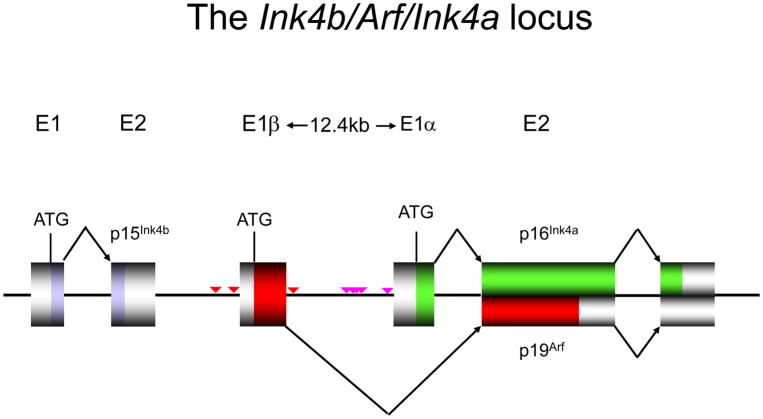
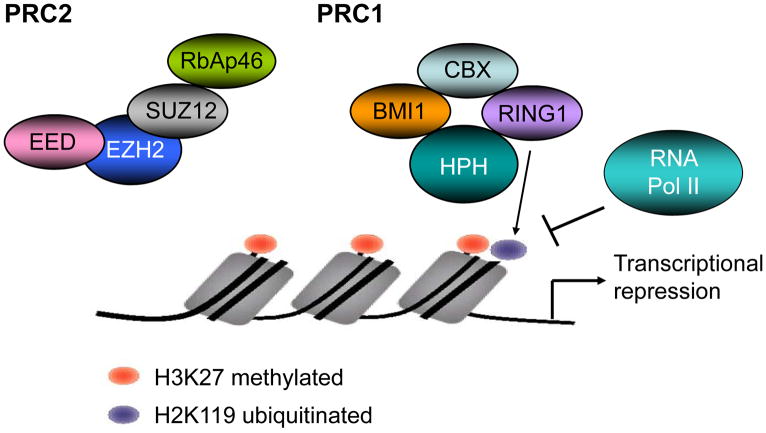
The ARF and INK4a genes are located in the same CDKN2a locus, both showing its tumor suppressive activity. ARF has been shown to detect potentially harmful oncogenic signals, making incipient cancer cells undergo senescence or apoptosis. INK4a, on the other hand, responds to signals from aging in a variety of tissues including islets of Langerhans, neuronal cells, and cancer stem cells in general. It also detects oncogenic signals from incipient cancer cells to induce them senescent to prevent neoplastic transformation. Both of these genes are inactivated by gene deletion, promoter methylation, frame shift, and aberrant splicing although mutations changing the amino acid sequences affect only the latter. Recent studies indicated that polycomb gene products EZH2 and BMI1 repressed p16INK4a expression in primary cells, but not in cells deficient for pRB protein function. It was also reported that that p14ARF inhibits the stability of the p16INK4a protein in human cancer cell lines and mouse embryonic fibroblasts through its interaction with regenerating islet-derived protein 3γ. Overexpression of INK4a is associated with better prognosis of cancer when it is associated with human papilloma virus infection. However, it has a worse prognostic value in other tumors since it is an indicator of pRB loss. The p16INK4a tumor suppressive protein can thus be used as a biomarker to detect early stage cancer cells as well as advanced tumor cells with pRB inactivation since it is not expressed in normal cells.
Keywords: ARF; CDKN2a; DMTF1; PRC; RB; biomarker; cancer; expression; p16INK4a; prognosis.
Conflict of interest statement
Conflicts of Interest The authors declare no conflicts of interest.
Figures
References
Introduction
-
- Maggi LB, Jr, Winkeler CL, Miceli AP, et al. ARF tumor suppression in the nucleolus. Biochim Biophys Acta. 2014;1842:831–39. - PubMed
-
- Quelle DE, Zindy F, Ashmun RA, et al. Alternative reading frames of the INK4a tumor suppressor gene encode two unrelated proteins capable of inducing cell cycle arrest. Cell. 1995;83:993–1000. - PubMed
-
- Gil J, Peters G. Regulation of the INK4b-ARF-INK4a tumour suppressor locus: all for one or one for all. Nat Rev Mol Cell Biol. 2006;7:667–77. - PubMed
INK4a
-
- Dai CY, Furth EE, Mick R, et al. p16(INK4a) expression begins early in human colon neoplasia and correlates inversely with markers of cell proliferation. Gastroenterol. 2000;119:929–42. - PubMed
-
- Milde-Langosch K, Bamberger AM, Rieck G, et al. Overexpression of the p16 cell cycle inhibitor in breast cancer is associated with a more malignant phenotype. Breast Cancer Res Treat. 2001;67:61–70. - PubMed
-
- Di Vinci A, Perdelli L, Banelli B, et al. p16(INK4a) promoter methylation and protein expression in breast fibroadenoma and carcinoma. Int J Cancer. 2005;114:414–21. - PubMed
Grants and funding
LinkOut - more resources
Full Text Sources
Other Literature Sources
Research Materials
Miscellaneous