


New tricks for an ancient system: Physiological and pathological roles of complement in the CNS
- PMID: 29958698
- PMCID: PMC6478444
- DOI: 10.1016/j.molimm.2018.06.264
New tricks for an ancient system: Physiological and pathological roles of complement in the CNS
Abstract
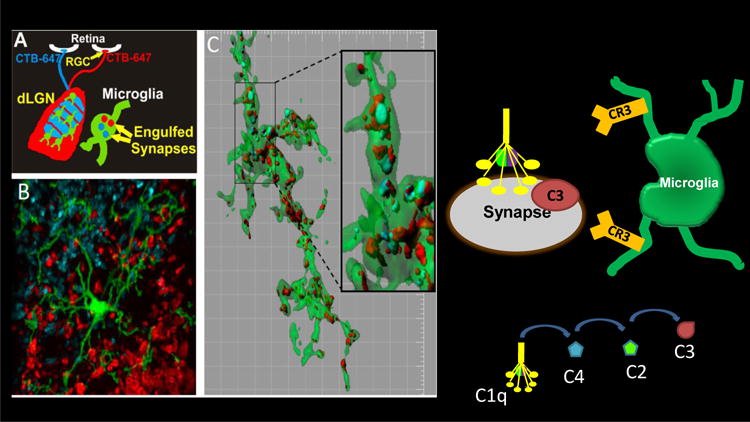
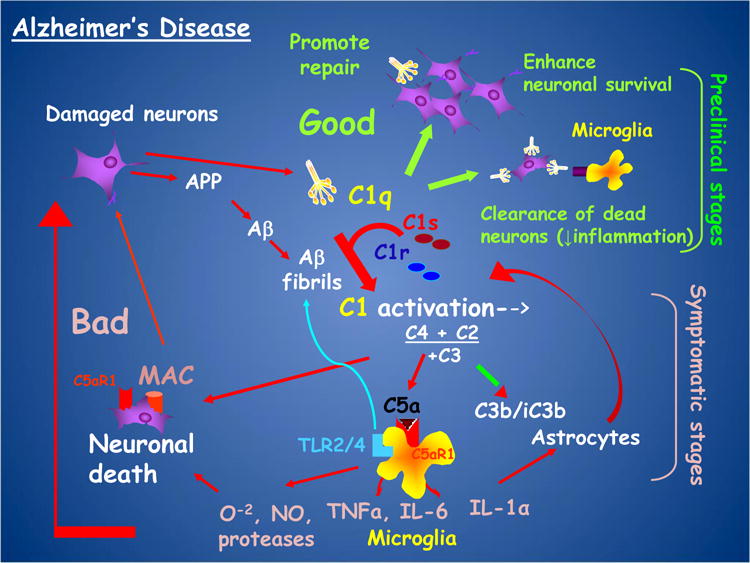
While the mechanisms underlying the functions of the complement system in the central nervous system (CNS) and systemically, namely opsonization, chemotaxis, membrane lysis, and regulation of inflammation are the same, the plethora of functions that complement orchestrates in the central nervous system (CNS) is complex. Strictly controlled expression of complement effector molecules, regulators and receptors across the gamut of life stages (embryogenesis, development and maturation, aging and disease) dictate fascinating contributions for this ancient system. Furthermore, it is becoming apparent that complement functions differ widely across distinct brain regions. This review provides a comprehensive overview of the newly identified roles for complement in the brain, including its roles in CNS development and function, during aging and in the processes of neurodegeneration. The diversity and selectively of beneficial and detrimental activities of complement, while challenging, should lead to precision targeting of specific components to provide disease modifying treatments for devastating psychiatric and neurodegenerative disorders that are still without effective treatment.
Keywords: C1q; C5a; Complement; Neurodegeneration; Neurodevelopment; Synapse pruning.
Crown Copyright © 2018. Published by Elsevier Ltd. All rights reserved.
Conflict of interest statement
BS is on the scientific advisory board of Annexon, Inc., a new company that will develop therapeutics for neurological diseases. The authors report no other conflict of interest.
Figures
References
-
- Coulthard LG, Hawksworth OA, Woodruff TM. Complement: The Emerging Architect of the Developing Brain. Trends Neurosci. 2018 - PubMed
Publication types
MeSH terms
Substances
Grants and funding
LinkOut - more resources
Full Text Sources
Other Literature Sources
