


Inflammatory mediators reduce surface PrPc on human BMVEC resulting in decreased barrier integrity
- PMID: 29959417
- PMCID: PMC6163073
- DOI: 10.1038/s41374-018-0090-z
Inflammatory mediators reduce surface PrPc on human BMVEC resulting in decreased barrier integrity
Abstract
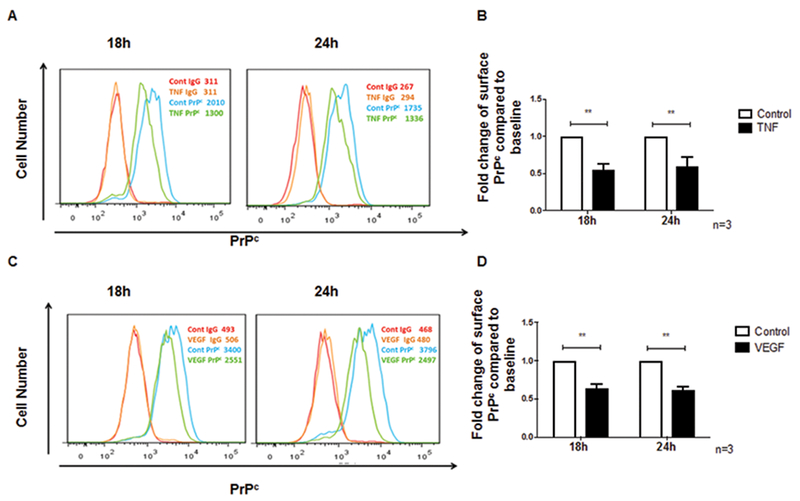
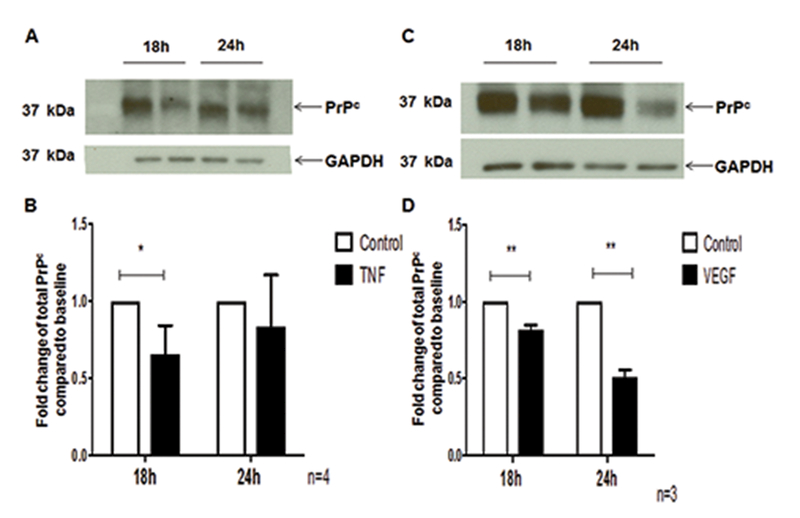
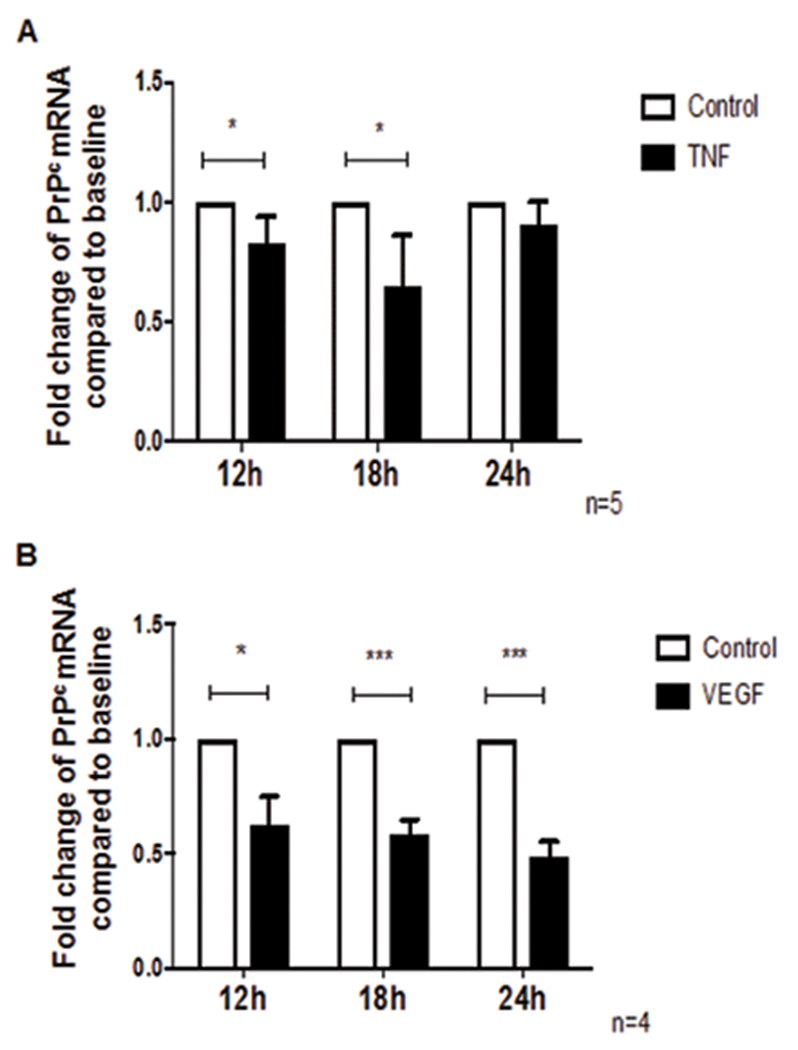
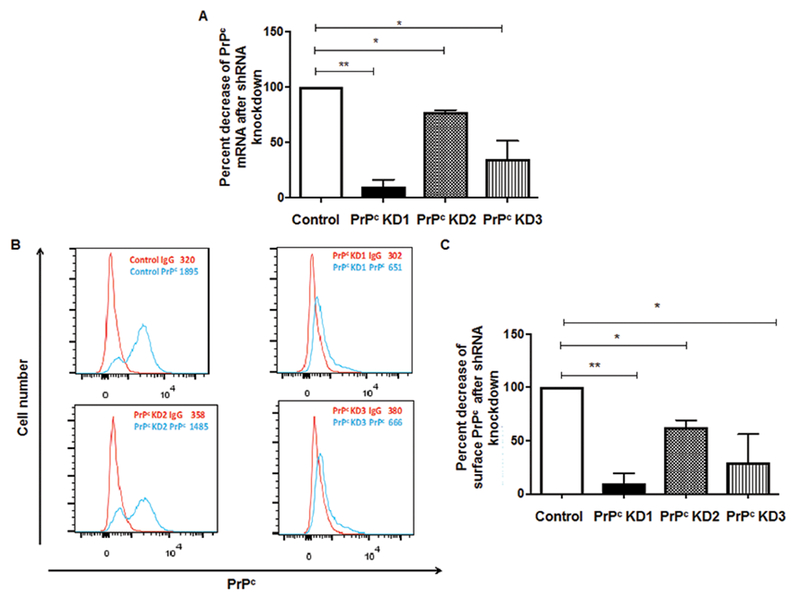
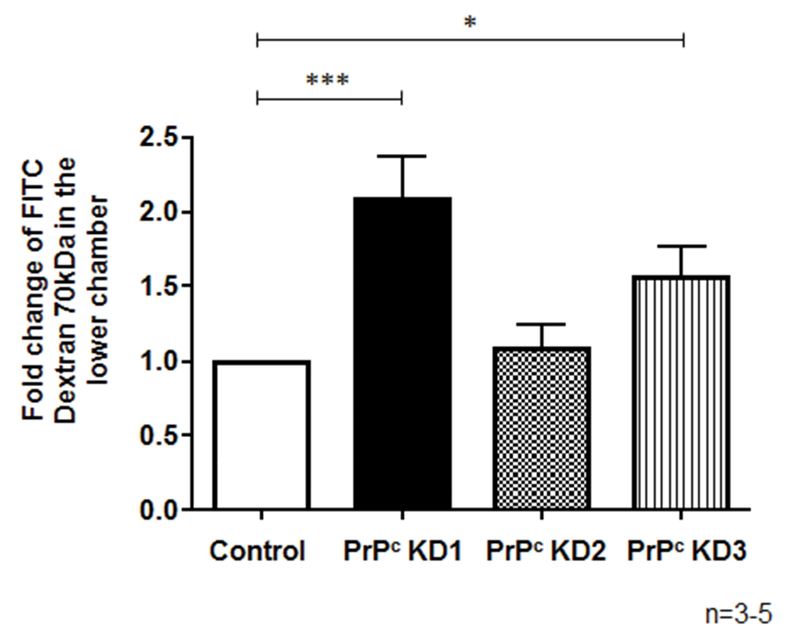
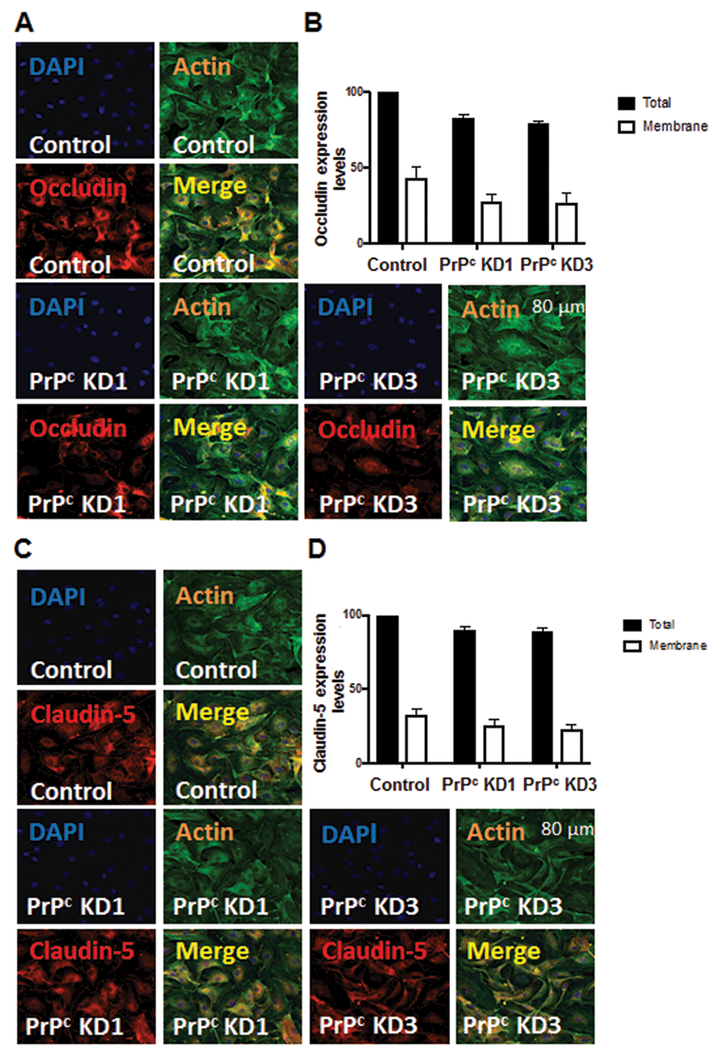
The cellular prion protein (PrPc) is a surface adhesion molecule expressed at junctions of various cell types including brain microvascular endothelial cells (BMVEC) that are important components of the blood-brain barrier (BBB). PrPc is involved in several physiological processes including regulation of epithelial cell barrier function and monocyte migration across BMVEC. BBB dysfunction and disruption are significant events in central nervous system (CNS) inflammatory processes including HIV neuropathogenesis. Tumor necrosis factor (TNF)-α and vascular endothelial growth factor (VEGF) are two inflammatory factors that have been implicated in the processes that affect BBB integrity. To examine the effect of inflammation on PrPc expression in BMVEC, we used these mediators and found that TNF-α and VEGF decrease surface PrPc on primary human BMVEC. We also showed that these factors decrease total PrPc protein as well as mRNA, indicating that they regulate expression of this protein by de novo synthesis. To determine the effect of PrPc loss from the surface of BMVEC on barrier integrity, we used small hairpin RNAs to knockdown PrPc. We found that the absence of PrPc from BMVEC causes increased permeability as determined by a fluorescein isothiocyanate (FITC)-dextran permeability assay. This suggests that cell surface PrPc is essential for endothelial monolayer integrity. To determine the mechanism by which PrPc downregulation leads to increased permeability of an endothelial monolayer, we examined changes in expression and localization of tight junction proteins, occludin and claudin-5, and found that decreased PrPc leads to decreased total and membrane-associated occludin and claudin-5. We propose that an additional mechanism by which inflammatory factors affect endothelial monolayer permeability is by decreasing cell-associated PrPc. This increase in permeability may have subsequent consequences that lead to CNS damage.
Conflict of interest statement
Disclosure/Conflict of Interest
The authors declare no conflict of interest.
Figures
References
Publication types
MeSH terms
Substances
Grants and funding
LinkOut - more resources
Full Text Sources
Other Literature Sources
Research Materials
Miscellaneous
