


Rates of cannabis use in patients with cancer
- PMID: 29962840
- PMCID: PMC6023560
- DOI: 10.3747/co.25.3983
Rates of cannabis use in patients with cancer
Abstract
Background: A comprehensive assessment of cannabis use by patients with cancer has not previously been reported. In this study, we aimed to characterize patient perspectives about cannabis and its use.
Methods: An anonymous survey about cannabis use was offered to patients 18 years of age and older attending 2 comprehensive and 2 community cancer centres, comprising an entire provincial health care jurisdiction in Canada (ethics id: hreba-17011).
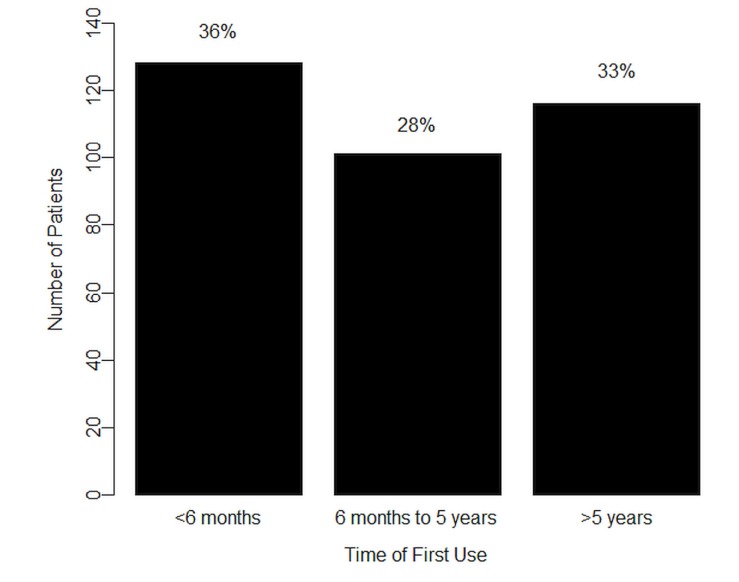
Results: Of 3138 surveys distributed, 2040 surveys were returned (65%), with 1987 being sufficiently complete for analysis (response rate: 63%). Of the respondents, 812 (41%) were less than 60 years of age; 45% identified as male, and 55% as female; and 44% had completed college or higher education.Of respondents overall, 43% reported any lifetime cannabis use. That finding was independent of age, sex, education level, and cancer histology. Cannabis was acquired through friends (80%), regulated medical dispensaries (10%), and other means (6%). Of patients with any use, 81% had used dried leaves.Of the 356 patients who reported cannabis use within the 6 months preceding the survey (18% of respondents with sufficiently complete surveys), 36% were new users. Their reasons for use included cancer-related pain (46%), nausea (34%), other cancer symptoms (31%), and non-cancer-related reasons (56%).
Conclusions: The survey demonstrated that prior cannabis use was widespread among patients with cancer (43%). One in eight respondents identified at least 1 cancer-related symptom for which they were using cannabis.
Keywords: Cannabis; marijuana; symptoms.
Figures
References
-
- United States, State of Colorado . Colorado Constitution of 1876. Denver, CO: State of Colorado; 2012. Art. XVIII, Sect. 16. Personal use and regulation of marijuana.
-
- United States, State of Washington . Initiative Measure No. 502 concerns marijuana. Olympia, WA: State of Washington; 2011.
Publication types
MeSH terms
Substances
LinkOut - more resources
Full Text Sources
Other Literature Sources
Medical
