. 2018 Jul 2;13(7):e0199476.
doi: 10.1371/journal.pone.0199476. eCollection 2018.

Differential expression and function of CAIX and CAXII in breast cancer: A comparison between tumorgraft models and cells

Affiliations

Differential expression and function of CAIX and CAXII in breast cancer: A comparison between tumorgraft models and cells

Zhijuan Chen et al. PLoS One. .

Expression of concern in

Abstract

Carbonic anhydrase IX (CAIX) and XII (CAXII) are transmembrane proteins that are associated with cancer progression. We have previously described the catalytic properties of CAIX in MDA-MB-231 breast cancer cells, a line of cells that were derived from a patient with triple negative breast cancer. We chose this line because CAIX expression in breast cancer is a marker of hypoxia and a prognosticator for reduced survival. However, CAXII expression is associated with better survival statistics than those patients with low CAXII expression. Yet CAIX and CAXII have similar catalytic activities. Here we compare the potential roles of CAIX and CAXII in the context of TNBC and estrogen receptor (ER)-positive breast cancer. In tumor graft models, we show that CAIX and CAXII exhibit distinct expression patterns and non-overlapping. We find the same pattern across a panel of TNBC and luminal breast cancer cell lines. This affords an opportunity to compare directly CAIX and CAXII function. Our data suggest that CAIX expression is associated with growth potentiation in the tumor graft model and in a TNBC line using knockdown strategies and blocking activity with an impermeant sulfonamide inhibitor, N-3500. CAXII was not associated with growth potentiation. The catalytic activities of both CAIX and CAXII were sensitive to inhibition by N-3500 and activated at low pH. However, pH titration of activity in membrane ghosts revealed significant differences in the catalytic efficiency and pKa values. These features provide evidence that CAIX is a more efficient enzyme than CAXII at low pH and that CAIX shifts the equilibrium between CO2 and bicarbonate in favor of CO2 production by consuming protons. This suggests that in the acidic microenvironment of tumors, CAIX plays a role in stabilizing pH at a value that favors cancer cell survival.


Conflict of interest statement

The authors have declared that no competing interests exist.

Figures
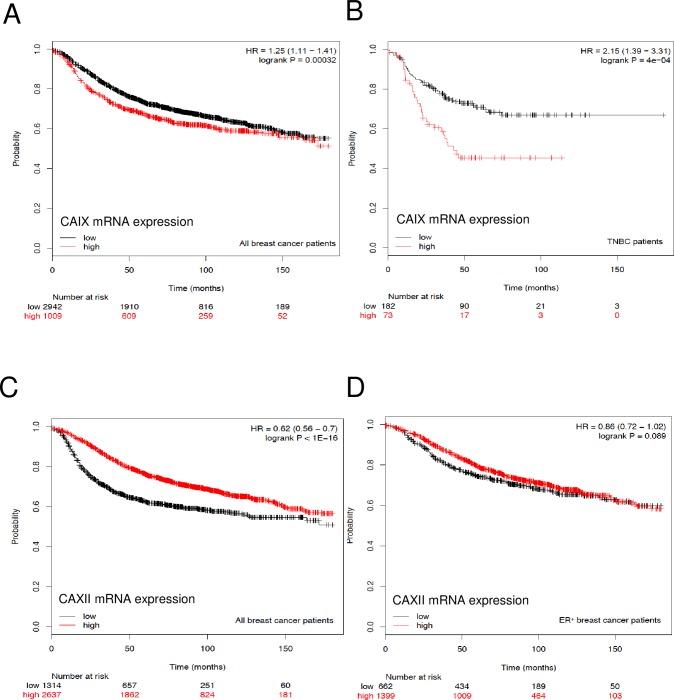
Fig 1
Fig 1. Kaplan-Meier plots in breast cancer patients.
Panel A. mRNA from all breast cancer patients (unrestricted analysis) was probed for the CA9 gene expression (CAIX-mRNA) using Affimetrix ID 205199_at. Panel B. mRNA expression in triple negative breast cancer patients was probed for CAIX mRNA using Affimetrix ID, 205199. Panel C. mRNA from all breast cancer patients (unrestricted analysis) was probed for the CA12 gene expression (CAXII mRNA) using Affimetrix ID, 215867_at. Panel D. mRNA from all ER-positive breast cancer patients was probed for the CAXII mRNA using Affimetrix ID, 215867_at.
Fig 2
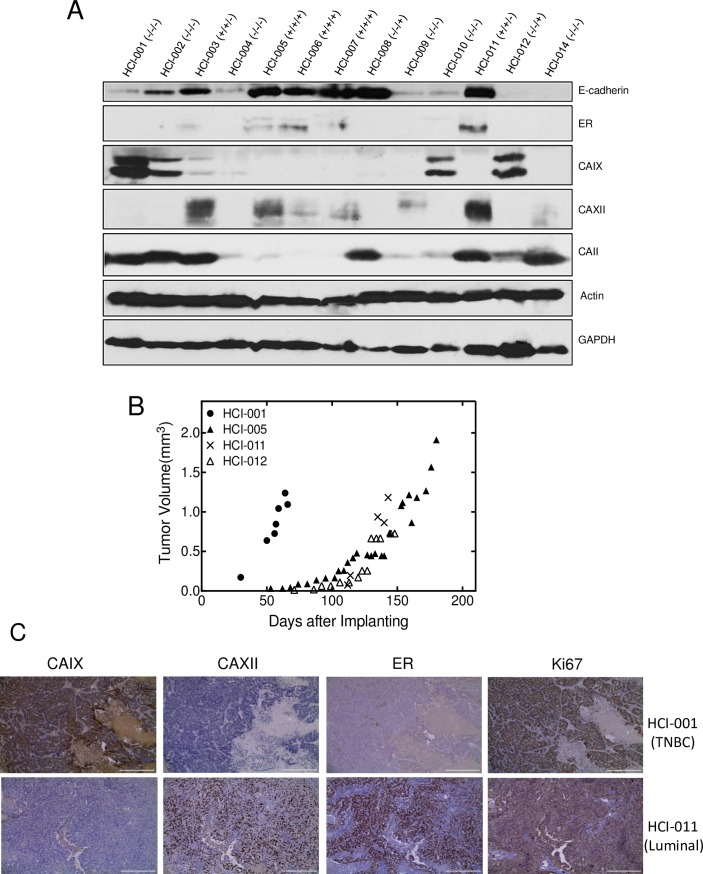
Fig 2. Differential expression of CAIX and CAXII in patient-derived tumor grafts.
Panel A. Frozen tissue samples from PDX tumors were homogenized in RIPA buffer containing protease inhibitor. Western blots were probed with antibodies for CAIX, CAXII, CAII, ER, E-cadherin, actin, and GAPDH. Panel B. Tumor growth rates of orthotopically implanted, cryo-preserved tumor tissue was evaluated in NOD/SCID mice. Panel C. Immunohistochemistry was utilized to evaluate expression of CAIX, CAXII, ER, and Ki67 in TNBC (HCl-001) and ER/PR-positive (HCl-011) tumors from Panel B. Magnification: primary objective magnification, 10x.
Fig 3
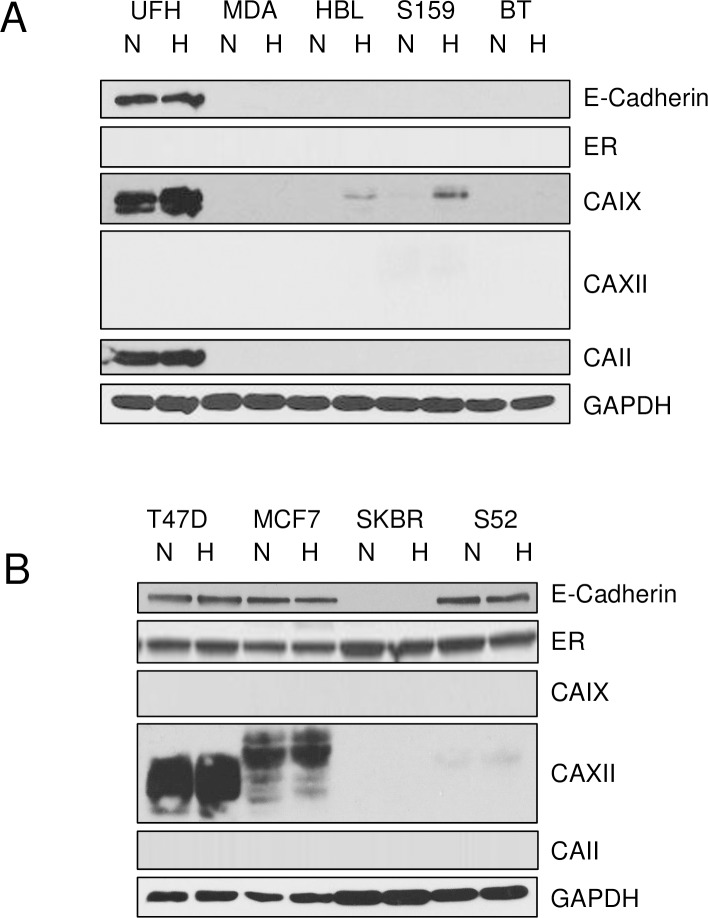
Fig 3. Differential expression of CAs in TNBC and luminal breast cancer cells.
Cell were grown to 70% confluence and then exposed to normoxic (N) or 1% oxygen (H), hypoxic conditions. After 16 h, cells were washed with PBS and extracted in RIPA buffer containing protease inhibitors. Equal protein was loaded onto SDS PAGE gels, and then transferred to nitrocellulose for western blot analysis. Panel A. CA expression in TNBC cells: UFH = UFH-001, MDA = MDA-MB-231-LM2, HBL = HBL-100, S159 = Sum 159, BT = BT-549 cells. Panel B. CA expression in luminal breast cancer cells: T47D, MCF7 = MCF-7, SKBR = SKBR-3, S52 = SUM-52 cells.
Fig 4
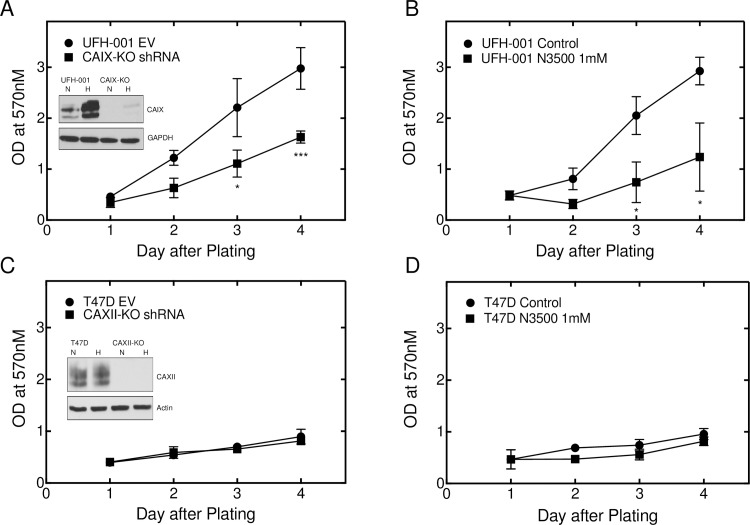
Fig 4. CAIX expression, but not that of CAXII, is important in breast cancer proliferation.
Cell growth was monitored by the MTT assay in which CAIX and CAXII were knocked-down in UFH-001 and T47D cells using shRNA or activity was blocked using the impermeant sulfonamide inhibitor, N-3500 (1mM). Panels A and B. UFH-001 cells. Panels C and D. T47D cells. Asterisks denote statistical significance (* p < 0.05, *** p < 0.001.
Fig 5
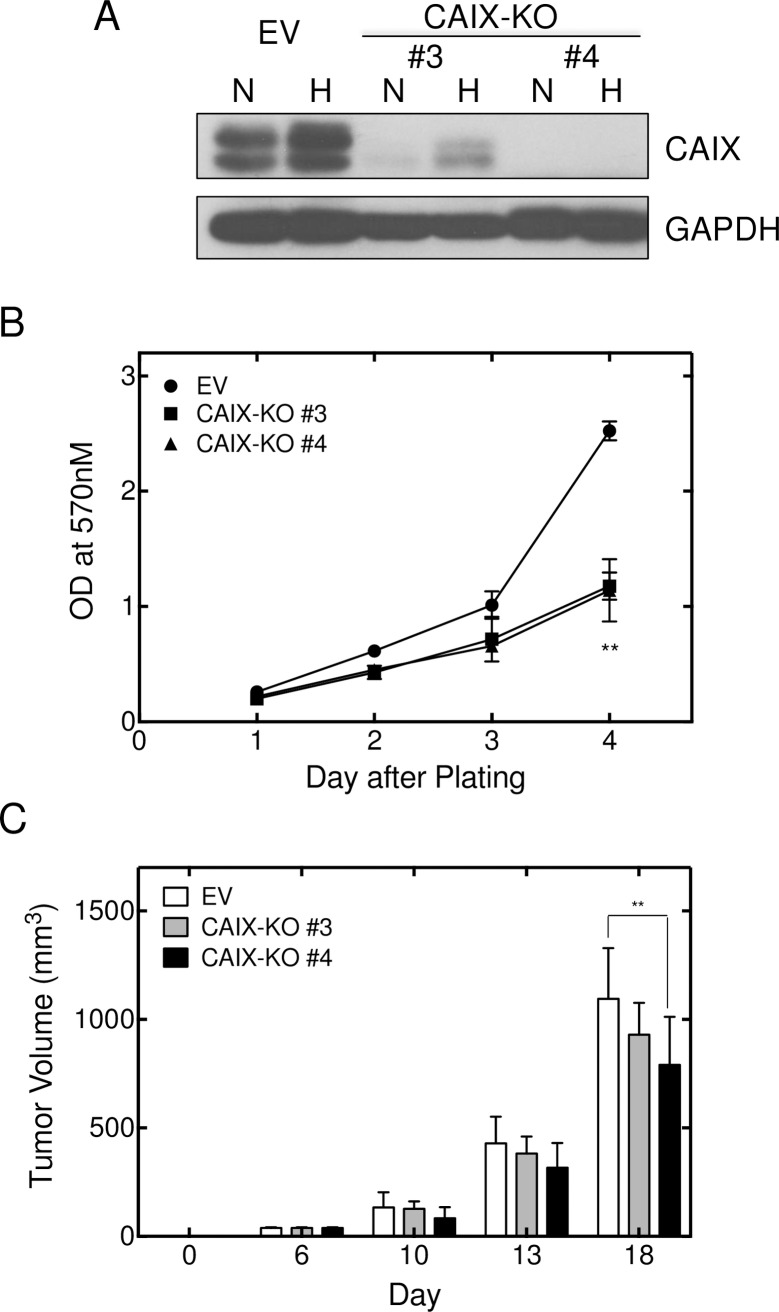
Fig 5. CAIX ablation decreases UFH-001 cell and tumor growth.
CAIX was ablated using CRISPR/Cas9. Two probe sets are shown compared to the empty vector control. Panel A. Western blots were probed for CAIX and GAPDH. Panel B. Cell growth of knockdown cells and empty vector controls was evaluated using the MTT assay. Panel C. Orthotopically implanted cells (empty vector controls and knockdown cells) were monitored for tumor growth in NOD/SCID mice. Asterisks denote statistical significance (** p < 0.01).
Fig 6
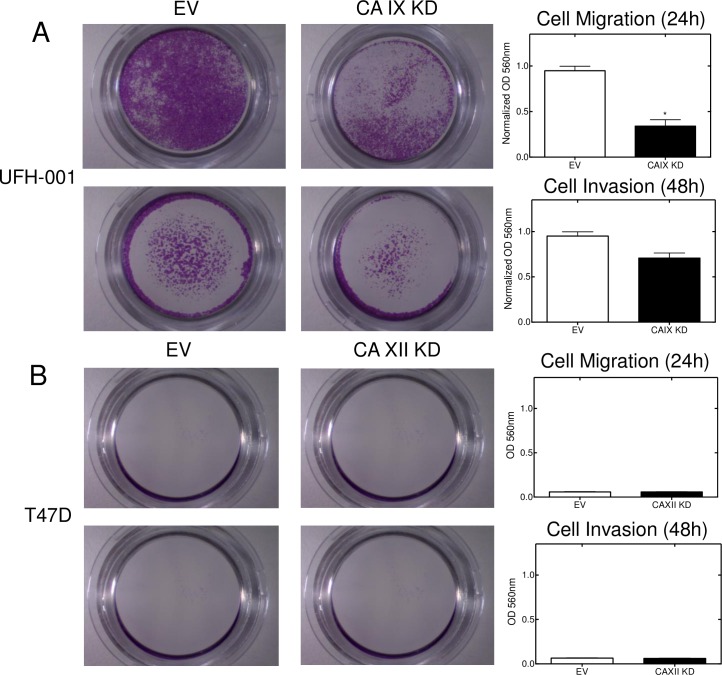
Fig 6. CAIX expression affects migration and invasion of breast cancer cells.
Cell migration and invasion were determined using trans-well chambers. Panel A. UFH-001 cells (empty vector and CRISPR-CAIX knockdown cells from Fig 5) were plated in the upper transwell chambers and allowed to migrate or invade across the membrane for 24 h (upper images) or 48 h (lower images), respectively. Tabulation of results is shown to the right (p < 0.05). Panel B. T47D cells (empty vector or CAXII knockdown cells from Fig 4) were plated in the upper transwell chambers and allowed to migrate or invade across the membrane for 24 h (upper images) or 48 h (lower images), respectively. Tabulation of results is shown to the right.
Fig 7
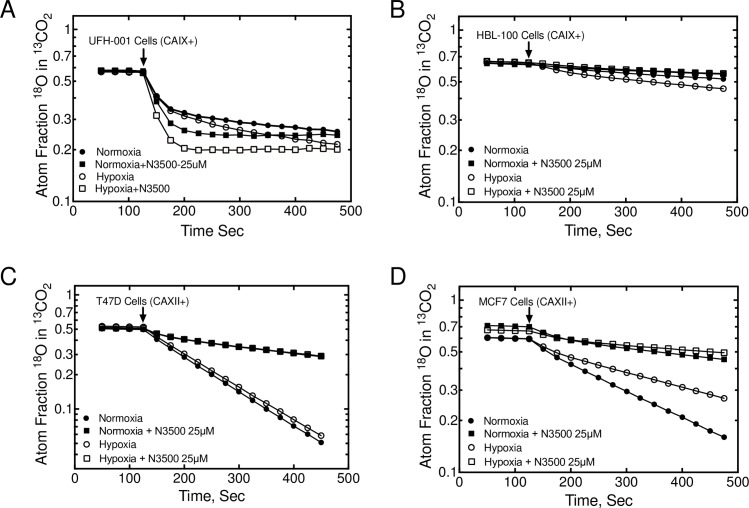
Fig 7. CAIX and CAXII activity in TNBC and luminal breast cancer cells.
HBrCs were exposed to hypoxic conditions (or not) for 16 h. Cells were released form plates and suspended in bicarbonate-free medium and analyzed for carbonic anhydrase activity using the 18O exchange assay in the absence or presence of the impermeant sulfonamide inhibitor, N-3500. Data are representative of 3 independent biological replicates. Activity data for UFH-001 (Panel A), HBL-100 (Panel B), T47D (Panel C), and MCF7 (Panel D) cells are described in the text.
Fig 8
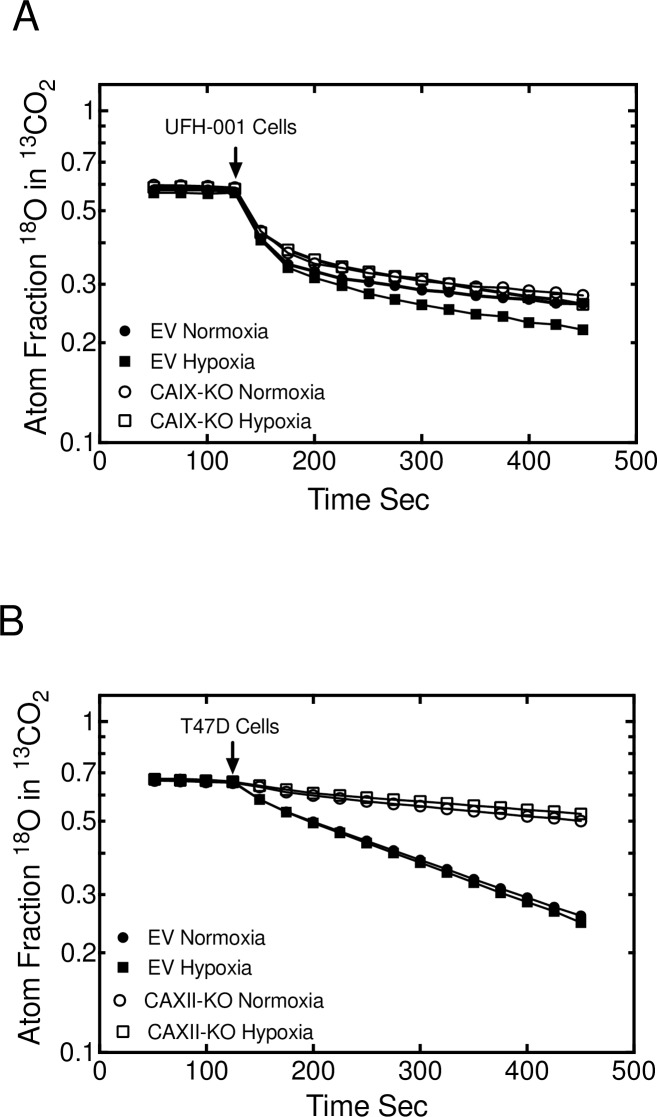
Fig 8. CA activity is reduced by ablation of CAIX and CAXII.
18O exchange activity was used to measure CA activity in empty vector controls and knockdown cells (from Fig 4) exposed to normoxic or hypoxic conditions. Panel A. UFH-001 cells. Panel B. T47D cells.
Fig 9
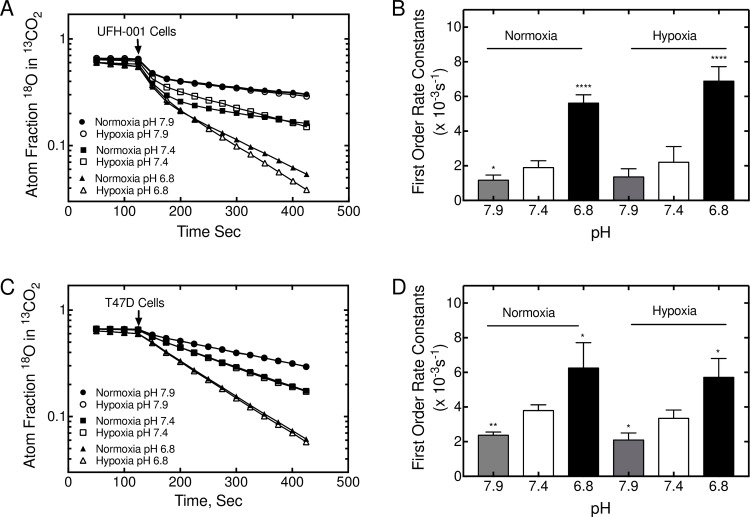
Fig 9. CA activity increases in response to low pH in UFH-001 and T47D cells.
18O exchange was used to measure CA activity in cells at pH 6.8, 7.4, and 7.9. Panels A and B. A representative plot of CAIX activity in response to pH is shown for UFH-001 cells exposed to normoxic or hypoxic conditions. Three independent biological replicates were used to quantify the first order rate constants. Panels C and D. A representative plot of CAXII activity in response to pH is shown for T47D cells exposed to normoxic and hypoxic conditions. Three independent biological replicates were used to quantify the first order rate constants. The asterisks denote statistical significance. * p < 0.05, ** p < 0.01, **** p < 0.0001.
Fig 10
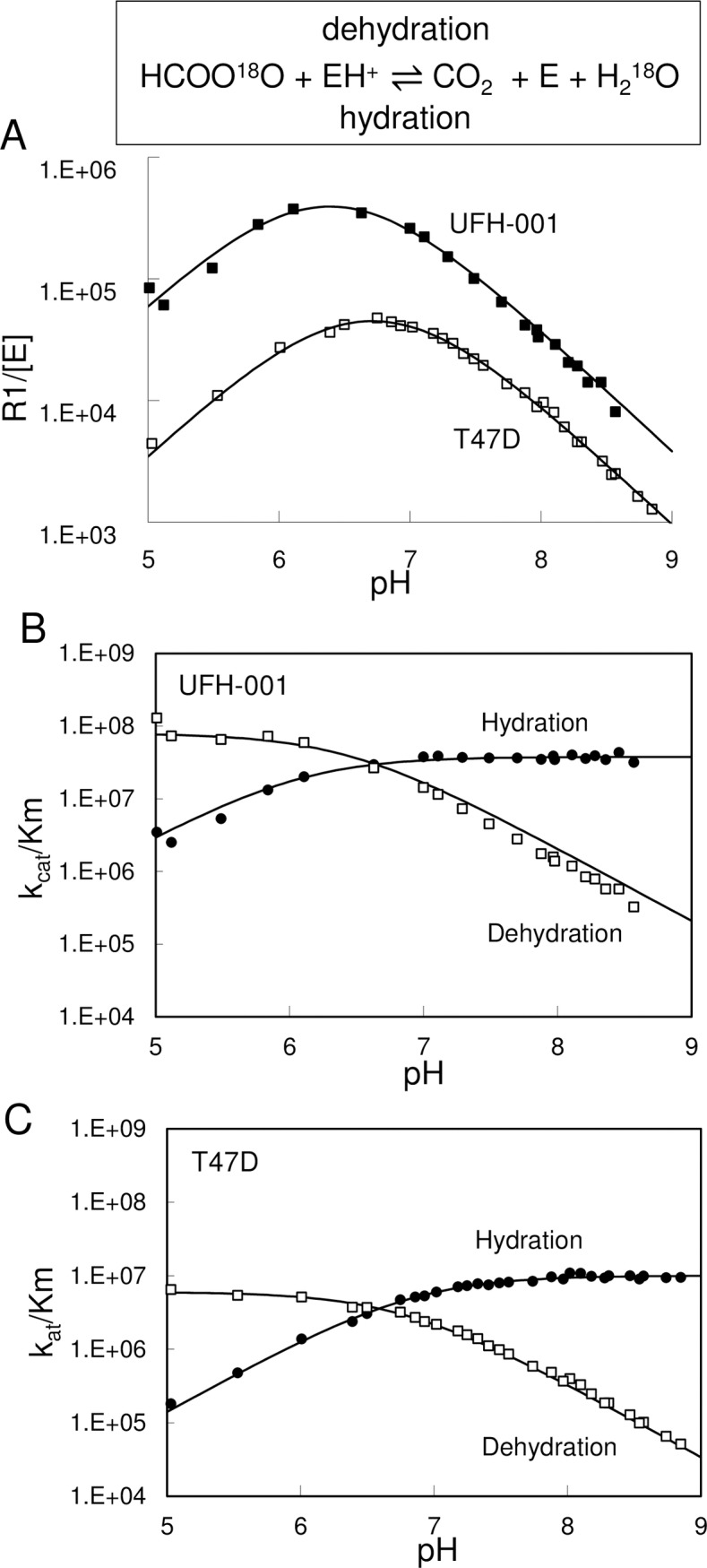
Fig 10. pH profile of activity by membrane-associated CAIX and CAXII.
Membrane ghosts were prepared from hypoxic UFH-001 and normoxic T47D cells. Panel A. 18O exchange data is reported as the rate of activity divided by the enzyme concentration in a pH-dependent manner. The concentration of CAIX in the membrane suspension was estimated at 4.1 nM. The concentration of CAXII in the membrane suspension was estimated at 31.4 nM. Panel B. The kcatexch/Keffs (kcat/Km) with units, M-1s-1, is shown for the hydration of CO2 and dehydration of bicarbonate catalyzed by CAIX. Panel C. the kcatexch/Keffs (kcat/Km) with units, M-1s-1, is shown for the hydration of CO2 and dehydration of bicarbonate catalyzed by CAXII.

References

    1. Schwickert G, Walenta S, Sundfor K, Rofstad EK, Mueller-Klieser W. Correlation of High Lactate Levels in Human Cervical Cancer with Incidence of Metastasis. Cancer Res. 1995;55:4757–9. - PubMed
    1. Yamagata M, Hasuda K, Stamato T, Tannock IF. The Contribution of Lactic Acid to Acidification of Tumours: Studies of Variant Cells Lacking Lactate Dehydrogenase. Br J Cancer. 1998;77:1726–31. - PMC - PubMed
    1. Newell K, Franchi A, Pouyssegur J, Tannock I. Studies with Glycolysis-deficient Cells Suggest that Production of Lactic Acid is not the Only Cause of Tumor Acidity. Proc Natl Acad Sci USA. 1993;90:1127–31. - PMC - PubMed
    1. Helmlinger G, Sckell A, Dellian M, Forbes NS, Jain RK. Acid Production in Glycolysis-impaired Tumors Provides New Insights into Tumor Metabolism. Clin Canc Res 2002;8:1284–91. - PubMed
    1. Frost SC. Physiological functions of the alpha class of carbonic anhydrases. Subcell Biochem. 2014;75:9–30. doi: 10.1007/978-94-007-7359-2_2 . - DOI - PubMed

Publication types

MeSH terms