


Complex polymorphisms in endocytosis genes suggest alpha-cyclodextrin as a treatment for breast cancer
- PMID: 29965997
- PMCID: PMC6028090
- DOI: 10.1371/journal.pone.0199012
Complex polymorphisms in endocytosis genes suggest alpha-cyclodextrin as a treatment for breast cancer
Erratum in
-
Correction: Complex polymorphisms in endocytosis genes suggest alpha-cyclodextrin as a treatment for breast cancer.PLoS One. 2019 Mar 28;14(3):e0214826. doi: 10.1371/journal.pone.0214826. eCollection 2019. PLoS One. 2019. PMID: 30921433 Free PMC article.
Abstract
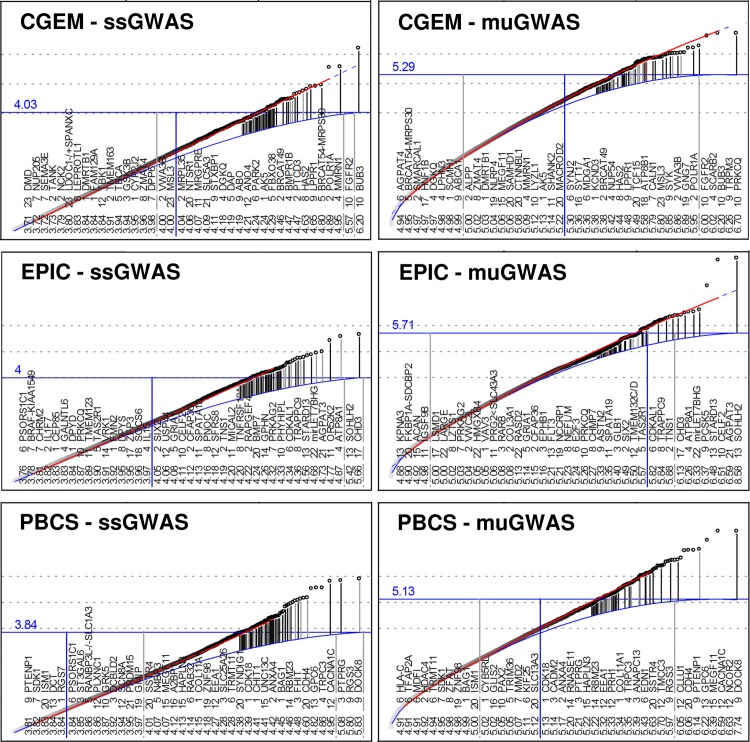
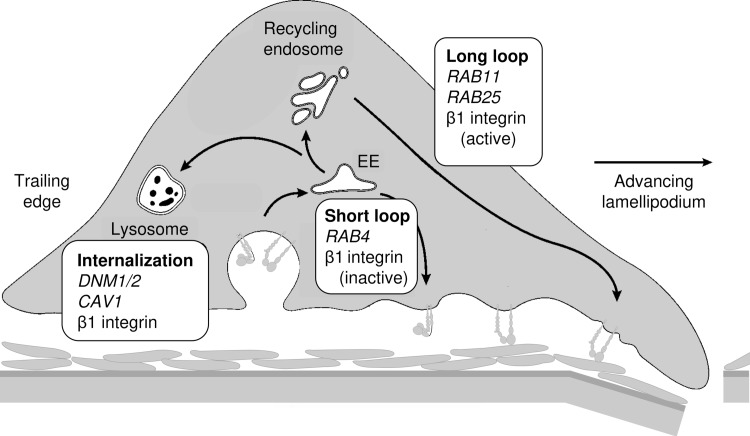
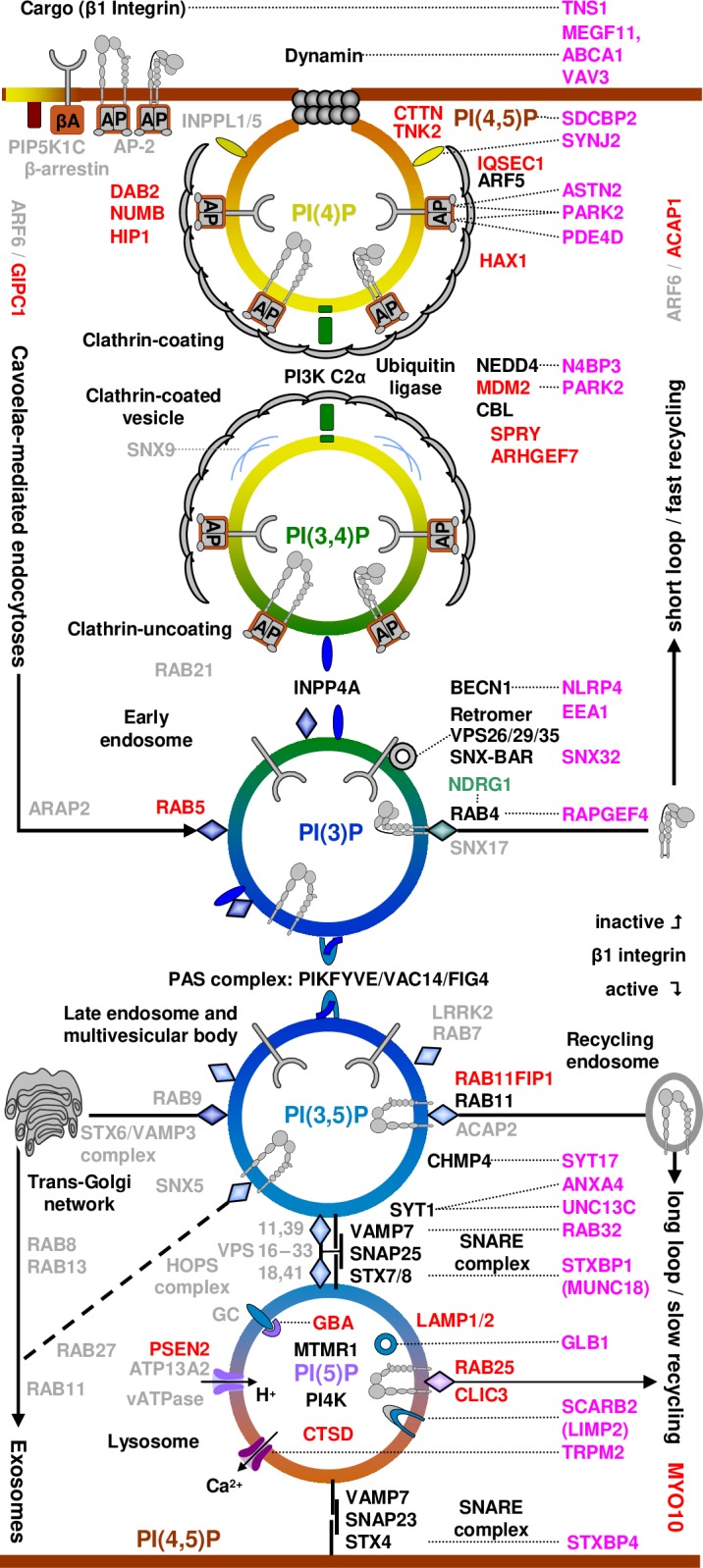
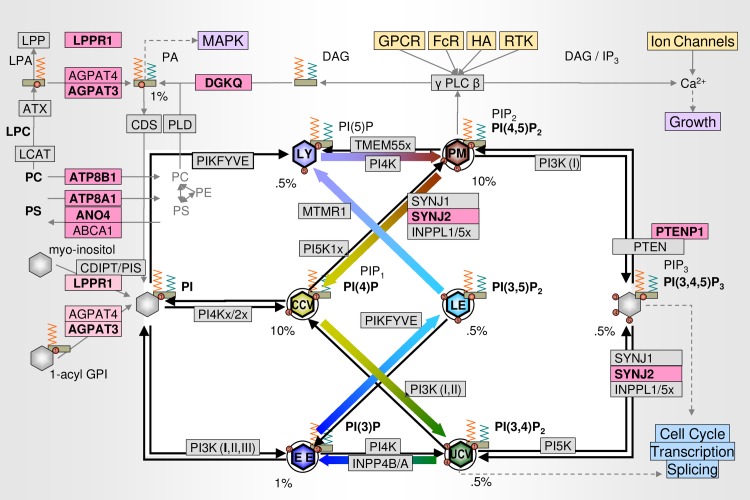
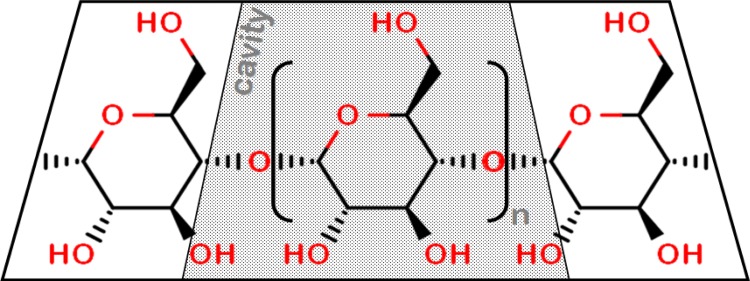
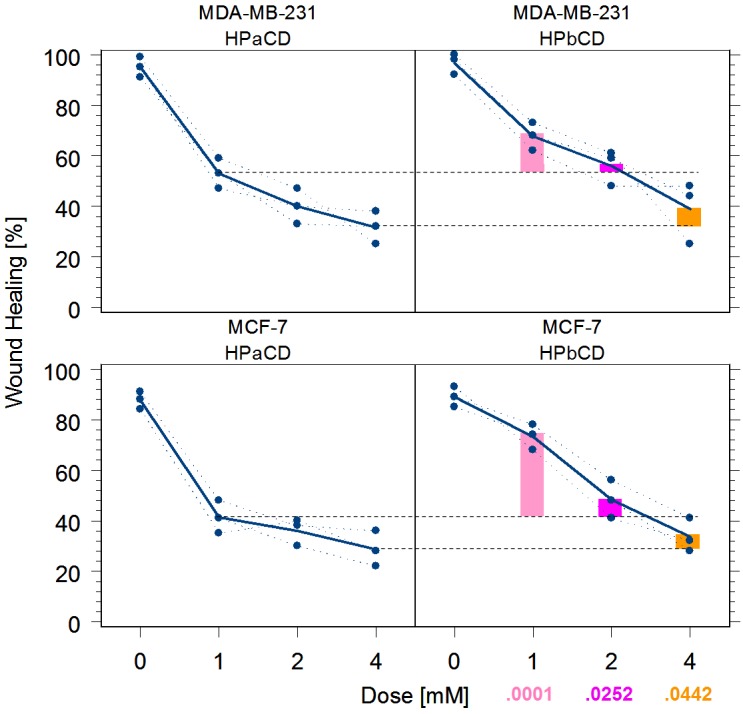
Most breast cancer deaths are caused by metastasis and treatment options beyond radiation and cytotoxic drugs, which have severe side effects, and hormonal treatments, which are or become ineffective for many patients, are urgently needed. This study reanalyzed existing data from three genome-wide association studies (GWAS) using a novel computational biostatistics approach (muGWAS), which had been validated in studies of 600-2000 subjects in epilepsy and autism. MuGWAS jointly analyzes several neighboring single nucleotide polymorphisms while incorporating knowledge about genetics of heritable diseases into the statistical method and about GWAS into the rules for determining adaptive genome-wide significance. Results from three independent GWAS of 1000-2000 subjects each, which were made available under the National Institute of Health's "Up For A Challenge" (U4C) project, not only confirmed cell-cycle control and receptor/AKT signaling, but, for the first time in breast cancer GWAS, also consistently identified many genes involved in endo-/exocytosis (EEC), most of which had already been observed in functional and expression studies of breast cancer. In particular, the findings include genes that translocate (ATP8A1, ATP8B1, ANO4, ABCA1) and metabolize (AGPAT3, AGPAT4, DGKQ, LPPR1) phospholipids entering the phosphatidylinositol cycle, which controls EEC. These novel findings suggest scavenging phospholipids as a novel intervention to control local spread of cancer, packaging of exosomes (which prepare distant microenvironment for organ-specific metastases), and endocytosis of β1 integrins (which are required for spread of metastatic phenotype and mesenchymal migration of tumor cells). Beta-cyclodextrins (βCD) have already been shown to be effective in in vitro and animal studies of breast cancer, but exhibits cholesterol-related ototoxicity. The smaller alpha-cyclodextrins (αCD) also scavenges phospholipids, but cannot fit cholesterol. An in-vitro study presented here confirms hydroxypropyl (HP)-αCD to be twice as effective as HPβCD against migration of human cells of both receptor negative and estrogen-receptor positive breast cancer. If the previous successful animal studies with βCDs are replicated with the safer and more effective αCDs, clinical trials of adjuvant treatment with αCDs are warranted. Ultimately, all breast cancer are expected to benefit from treatment with HPαCD, but women with triple-negative breast cancer (TNBC) will benefit most, because they have fewer treatment options and their cancer advances more aggressively.
Conflict of interest statement
KMW is inventor/assignee of related patent(application)s US 7,664,616: Statistical methods for hierarchical multivariate ordinal data which are used for data base driven decision support; PCT/IB2017/000373, Use of cyclodextrins to reduce endocytosis in malignant and neurodegenerative disorders) and founder of ASDERA LLC, to which the latter patent is assigned (both industry support and intellectual property). This does not alter our adherence to PLOS ONE policies on sharing data and materials.
Figures
References
-
- Rojas K, Stuckey A. Breast Cancer Epidemiology and Risk Factors. Clin Obstet Gynecol. 2016;59(4):651–72. Epub 2016/10/21. doi: 10.1097/GRF.0000000000000239 . - DOI - PubMed
-
- Siegel RL, Miller KD, Jemal A. Cancer statistics, 2016. CA: a cancer journal for clinicians. 2016;66(1):7–30. Epub 2016/01/09. doi: 10.3322/caac.21332 . - DOI - PubMed
-
- Hayashi S, Kimura M. Mechanisms of hormonal therapy resistance in breast cancer. Int J Clin Oncol. 2015;20(2):262–7. Epub 2015/02/06. doi: 10.1007/s10147-015-0788-5 . - DOI - PubMed
-
- Burdett T, Hall PN, Hastings E, Hindorff LA, Junkins HA, Klemm AK, et al. The NHGRI-EBI Catalog of published genome-wide association studies [2016-05-16]. Available from: http://www.ebi.ac.uk/gwas
-
- Barsh GS, Copenhaver GP, Gibson G, Williams SM. Guidelines for genome-wide association studies. PLoS Genet. 2012;8(7):e1002812 Epub 2012/07/14. doi: 10.1371/journal.pgen.1002812 ; PubMed Central PMCID: PMC3390399. - DOI - PMC - PubMed
Publication types
MeSH terms
Substances
Grants and funding
LinkOut - more resources
Full Text Sources
Other Literature Sources
Medical
Research Materials
Miscellaneous
