


Non-Coding RNAs and Resistance to Anticancer Drugs in Gastrointestinal Tumors
- PMID: 29967761
- PMCID: PMC6015885
- DOI: 10.3389/fonc.2018.00226
Non-Coding RNAs and Resistance to Anticancer Drugs in Gastrointestinal Tumors
Abstract
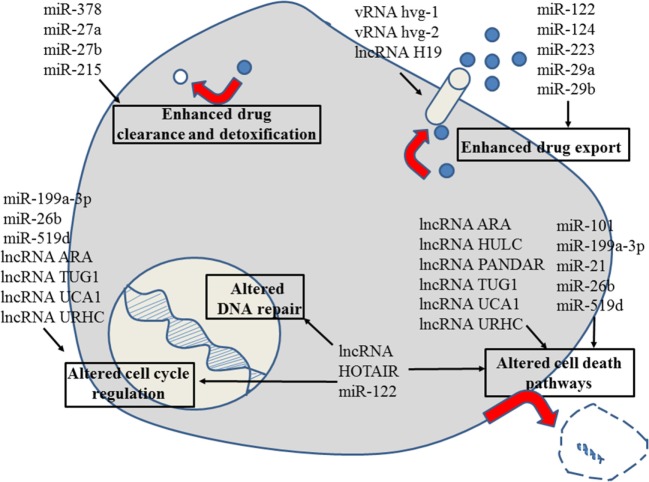
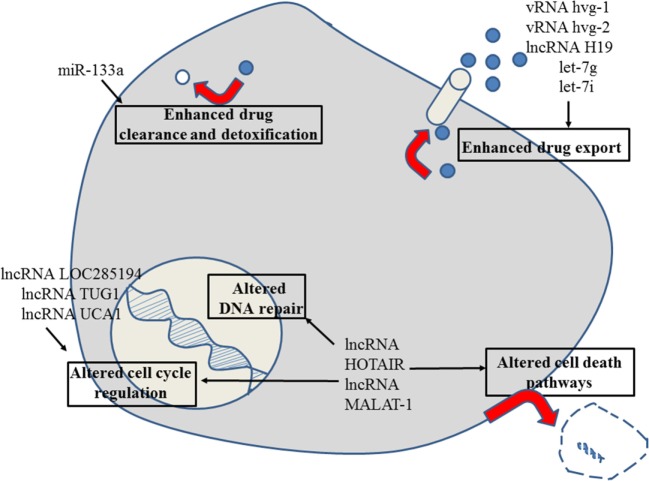
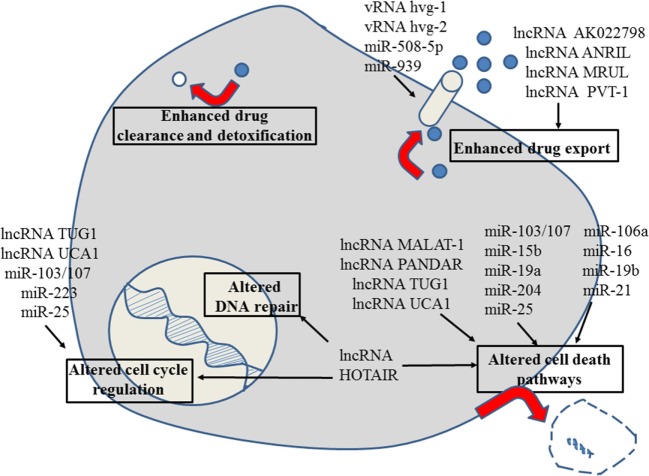
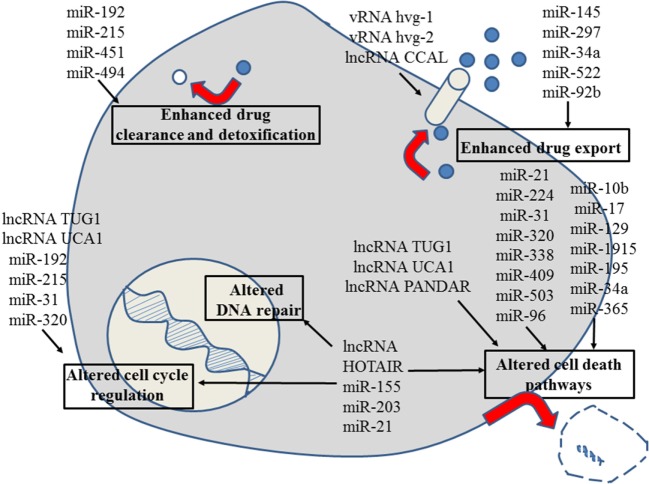
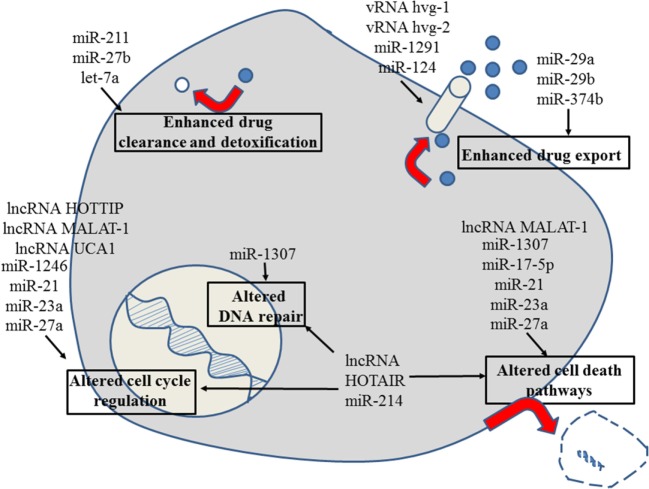
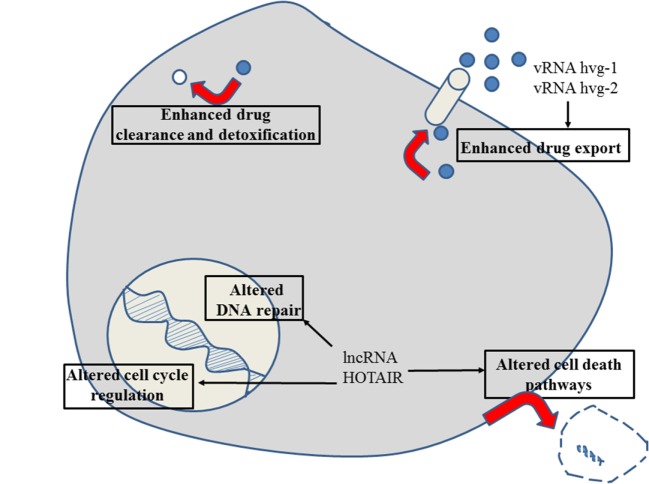
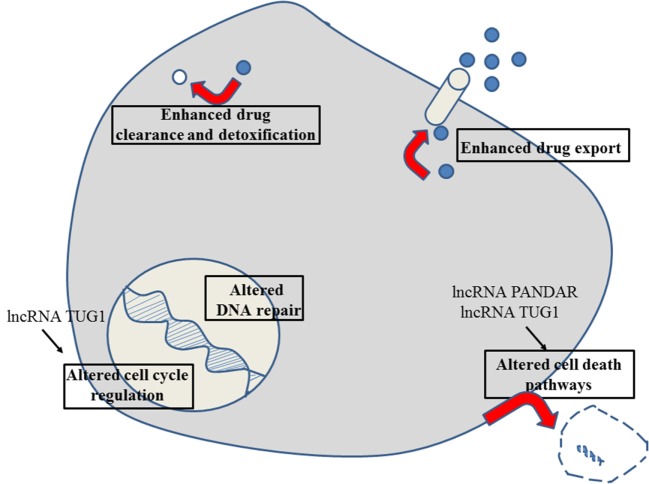
Non-coding RNAs are important regulators of gene expression and transcription. It is well established that impaired non-coding RNA expression especially the one of long non-coding RNAs and microRNAs is involved in a number of pathological conditions including cancer. Non-coding RNAs are responsible for the development of resistance to anticancer treatments as they regulate drug resistance-related genes, affect intracellular drug concentrations, induce alternative signaling pathways, alter drug efficiency via blocking cell cycle regulation, and DNA damage response. Furthermore, they can prevent therapeutic-induced cell death and promote epithelial-mesenchymal transition (EMT) and elicit non-cell autonomous mechanisms of resistance. In this review, we summarize the role of non-coding RNAs for different mechanisms resulting in drug resistance (e.g., drug transport, drug metabolism, cell cycle regulation, regulation of apoptotic pathways, cancer stem cells, and EMT) in the context of gastrointestinal cancers.
Keywords: anticancer drugs; cancer therapy; gastrointestinal tumor; lncRNA; microRNA; non-coding RNA; resistance.
Figures
References
-
- Chan BA, Jang RW, Wong RK, Swallow CJ, Darling GE, Elimova E. Improving outcomes in resectable gastric cancer: a review of current and future strategies. Oncology (Williston Park) (2016) 30:635–45. - PubMed
Publication types
Grants and funding
LinkOut - more resources
Full Text Sources
Other Literature Sources
