


Adipokines in Semen: Physiopathology and Effects on Spermatozoas
- PMID: 29971101
- PMCID: PMC6008818
- DOI: 10.1155/2018/3906490
Adipokines in Semen: Physiopathology and Effects on Spermatozoas
Abstract
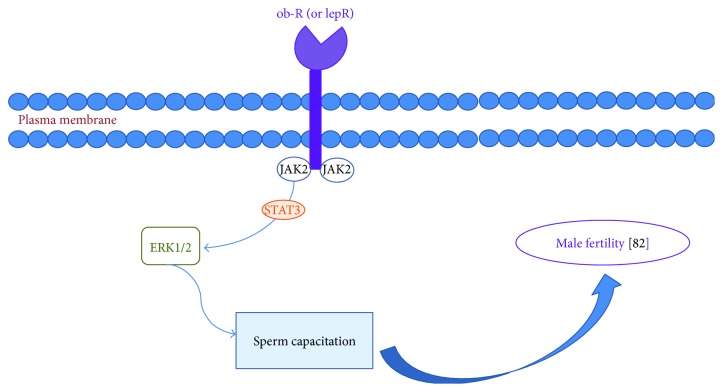
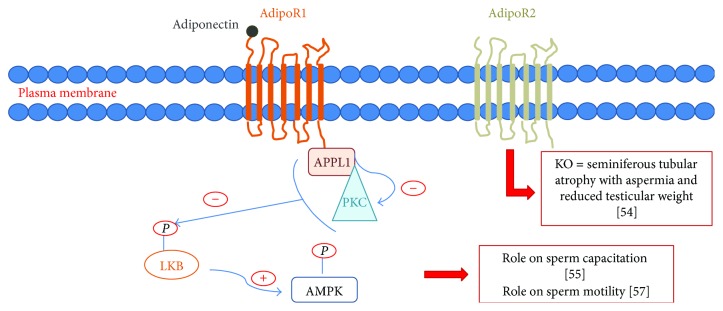
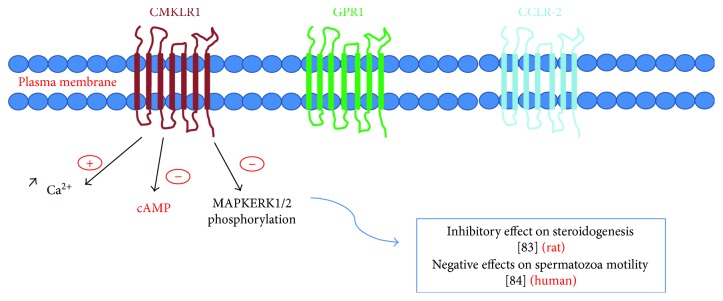
Adipokines are secreted by adipose tissue and could be the link between obesity and infertility. Different studies investigated the involvement of adipokines in reproductive functions but only a few have looked into the male part. This review assesses adipokine functions on male reproductive parameters. Adiponectin seems to have a positive effect on sperm parameters, whereas other adipokines such as resistin or chemerin would have a rather deleterious effect on spermatogenesis. Semen parameters seem to be impacted when resistin and chemerin are increased: indeed, there is a decrease of sperm motility. Sperm morphology is improved when adiponectin is increased. The most studied adipokine, leptin, has a dual effect with a positive effect on sperm at physiological levels and a negative one for high seminal concentrations. Many semen parameters and fertility itself are disturbed according to semen adipokine levels, even if it is not the only interfering element. Taken together, adipokines are found in human and animal semen and most of them or their receptors are expressed in male genital tract. Although the pathophysiological role of adipokines in semen is not clearly elucidated, the adipokines could influence sperm functionality and could be potential biomarkers of male fertility.
Figures
References
Publication types
LinkOut - more resources
Full Text Sources
Other Literature Sources
