


B lymphocytes can be activated to act as antigen presenting cells to promote anti-tumor responses
- PMID: 29975708
- PMCID: PMC6033398
- DOI: 10.1371/journal.pone.0199034
B lymphocytes can be activated to act as antigen presenting cells to promote anti-tumor responses
Abstract
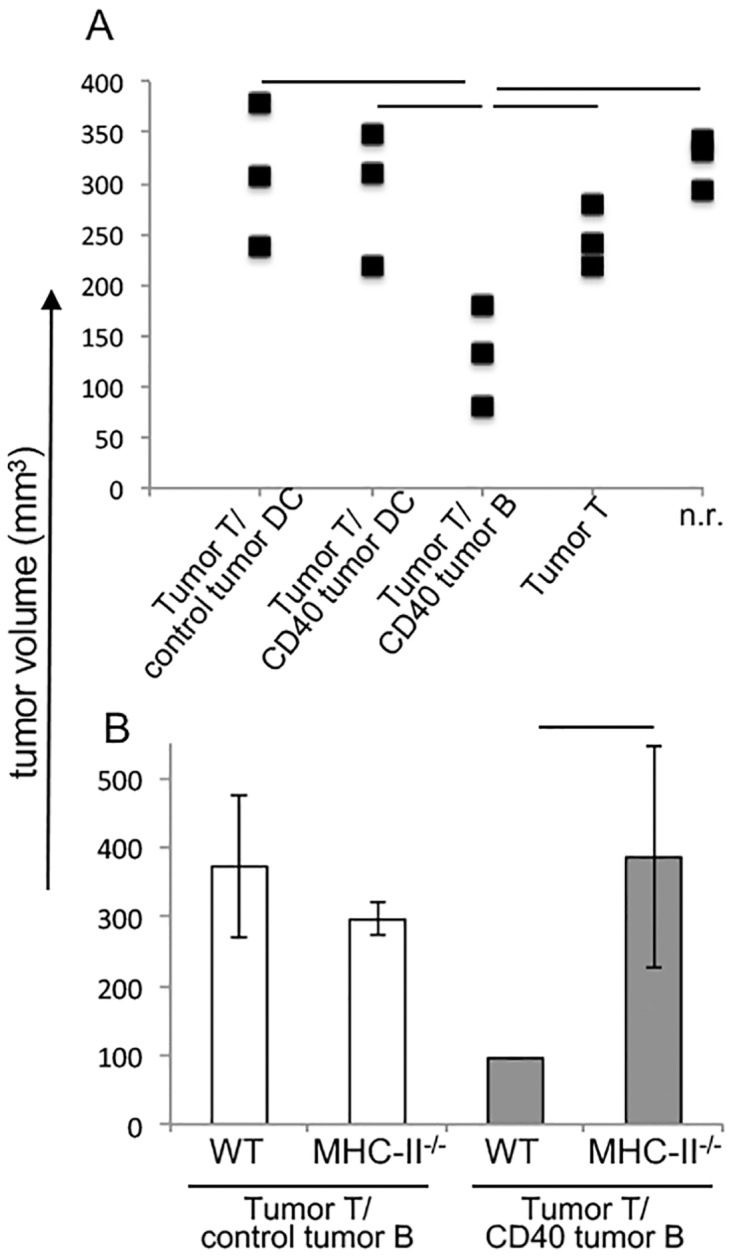
Immune evasion by tumors includes several different mechanisms, including the inefficiency of antigen presenting cells (APCs) to trigger anti-tumor T cell responses. B lymphocytes may display a pro-tumoral role but can also be modulated to function as antigen presenting cells to T lymphocytes, capable of triggering anti-cancer immune responses. While dendritic cells, DCs, are the best APC population to activate naive T cells, DCs or their precursors, monocytes, are frequently modulated by tumors, displaying a tolerogenic phenotype in cancer patients. In patients with cervical cancer, we observed that monocyte derived DCs are tolerogenic, inhibiting allogeneic T cell activation compared to the same population obtained from patients with precursor lesions or cervicitis. In this work, we show that B lymphocytes from cervical cancer patients respond to treatment with sCD40L and IL-4 by increasing the CD80+CD86+ population, therefore potentially increasing their ability to activate T cells. To test if B lymphocytes could actually trigger anti-tumor T cell responses, we designed an experimental model where we harvested T and B lymphocytes, or dendritic cells, from tumor bearing donors, and after APC stimulation, transplanted them, together with T cells into RAG1-/- recipients, previously injected with tumor cells. We were able to show that anti-CD40 activated B lymphocytes could trigger secondary T cell responses, dependent on MHC-II expression. Moreover, we showed that dendritic cells were resistant to the anti-CD40 treatment and unable to stimulate anti-tumor responses. In summary, our results suggest that B lymphocytes may be used as a tool for immunotherapy against cancer.
Conflict of interest statement
The authors have declared that no competing interests exist.
Figures



References
-
- Walboomers J.M., Jacobs M.V., Manos M.M., Bosch F.X., Kummer J.A., Shah K.V., et al. Human papillomavirus is a necessary cause of invasive cervical cancer worldwide. J Pathol. 1999; 189:12–9. doi: 10.1002/(SICI)1096-9896(199909)189:1<12::AID-PATH431>3.0.CO;2-F - DOI - PubMed
-
- IARC monographs on Human Papillomavirus, volume 90 Lyon, France, IARC, 2007.
-
- Schiffman M., Wentzensen N. Human papillomavirus (HPV) infection and the multi-stage carcinogenesis of cervical cancer. Cancer Epidemiol Biomarkers Prev. 2013; 22: 553–560. doi: 10.1158/1055-9965.EPI-12-1406 - DOI - PMC - PubMed
-
- Boccardo E., Lepique A.P., Villa L.L. The role of inflammation in HPV carcinogenesis. Carcinogenesis. 2010; 31:1905–12. doi: 10.1093/carcin/bgq176 - DOI - PubMed
-
- Piersma S.J., Jordanova E.S., van Poelgeest M.I., Kwappenberg K.M., van der Hulst J.M., Drijfhout J.W., et al. High number of intraepithelial CD8+ tumor-infiltrating lymphocytes is associated with the absence of lymph node metastases in patients with large early-stage cervical cancer. Cancer Res. 2007; 67:354–61. doi: 10.1158/0008-5472.CAN-06-3388 - DOI - PubMed
Publication types
MeSH terms
Substances
LinkOut - more resources
Full Text Sources
Other Literature Sources
Medical
Molecular Biology Databases
Research Materials
Miscellaneous
