


Quercetin prevents rhinovirus-induced progression of lung disease in mice with COPD phenotype
- PMID: 29975735
- PMCID: PMC6033397
- DOI: 10.1371/journal.pone.0199612
Quercetin prevents rhinovirus-induced progression of lung disease in mice with COPD phenotype
Abstract
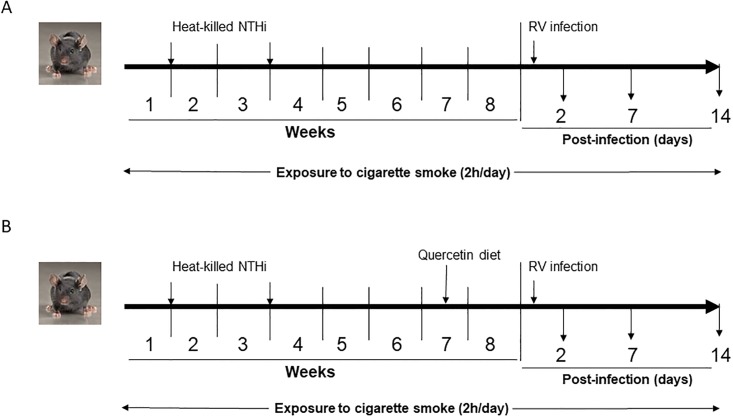
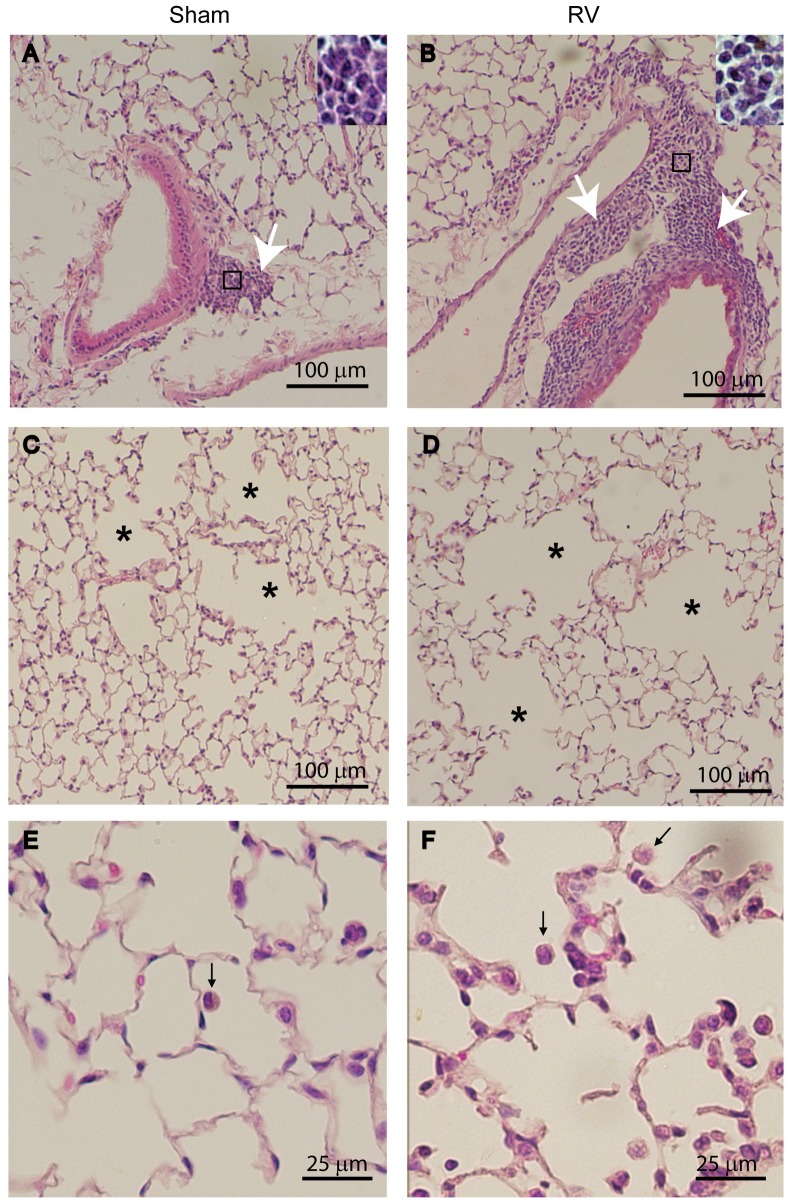
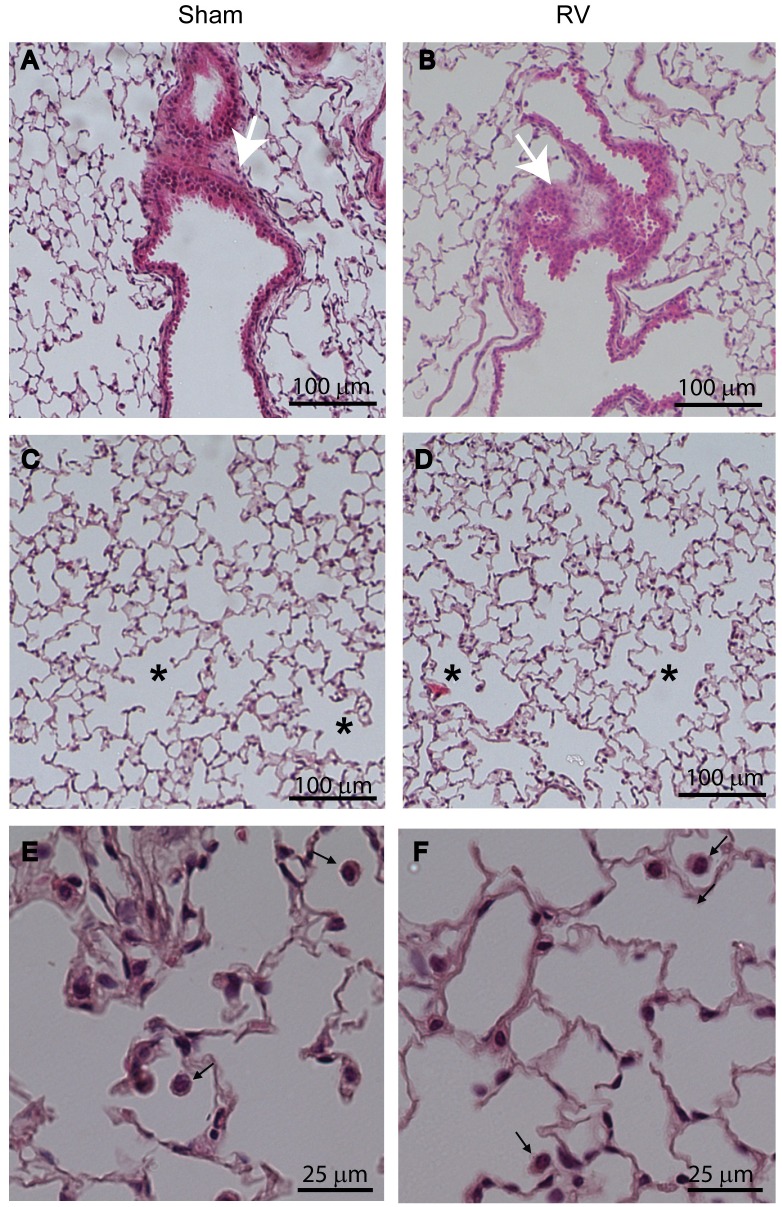
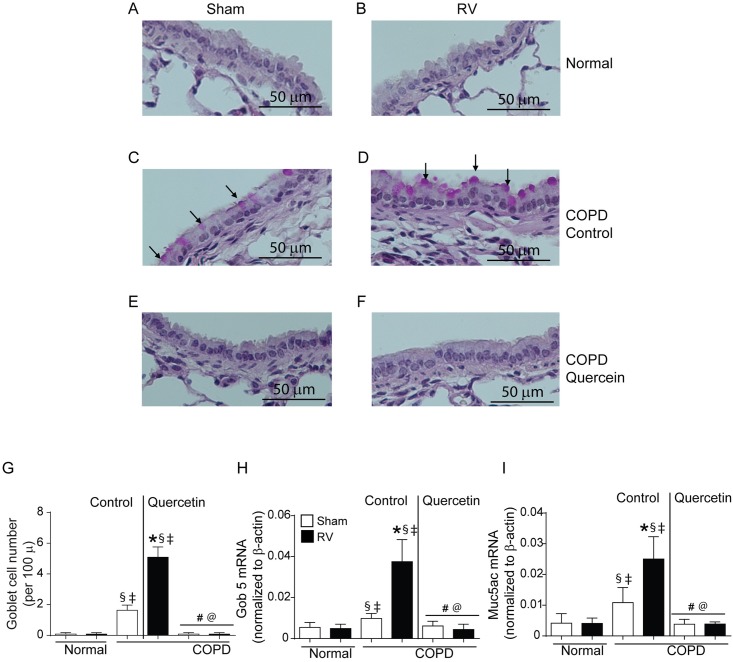
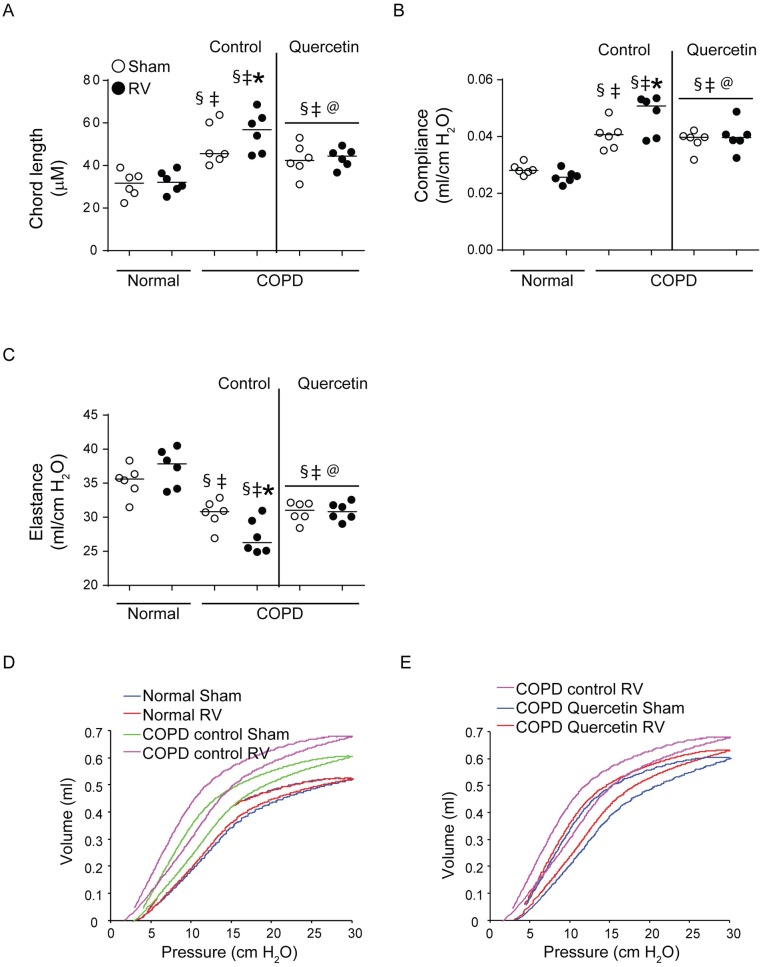
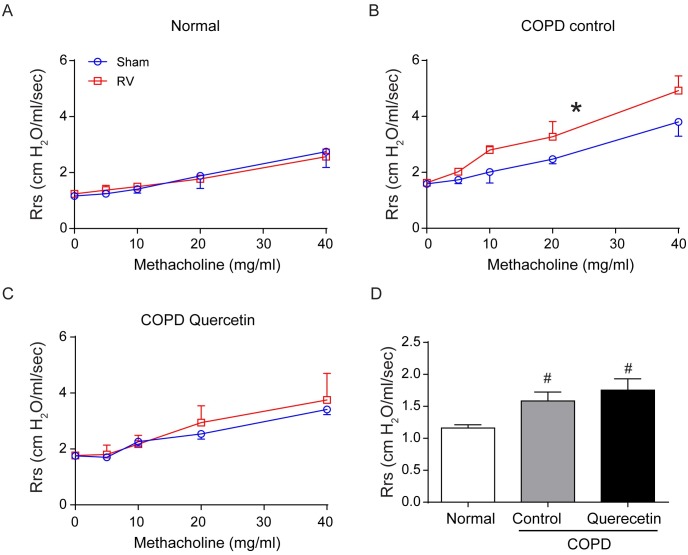
Acute exacerbations are the major cause of morbidity and mortality in patients with chronic obstructive pulmonary disease (COPD). Rhinovirus, which causes acute exacerbations may also accelerate progression of lung disease in these patients. Current therapies reduces the respiratory symptoms and does not treat the root cause of exacerbations effectively. We hypothesized that quercetin, a potent antioxidant and anti-inflammatory agent with antiviral properties may be useful in treating rhinovirus-induced changes in COPD. Mice with COPD phenotype maintained on control or quercetin diet and normal mice were infected with sham or rhinovirus, and after 14 days mice were examined for changes in lung mechanics and lung inflammation. Rhinovirus-infected normal mice showed no changes in lung mechanics or histology. In contrast, rhinovirus-infected mice with COPD phenotype showed reduction in elastic recoiling and increase in lung inflammation, goblet cell metaplasia, and airways cholinergic responsiveness compared to sham-infected mice. Interestingly, rhinovirus-infected mice with COPD phenotype also showed accumulation of neutrophils, CD11b+/CD11c+ macrophages and CD8+ T cells in the lungs. Quercetin supplementation attenuated rhinovirus-induced all the pathologic changes in mice with COPD phenotype. Together these results indicate that quercetin effectively mitigates rhinovirus-induced progression of lung disease in a mouse model of COPD. Therefore, quercetin may be beneficial in the treatment of rhinovirus-associated exacerbations and preventing progression of lung disease in COPD.
Conflict of interest statement
The authors have declared that no competing interests exist.
Figures
References
-
- Donaldson GC, Seemungal TA, Bhowmik A, Wedzicha JA (2002) Relationship between exacerbation frequency and lung function decline in chronic obstructive pulmonary disease. Thorax 57: 847–852. doi: 10.1136/thorax.57.10.847 - DOI - PMC - PubMed
-
- Seemungal TA, Donaldson GC, Paul EA, Bestall JC, Jeffries DJ, Wedzicha JA (1998) Effect of exacerbation on quality of life in patients with chronic obstructive pulmonary disease. Am J Respir Crit Care Med 157: 1418–1422. doi: 10.1164/ajrccm.157.5.9709032 - DOI - PubMed
-
- Langsetmo L, Platt RW, Ernst P, Bourbeau J (2008) Underreporting exacerbation of chronic obstructive pulmonary disease in a longitudinal cohort. Am J Respir Crit Care Med 177: 396–401. doi: 10.1164/rccm.200708-1290OC - DOI - PubMed
-
- Wilkinson TMA, Aris E, Bourne S, Clarke SC, Peeters M, Pascal TG, et al. (2017) A prospective, observational cohort study of the seasonal dynamics of airway pathogens in the aetiology of exacerbations in COPD. Thorax 72: 919–927. doi: 10.1136/thoraxjnl-2016-209023 - DOI - PMC - PubMed
Publication types
MeSH terms
Substances
Grants and funding
LinkOut - more resources
Full Text Sources
Other Literature Sources
Medical
Research Materials
