


Novel proteome and acetylome of Bemisia tabaci Q in response to Cardinium infection
- PMID: 29976144
- PMCID: PMC6034306
- DOI: 10.1186/s12864-018-4907-3
Novel proteome and acetylome of Bemisia tabaci Q in response to Cardinium infection
Abstract
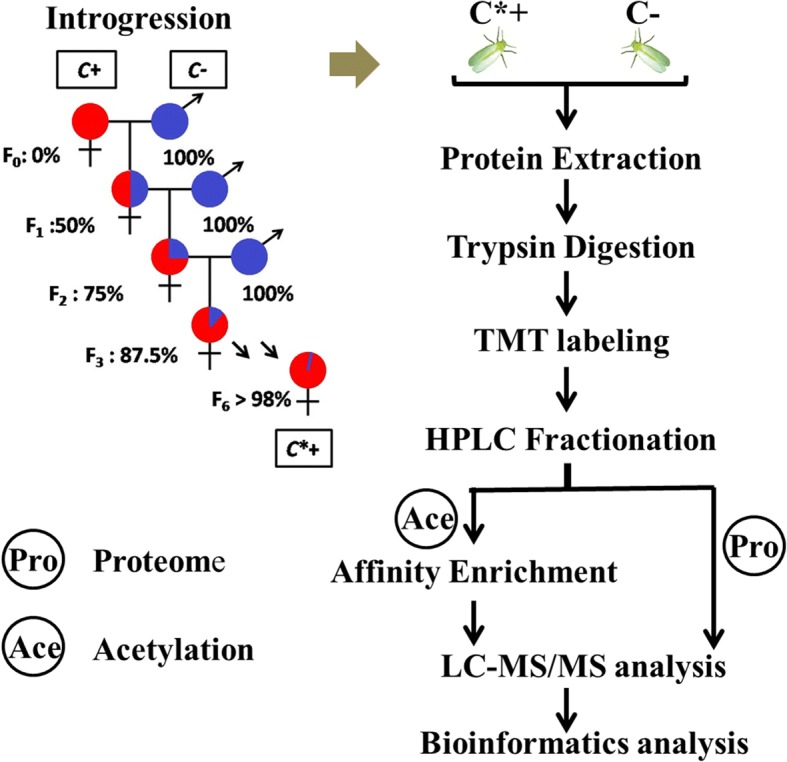
Background: It has become increasingly clear that symbionts have crucial evolutionary and ecological ramifications for their host arthropods. However, little is known whether these symbiont infections influence the proteome and lysine acetylome of their host arthropods. Here we performed experiments to investigate the proteomes and acetylomes of Cardinium-infected (C*+) and -uninfected (C-) Bemisia tabaci Q with identical backgrounds, through the combination of affinity enrichment and high-resolution LC-MS/MS analysis.
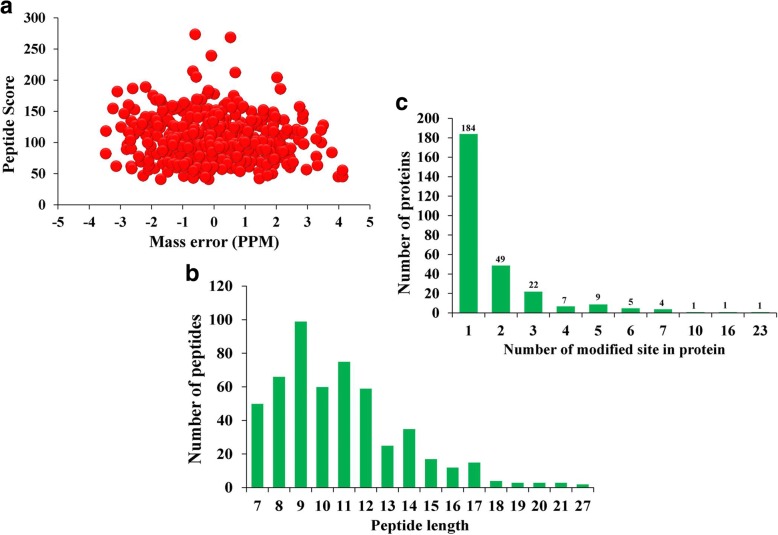
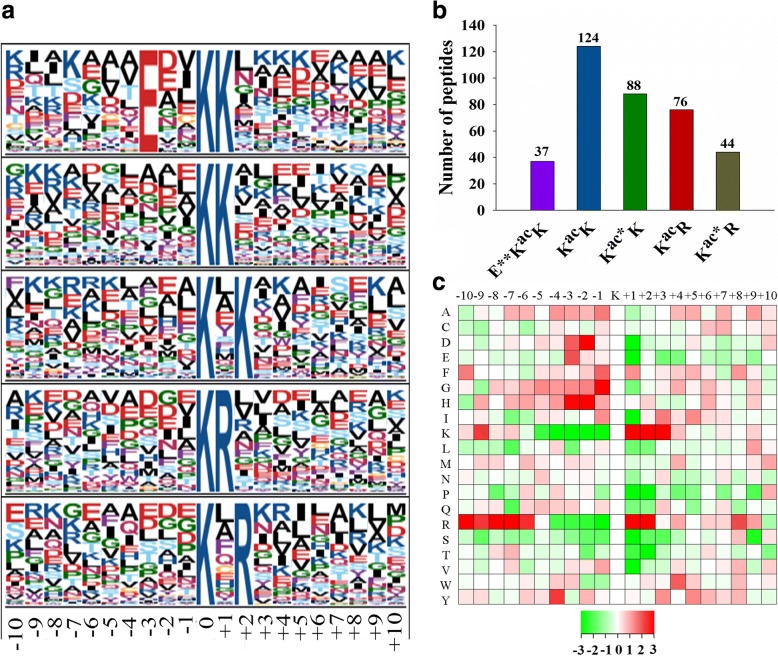
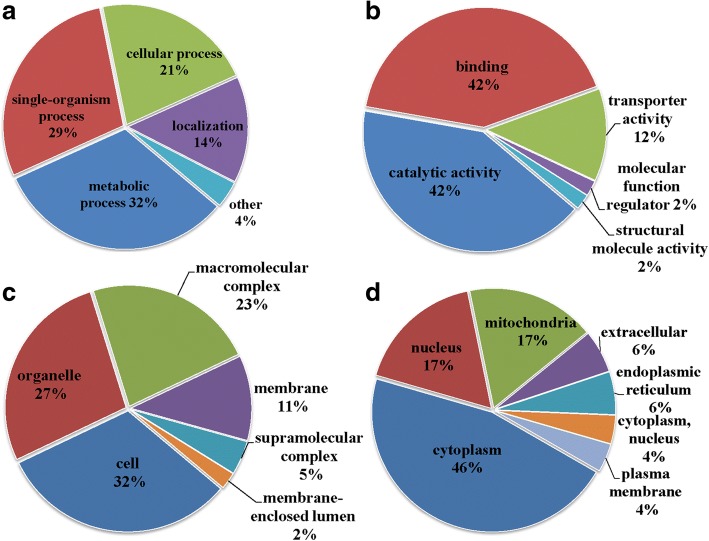
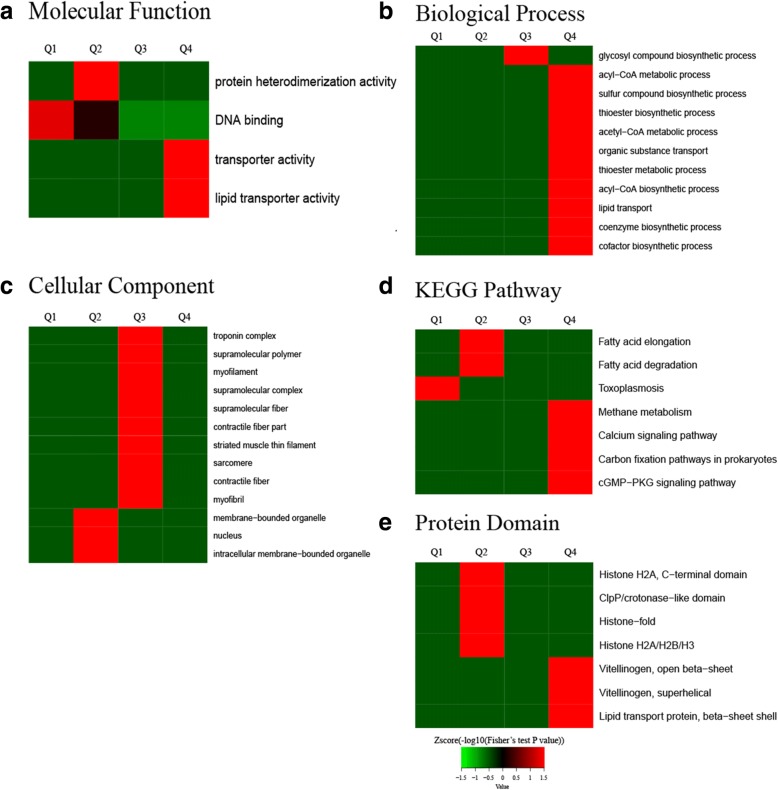
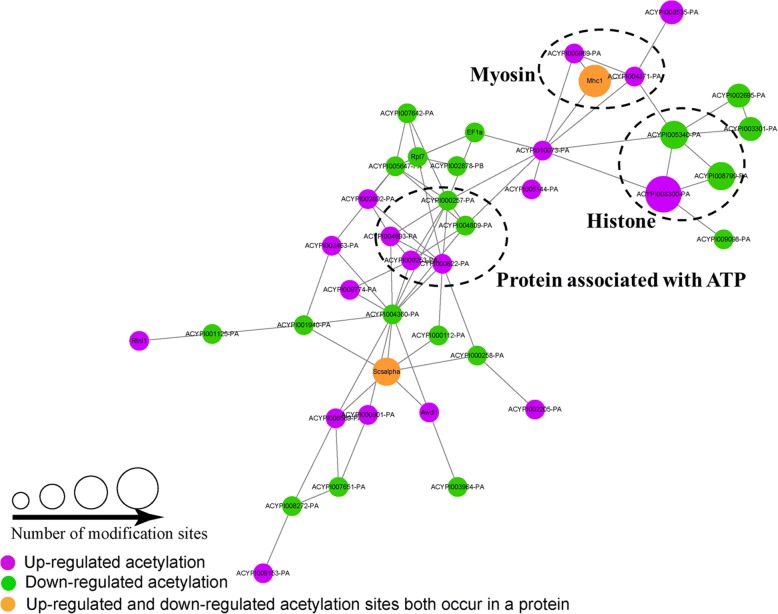
Results: Of the 3353 proteins whose levels were quantitated in proteome, a total of 146 proteins dividing into 77 up-regulated and 69 down-regulated proteins were discovered to be differentially expressed as having at least a 1.2-fold change when C*+ strain was compared with C- strain. Furthermore, a total of 528 lysine acetylation sites in 283 protein groups were identified, among which 356 sites in 202 proteins were quantified. The comparison of acetylomes revealed 30 sites in 26 lysine acetylation proteins (Kac) were quantified as up-regulated targets and 35 sites in 29 Kac proteins were quantified as down-regulated targets. Functional analysis showed that these differentially expressed proteins and Kac proteins were mainly involved in diverse physiological processes related to development, immune responses and energy metabolism, such as retinol metabolism, methane metabolism and fatty acid degradation. Notably, protein interaction network analyses demonstrated widespread interactions modulated by protein acetylation.
Conclusion: Here we show the proteome and acetylom of B. tabaci Q in response to the symbiont Cardinium infection. This is the first study to utilize the tool of acetylome analysis for revealing physiological responses of arthropods to its symbiont infection, which will provide an important resource for exploring the arthropod-symbiont interaction.
Keywords: Acetylomes; Bemisia tabaci Q; Cardinium; Physiological response; Proteomes.
Conflict of interest statement
Ethics approval and consent to participate
The cotton plants variety Lu-Mian-Yan 21 used in this study was produced by Shandong Cotton Research Center, Shandong, China and was widely cultivated in the north of China. The cultivar has been approved by the National Crop Variety Appraisal Committee (Number: 2005011). A voucher specimen of this material has not been deposited in a publicly available herbarium. Experimental research on Lu-Mian-Yan 21, including collection of this plant material, complies with institutional, national and international guidelines.
Consent for publication
Not applicable.
Competing interests
The authors declare that they have no competing interests.
Publisher’s Note
Springer Nature remains neutral with regard to jurisdictional claims in published maps and institutional affiliations.
Figures
References
-
- Engelstädter J, Hurst GDD. The ecology and evolution of microbes that manipulate host reproduction. Annu Rev Ecol Evol Syst. 2009;40:127–149. doi: 10.1146/annurev.ecolsys.110308.120206. - DOI
MeSH terms
Substances
Grants and funding
LinkOut - more resources
Full Text Sources
Other Literature Sources
