Review
. 2018 Aug;17(8):547-558.
doi: 10.1038/nrd.2018.93. Epub 2018 Jul 6.

Principles for targeting RNA with drug-like small molecules

Affiliations
Review

Principles for targeting RNA with drug-like small molecules

Katherine Deigan Warner et al. Nat Rev Drug Discov. 2018 Aug.

Abstract

RNA molecules are essential for cellular information transfer and gene regulation, and RNAs have been implicated in many human diseases. Messenger and non-coding RNAs contain highly structured elements, and evidence suggests that many of these structures are important for function. Targeting these RNAs with small molecules offers opportunities to therapeutically modulate numerous cellular processes, including those linked to 'undruggable' protein targets. Despite this promise, there is currently only a single class of human-designed small molecules that target RNA used clinically - the linezolid antibiotics. However, a growing number of small-molecule RNA ligands are being identified, leading to burgeoning interest in the field. Here, we discuss principles for discovering small-molecule drugs that target RNA and argue that the overarching challenge is to identify appropriate target structures - namely, in disease-causing RNAs that have high information content and, consequently, appropriate ligand-binding pockets. If focus is placed on such druggable binding sites in RNA, extensive knowledge of the typical physicochemical properties of drug-like small molecules could then enable small-molecule drug discovery for RNA targets to become (only) roughly as difficult as for protein targets.


Conflict of interest statement

K.M.W. is an adviser to and holds equity in Ribometrix. K.D.W. and C.E.H. are employees of Ribometrix.

Figures
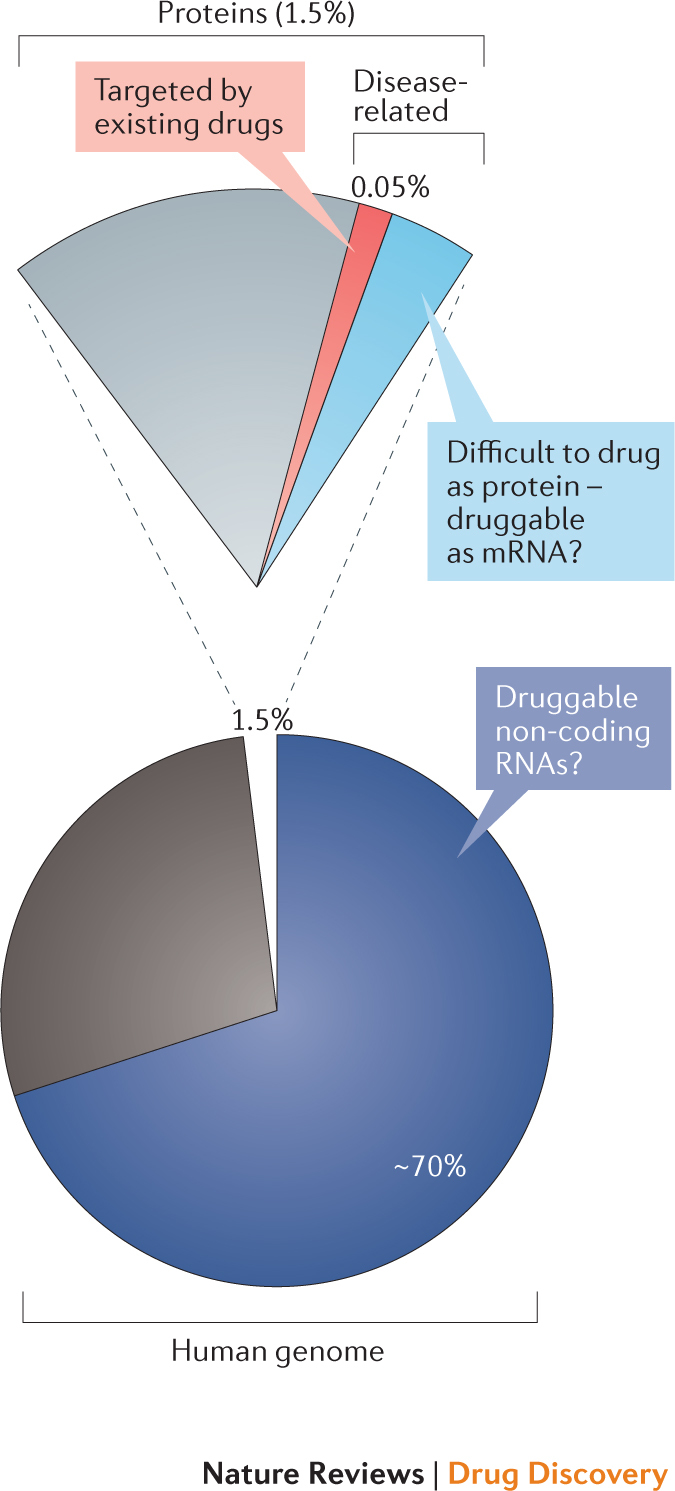
Figure 1
Figure 1. The potential RNA-targeted druggable genome.
Only a small fraction of the human genome has been successfully drugged to date. As shown in the pie chart, only ~1.5% of the genome encodes proteins (corresponding to ~20,000 proteins),. As shown in the expanded pie segment above, an estimated 10–15% of proteins are thought to be disease-related,, (~2,000–3,000 proteins; encoded by 0.2% of the genome). Currently approved drugs interact therapeutically with <700 of these proteins (encoded by 0.05% of the human genome). Targeting RNAs could expand on the proportion of the human genome that could be therapeutically targeted. Possible RNA targets include mRNAs that encode disease-related proteins that have been characterized as undruggable or difficult to drug (shown in light blue in the pie segment) and also non-coding RNAs that influence disease (corresponding to an unknown proportion of the ~70% of the genome that encodes non-coding RNAs). PowerPoint slide
Figure 2
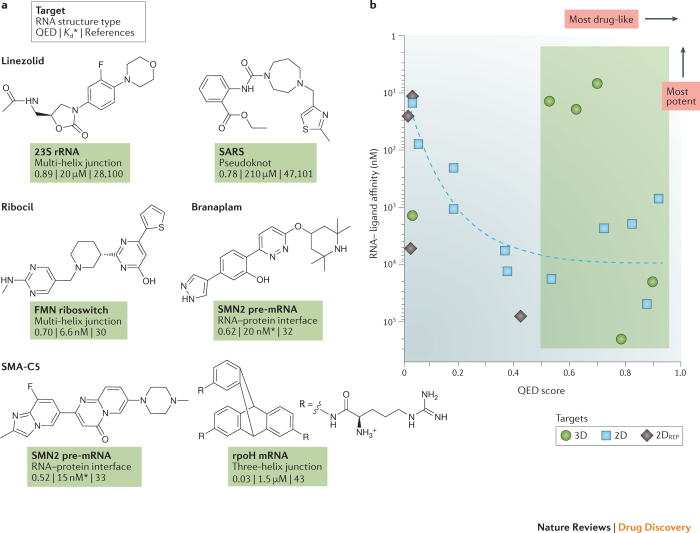
Figure 2. Instructional examples of bioactive small molecules that bind to RNA.
a | Molecules that bind RNA tertiary structures. Molecules are listed by their quantitative estimate of drug-likeness (QED) score (Box 1), with the most drug-like molecules towards the top and towards the left if the molecules are on the same row. The equilibrium dissociation constant (Kd) is listed for most molecules; if no Kd was available, the median inhibitory concentration (IC50) is provided instead (indicated by an asterisk). Molecular properties were calculated with SilicosIT. b | Relationship between QED scores and RNA binding affinity. Molecules targeting tertiary structures (shown in this figure; 3D targets) and those targeting secondary and repeat structures (from Fig. 3; 2D and 2DREP targets) are shown as circles, squares and diamonds, respectively. The green box highlights the region where most (five out of six) molecules that target RNA tertiary structures fall. The dashed blue curve highlights a trend for molecules targeting RNA secondary structures and repeat sequences: molecules with greater potency tend to have lower drug-likeness. FMN, flavin mononucleotide; rRNA, ribosomal RNA; SMN2, survival motor neuron protein. PowerPoint slide
Figure 3
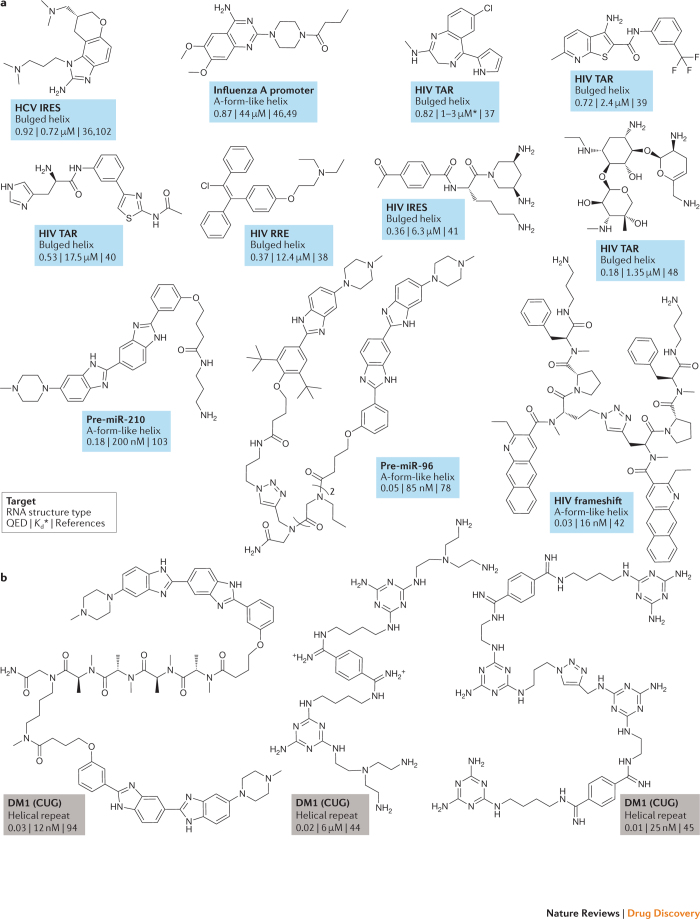
Figure 3. Instructional examples of bioactive small molecules that bind RNA secondary structures.
Molecules that bind RNA secondary structures (part a) and trinucleotide repeats (part b). Molecules are listed by their quantitative estimate of drug-likeness (QED) score, with the most drug-like molecules towards the top and towards the left if the molecules are on the same row. The equilibrium dissociation constant (Kd) is listed for most molecules; if no Kd was available, the median inhibitory concentration (IC50) is provided instead (indicated by an asterisk). HCV IRES, hepatitis C virus internal ribosome entry site; Kd, equilibrium dissociation constant; pre-miR, pre-microRNA; RRE, Rev response element; TAR, transactivation response. PowerPoint slide
Figure 4
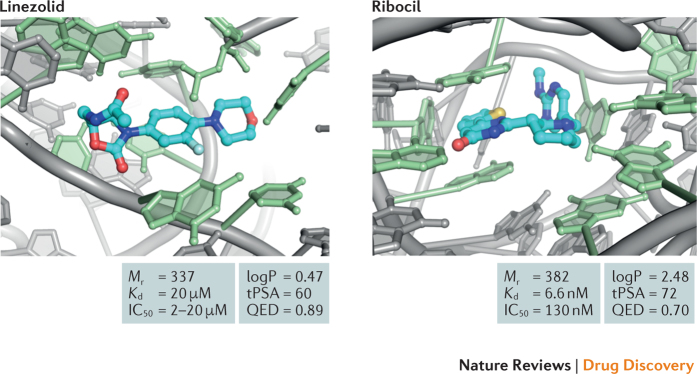
Figure 4. Drug-like molecules specifically targeting RNA.
Both linezolid and ribocil have high quantitative estimate of drug-likeness (QED) scores and are bound within cleft-like sites, composed of first-sphere nucleotides in contact with the ligand (green) supported by second-sphere nucleotides (grey). These motifs have high information content. IC50, median inhibitory concentration; Kd, equilibrium dissociation constant; logP, octanol–water partition coefficient; Mr, relative molecular mass; tPSA, total polar surface area. PowerPoint slide
Figure 5
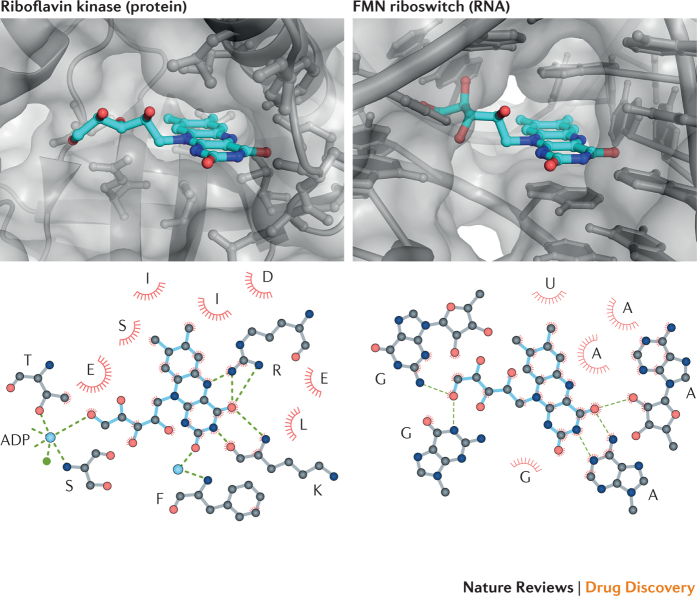
Figure 5. RNA and protein recognition of the same riboflavin ligand.
Molecular interactions of riboflavin (blue) with riboflavin kinase protein (Protein Data Bank (PDB) identifier: inb9) (left) and flavin mononucleotide (FMN) riboswitch RNA (PDB ID: 3f4g) (right). Hydrogen bonds are shown with green dashed lines, and van der Waals and stacking interactions are emphasized with red arcs. Water molecules and metal ions are shown as cyan and green spheres, respectively. Riboflavin has a molecular mass of 376 Da, an octanol–water partition coefficient of −0.76, a total polar surface area of 162 and a quantitative estimate of drug-likeness score of 0.33. Bottom images were initially drafted with LigPlot+. PowerPoint slide
Figure 6
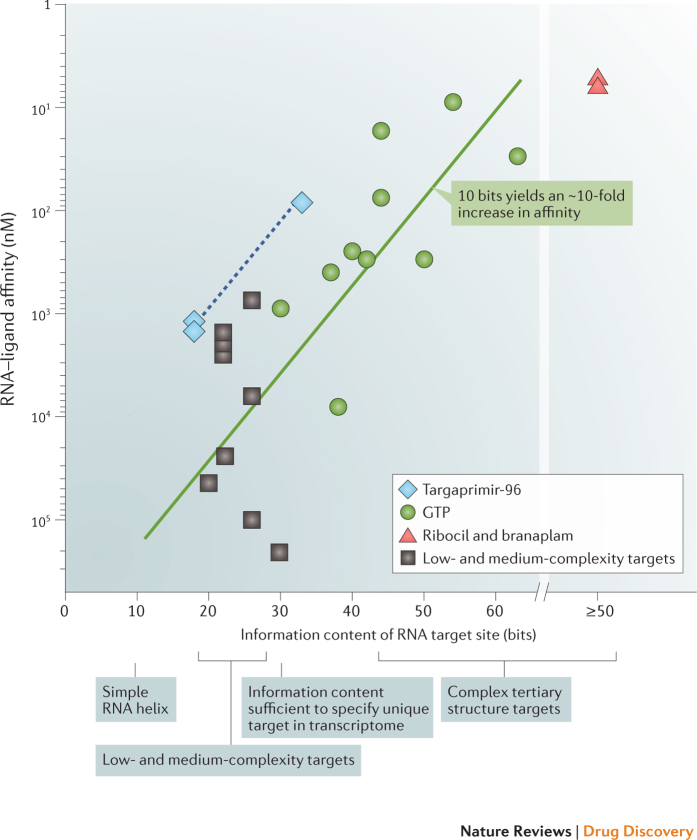
Figure 6. Relationship between information content and specificity and binding affinity.
The solid and dashed lines show the relationship between RNA target information content and binding affinity for GTP (circles) and targaprimir-96 (diamonds) (based on data from Refs 73, 78). Simple helices are assigned 9 ± 2 bits of information. Ribocil and branaplam are estimated to have ≥50 bits of information and are placed on a separate scale on the right. Binding data for low- and medium-complexity targets (squares) are from the following: influenza A promoter stem-loop (20 bits), transactivation response (TAR) (22 bits),,,, hepatitis C virus internal ribosome entry site (HCV IRES) bulged-stem (26 bits),, and severe acute respiratory syndrome (SARS) pseudoknot (30 bits),. PowerPoint slide
Figure 7
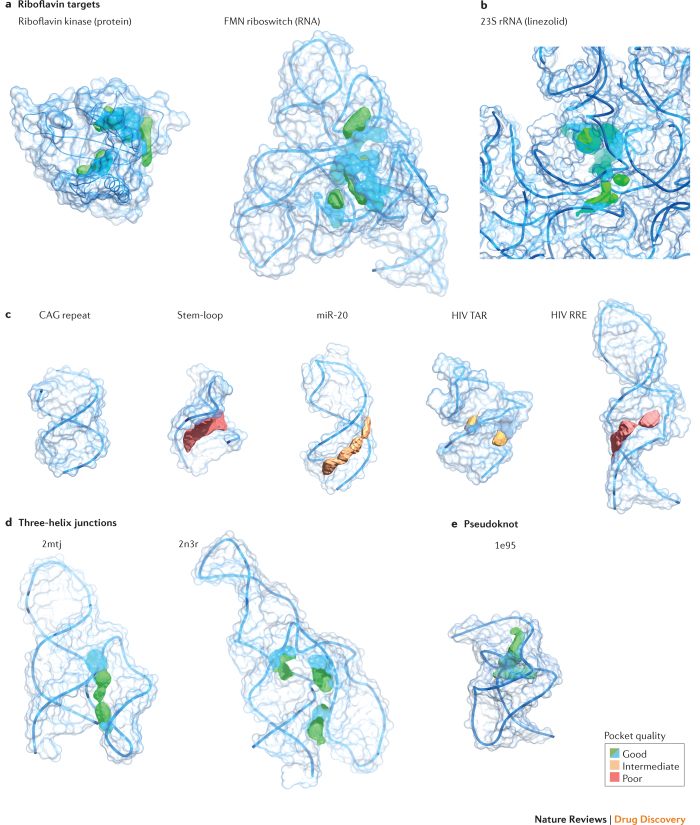
Figure 7. Pocket analysis of current and aspirational RNA targets.
Structures are coloured by pocket quality, with larger and more buried pockets ranking higher. a | Riboflavin binding pockets for protein (Protein Data Bank (PDB) identifier: 1nb9) and RNA (PDB ID: 3f4g) targets. Macromolecular targets are the same as those shown in Fig. 5. b | Pocket for linezolid in the Escherichia coli 23S ribosomal RNA (rRNA) (PDB ID: 3dll). c | Ligand-binding pockets in representative low-to-medium-complexity targets including a CAG helical repeat (PDB ID: 4j50), stem-loop (PDB ID: 1oq0), microRNA (miR; PDB ID: 2n7x) and HIV transactivation response (TAR) (PDB ID: 1qd3) and Rev response element (RRE) (PDB ID: 1i9f). d,e | Potential ligand-binding pockets in high complexity sites: three-helix junctions (PDB ID: 2mtj and 2n3r), and the simian retrovirus type 1 (SRV-1) pseudoknot (PDB ID: 1e95). Pocket qualities were calculated using Pocket-Finder, as part of the MolSoft package. FMN, flavin mononucleotide. PowerPoint slide

References

    1. Clamp M. Distinguishing protein-coding and noncoding genes in the human genome. Proc. Natl Acad. Sci. USA. 2007;104:19428–19433. doi: 10.1073/pnas.0709013104. - DOI - PMC - PubMed
    1. Ezkurdia I. Multiple evidence strands suggest that there may be as few as 19,000 human protein-coding genes. Hum. Mol. Genet. 2014;23:5866–5878. doi: 10.1093/hmg/ddu309. - DOI - PMC - PubMed
    1. Hopkins AL, Groom CR. The druggable genome. Nat. Rev. Drug Discov. 2002;1:727–730. doi: 10.1038/nrd892. - DOI - PubMed
    1. Overington JP, Al-Lazikani B, Hopkins AL. How many drug targets are there? Nat. Rev. Drug Discov. 2006;5:993–996. doi: 10.1038/nrd2199. - DOI - PubMed
    1. Dixon SJ, Stockwell BR. Identifying druggable disease-modifying gene products. Curr. Opin. Chem. Biol. 2009;13:549–555. doi: 10.1016/j.cbpa.2009.08.003. - DOI - PMC - PubMed

Publication types