


The appropriate management algorithm for diabetic foot: A single-center retrospective study over 12 years
- PMID: 29979449
- PMCID: PMC6076129
- DOI: 10.1097/MD.0000000000011454
The appropriate management algorithm for diabetic foot: A single-center retrospective study over 12 years
Abstract
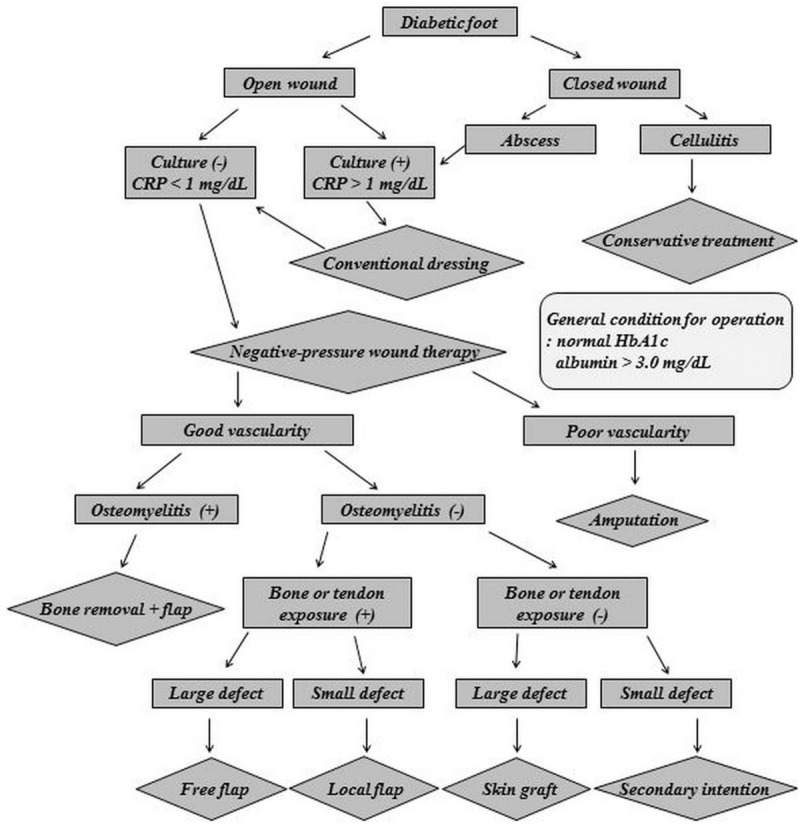
Background: Diabetic foot management is a challenge for reconstructive surgeons because it combines dramatically decreased circulation and chronic infection. The goal of managing this condition is to maximize viable tissue; however, unsatisfactory results, such as extremity amputation, are unavoidable in some cases. For appropriate management, thorough understanding of diabetic foot and the phased approach to its management is needed. The purpose of this study is to introduce an optimal algorithm for diabetic foot management by analyzing cases >12 years.
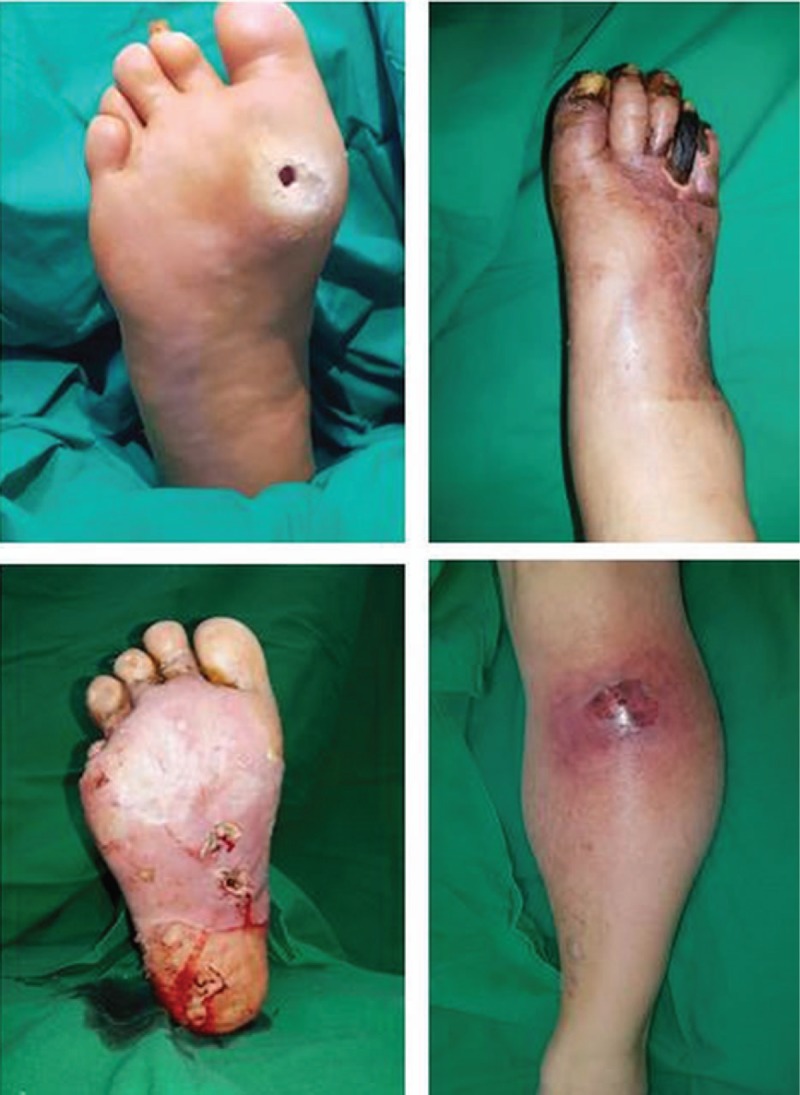
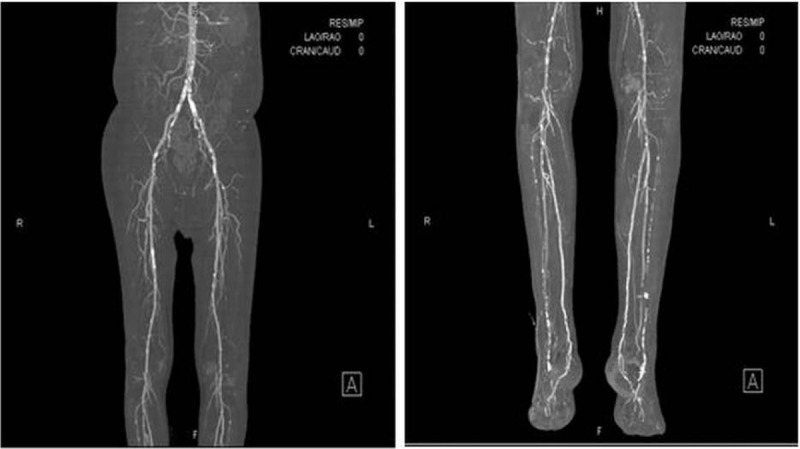
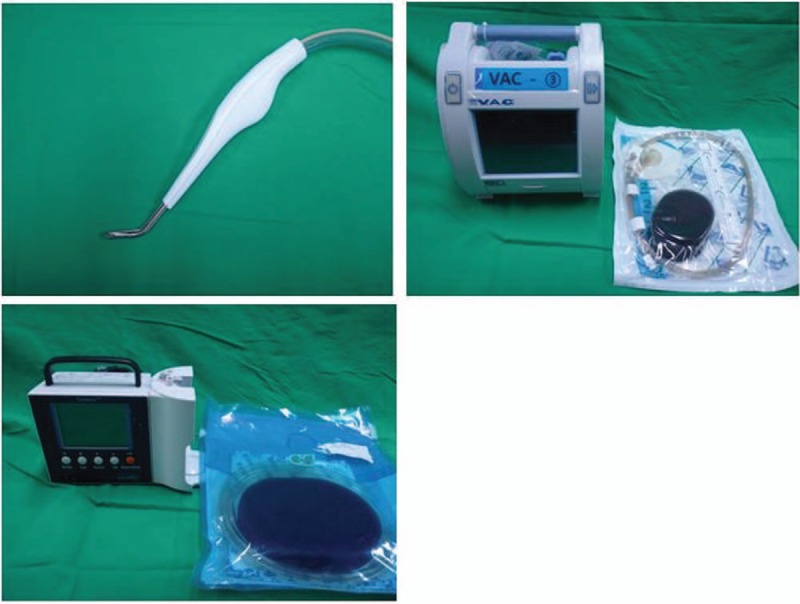
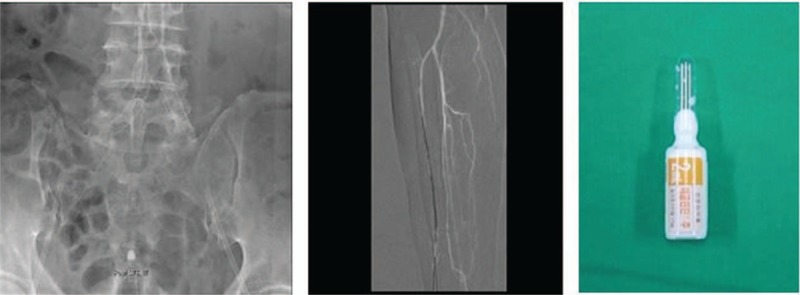
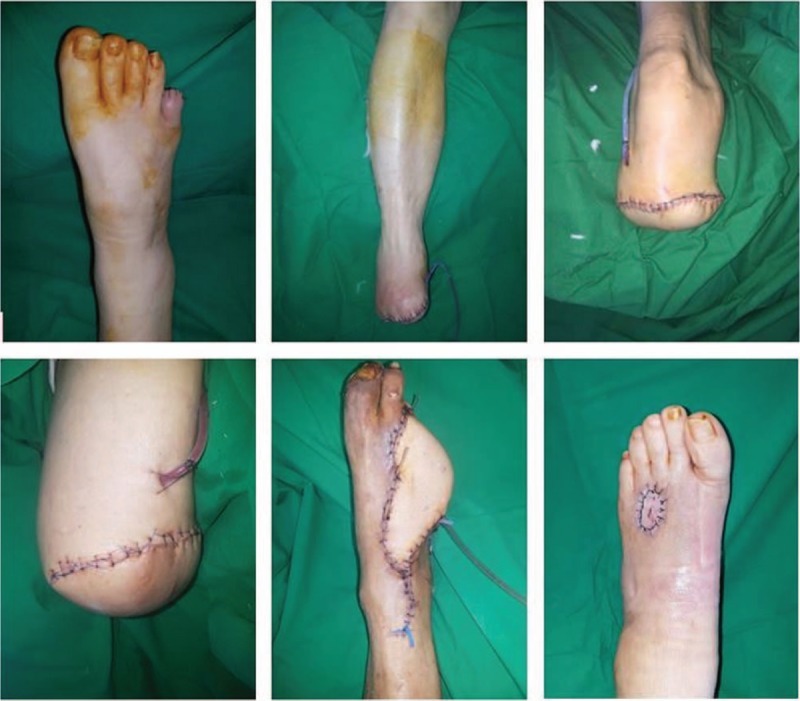
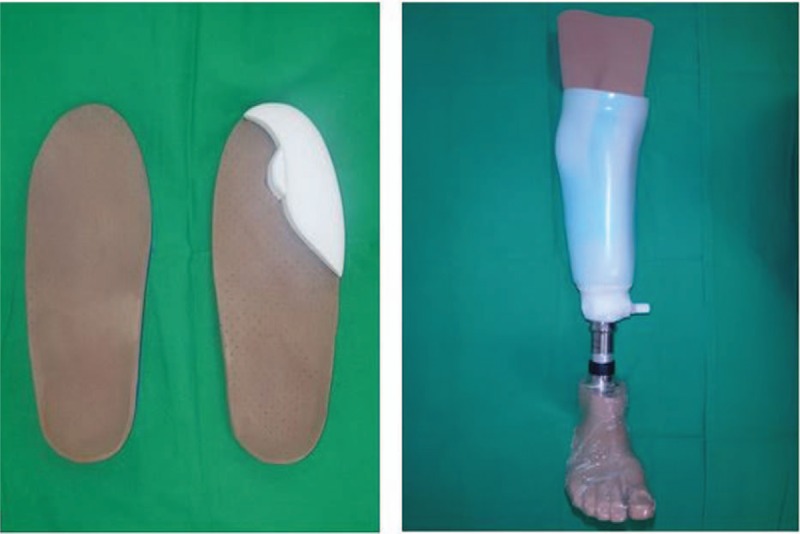
Methods: A total of 274 patients with diabetic foot at Hanyang University Guri Hospital from 2005 to 2017 were reviewed. The management process was divided into 5 steps: patient evaluation, wound preparation, improving vascularity, surgery and dressing, and rehabilitation. Patient evaluation included a microbial culture, evaluation of vascularity, and an osteomyelitis assessment. During wound preparation, debridement and negative-pressure wound therapy were performed. Vascularity was improved by radiological intervention or surgical method. Surgery and dressing were performed depending on the indications. Rehabilitation was started after complete wound healing.
Results: An infection was confirmed in 213 of 263 patients (81.0%). Of 74 cases in which a vascular study was performed, 83.8% showed arterial occlusion. When surgery was performed with complete eradication of the infection in 155 patients, the rate of revision surgery was 20.6%. The revision rate after surgery with a remnant infection of 66 patients was 40.9% (P = .0003). When surgery was performed after successful revascularization for improving blood flow of 47 patients, the rate of revision surgery was 21.3%. In contrast, the revision rate after surgery with unsuccessful or no revascularization of 174 patients was 28.2% (P = .359).
Conclusion: Diabetic foot is a debilitating disease arising from multifactorial process. As its management is complex, a comprehensive but accessible treatment algorithm is needed for successful results. For this reason, the appropriate algorithm for diabetic foot management introduced in this study is significant.
Conflict of interest statement
The authors have no funding and conflicts of interest to disclose.
Figures
References
-
- Allen LL, Kalmar G, Driver VR. Treatment of a high-risk diabetic patient with peripheral vascular disease and osteomyelitis. Tech Vasc Interv Radiol 2016;19:96–100. - PubMed
-
- Dolan NC, Liu K, Criqui MH, et al. Peripheral artery disease, diabetes, and reduced lower extremity functioning. Diabetes Care 2002;25:113–20. - PubMed
-
- Bouton AJ, Vileikyte L, Ragnarson-Tennvall G, et al. The global burden of diabeteic foot disease. Lancet 2005;366:1719–24. - PubMed
-
- Acar E, Kacıra BK. Predictors of lower extremity amputation and reamputation in the diabetic foot. J Foot Ankle Surg 2017;56:1218–22. - PubMed
-
- Lipsky BA, Berendt AR, Deery HG, et al. Diagnosis and treatment of diabetic foot infections. Plast Reconstr Surg 2006;117:212S–38S. - PubMed
Publication types
MeSH terms
LinkOut - more resources
Full Text Sources
Other Literature Sources
Medical
Research Materials
