Seminal reactive oxygen species and total antioxidant capacity: Correlations with sperm parameters and impact on male infertility
- PMID: 29984209
- PMCID: PMC6030612
- DOI: 10.5653/cerm.2018.45.2.88
Seminal reactive oxygen species and total antioxidant capacity: Correlations with sperm parameters and impact on male infertility
Abstract
Objective: The aim of this study was to measure reactive oxygen species (ROS) production and total antioxidant capacity (TAC) in the seminal fluid of the male partners in couples undergoing intrauterine insemination and to evaluate correlations between these values and their semen parameters.
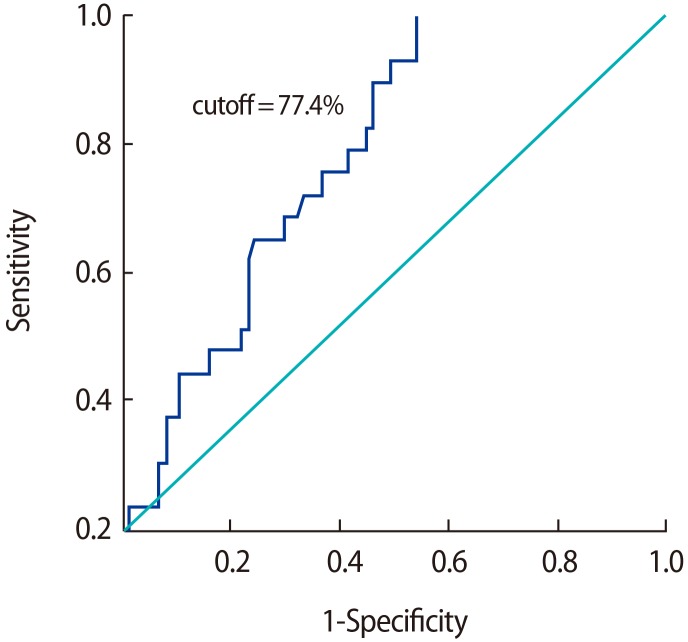
Methods: The study was conducted at Vamsam Fertility Center, Coimbatore, India and enrolled 110 male patients from whom semen samples were collected. ROS production was measured by a thiobarbituric acid reactive species assay, and TAC was measured by a 2,2-diphenyl-2-picrylhydrazyl free radical assay. The differences in the TAC and malondialdehyde (MDA) levels between the subfertile and fertile groups were analysed. Correlations between sperm parameters and TAC and MDA levels were statistically analysed, and cutoff values with respect to the controls were determined. All hypothesis tests used were two-tailed, with statistical significance assessed at the level of p<0.05.
Results: A total of 87 subfertile and 23 fertile men were included in the study. The mean MDA level was significantly higher in the subfertile subjects than in the fertile subjects, and the mean antioxidant level was significantly lower in the subfertile subjects than in the fertile subjects. Seminal MDA levels were negatively associated with sperm concentration, motility, and morphology, whereas the opposite was seen with TAC levels.
Conclusion: Measurements of seminal TAC and ROS are valuable for predicting semen quality, and hence predicting the outcomes of fertility treatment.
Keywords: Male infertility; Reactive oxygen species; Sperm count; Sperm morphology; Sperm motility.
Conflict of interest statement
Conflict of interest: No potential conflict of interest relevant to this article was reported.
Figures
References
-
- Ombelet W, Bosmans E, Janssen M, Cox A, Vlasselaer J, Gyselaers W, et al. Semen parameters in a fertile versus subfertile population: a need for change in the interpretation of semen testing. Hum Reprod. 1997;12:987–993. - PubMed
-
- Tomlinson MJ, Kessopoulou E, Barratt CL. The diagnostic and prognostic value of traditional semen parameters. J Androl. 1999;20:588–593. - PubMed
-
- Gavriliouk D, Aitken RJ. Damage to sperm DNA mediated by reactive oxygen species: its impact on human reproduction and the health trajectory of offspring. Adv Exp Med Biol. 2015;868:23–47. - PubMed
-
- Aitken RJ, Gibb Z, Baker MA, Drevet J, Gharagozloo P. Causes and consequences of oxidative stress in spermatozoa. Reprod Fertil Dev. 2016;28:1–10. - PubMed
LinkOut - more resources
Full Text Sources
Other Literature Sources