


Characterization of developmental and molecular factors underlying release heterogeneity at Drosophila synapses
- PMID: 29989549
- PMCID: PMC6075867
- DOI: 10.7554/eLife.38268
Characterization of developmental and molecular factors underlying release heterogeneity at Drosophila synapses
Abstract
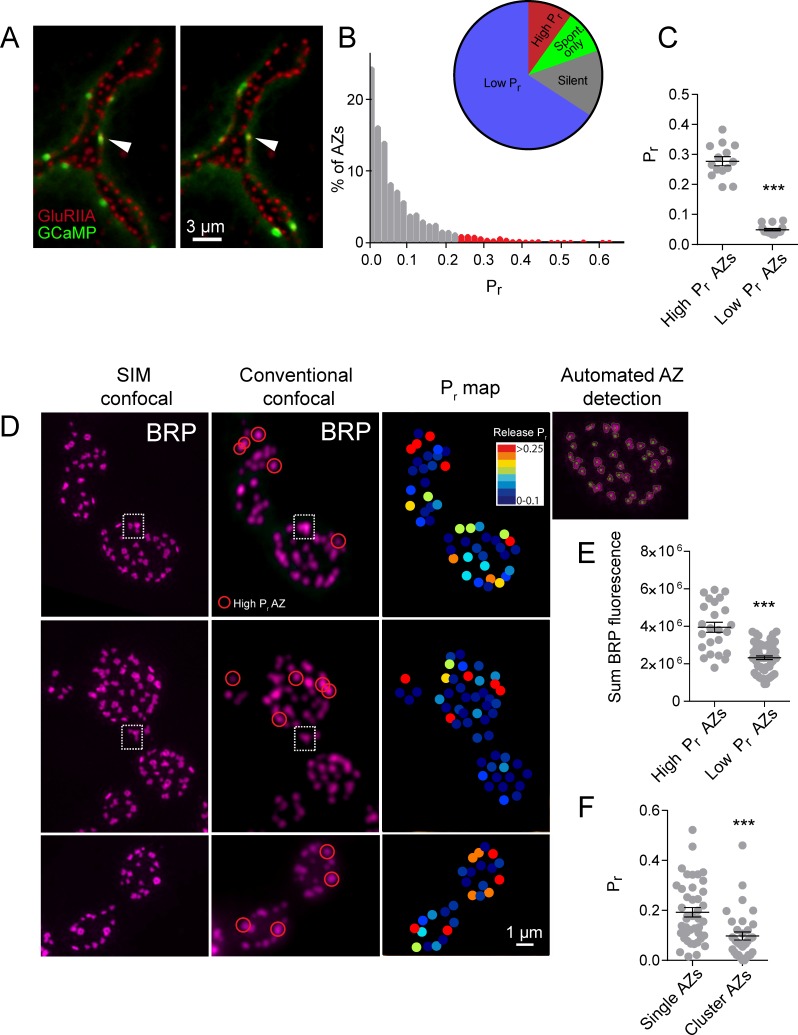
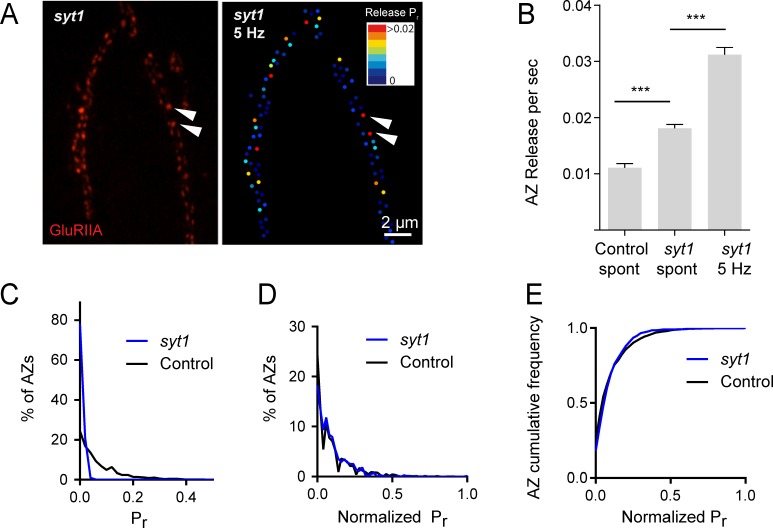
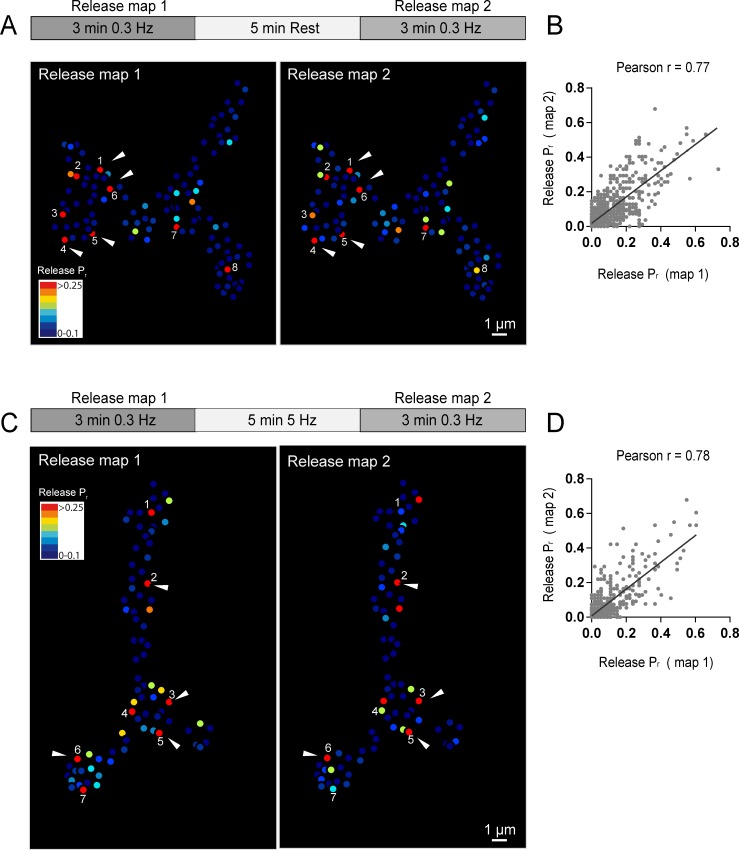
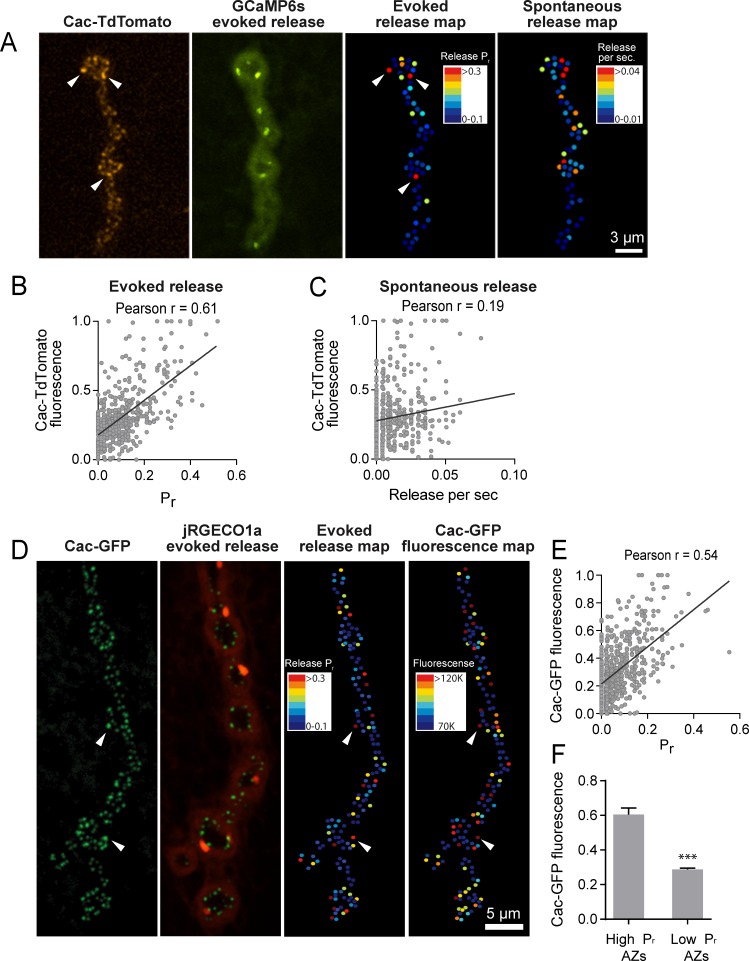
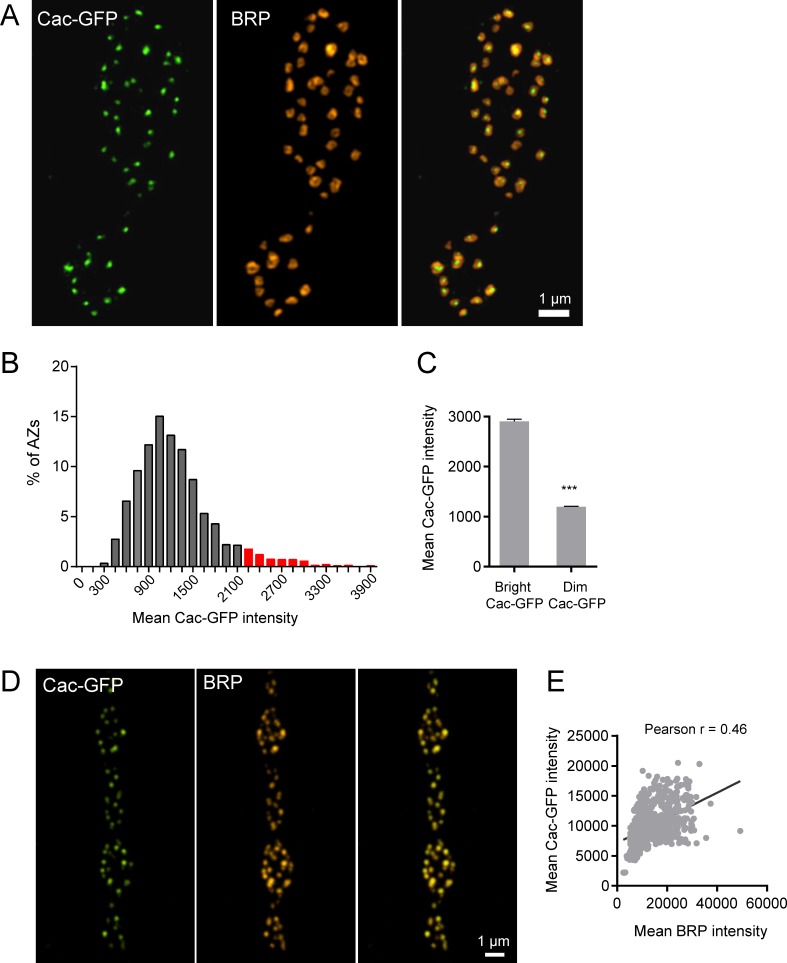
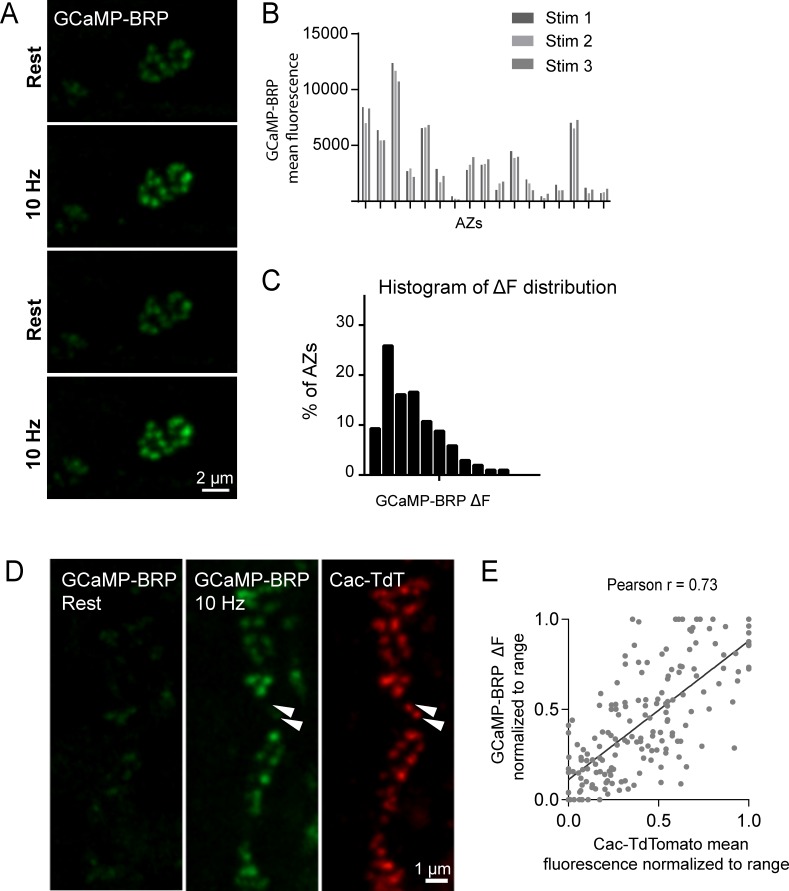
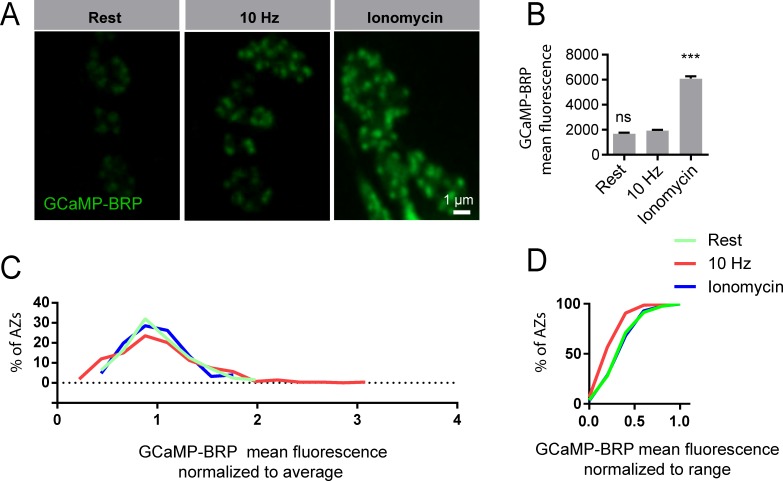
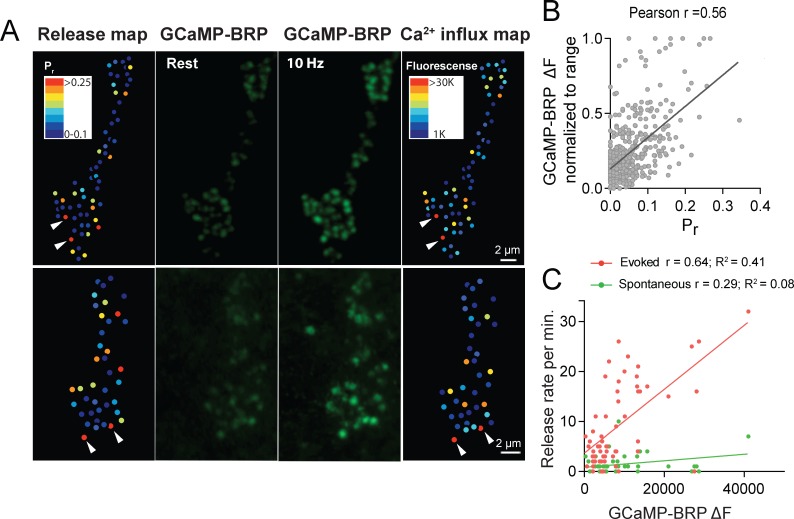
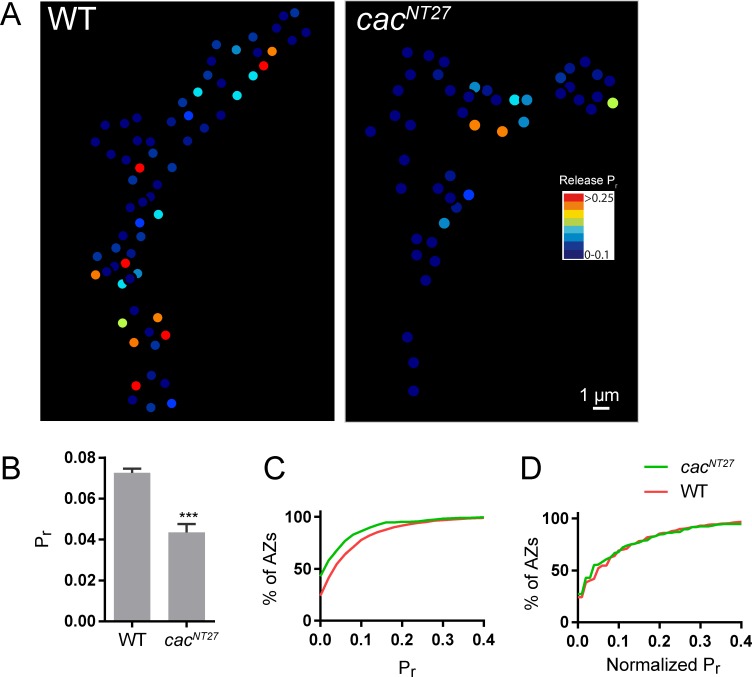
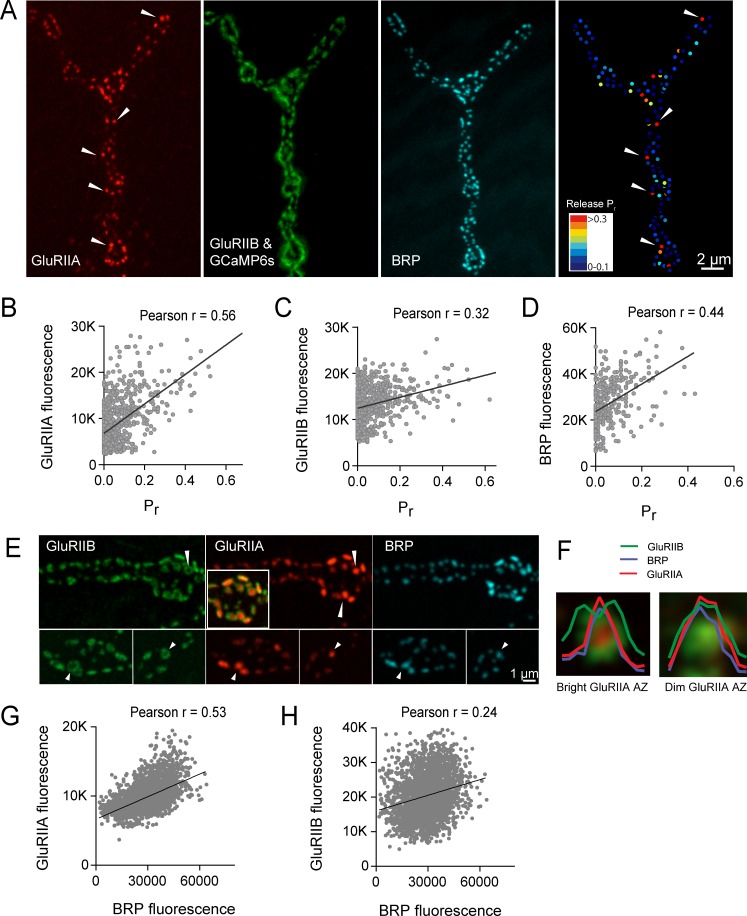
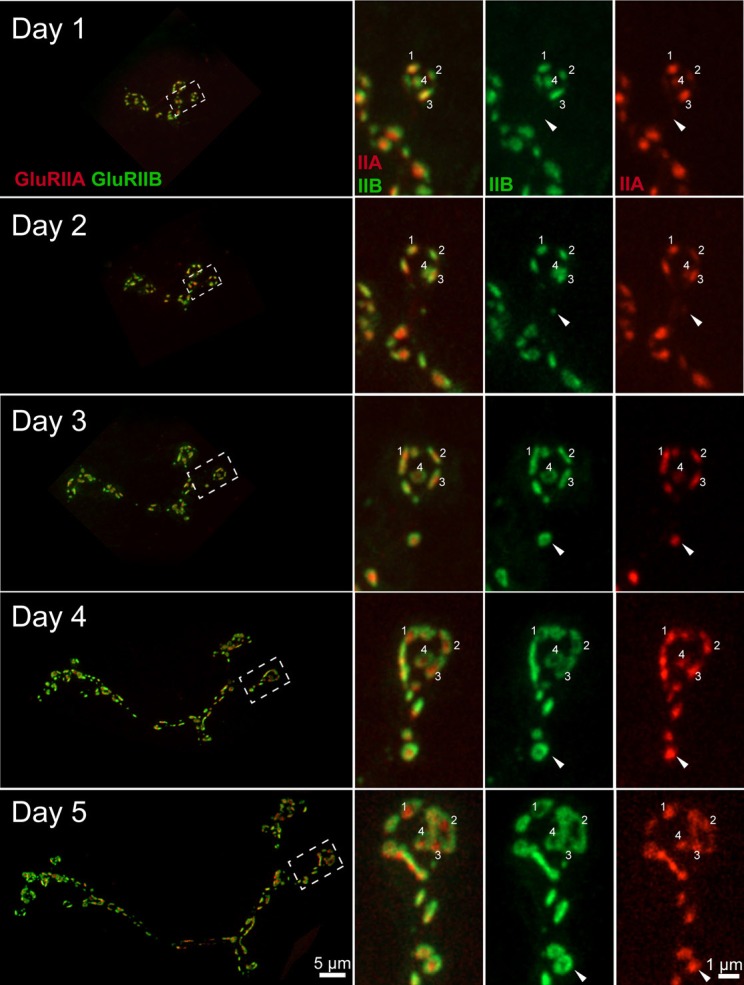
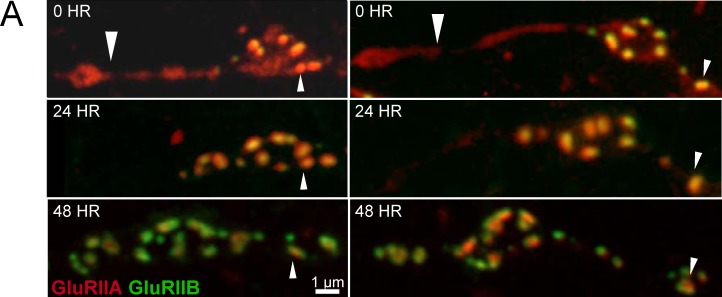
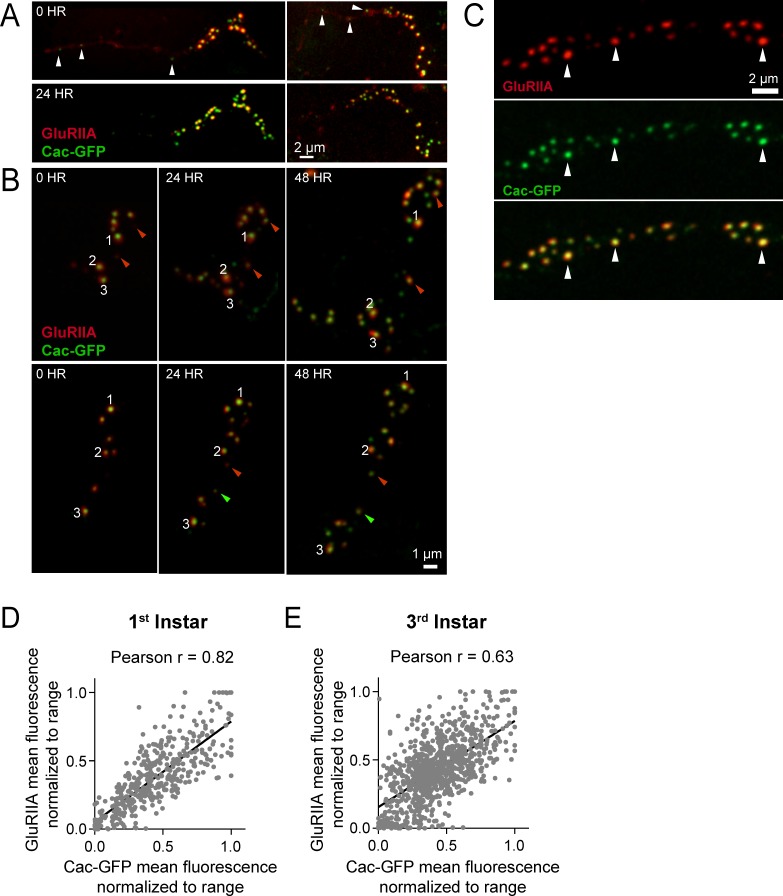
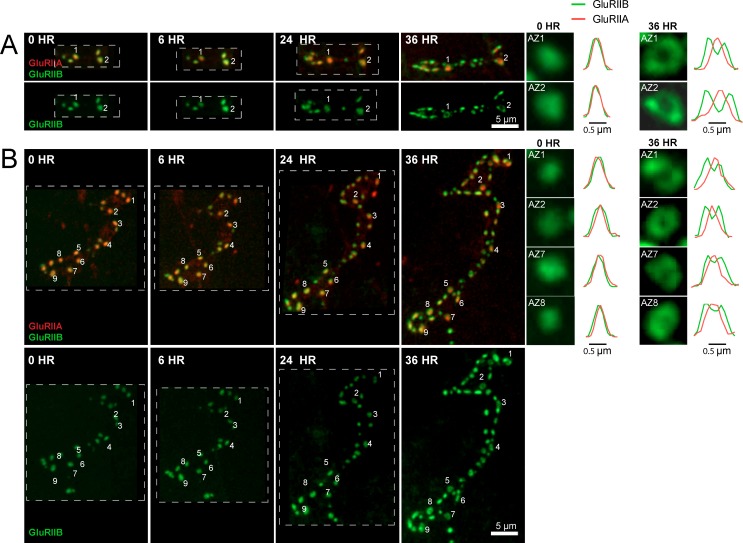
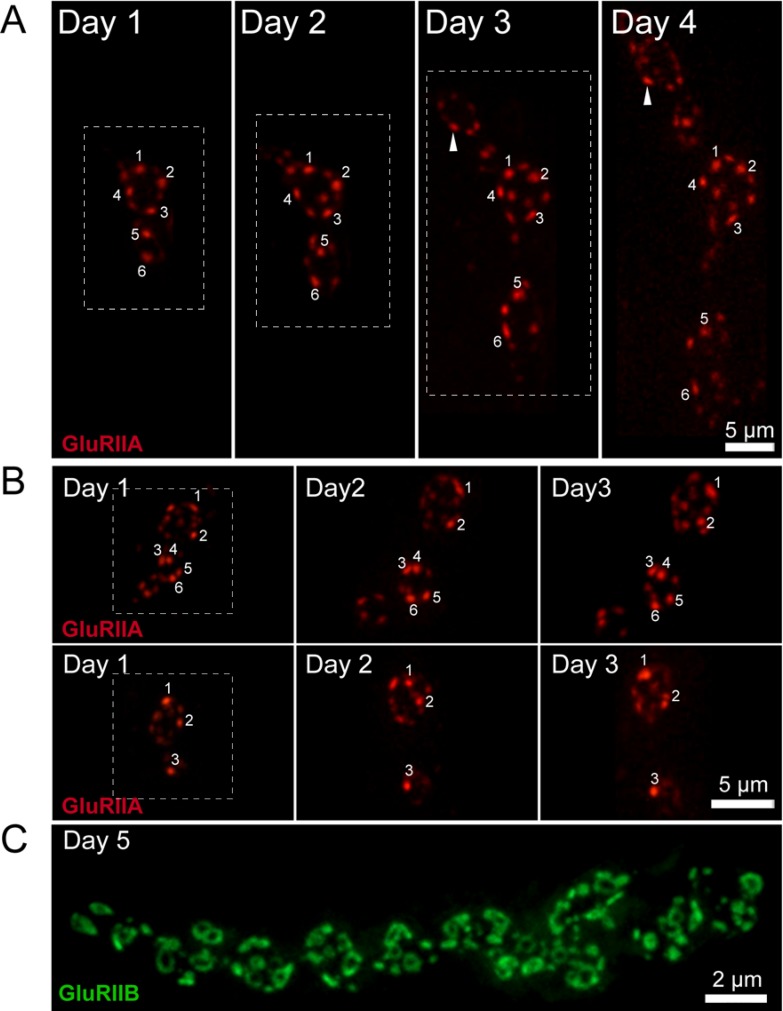
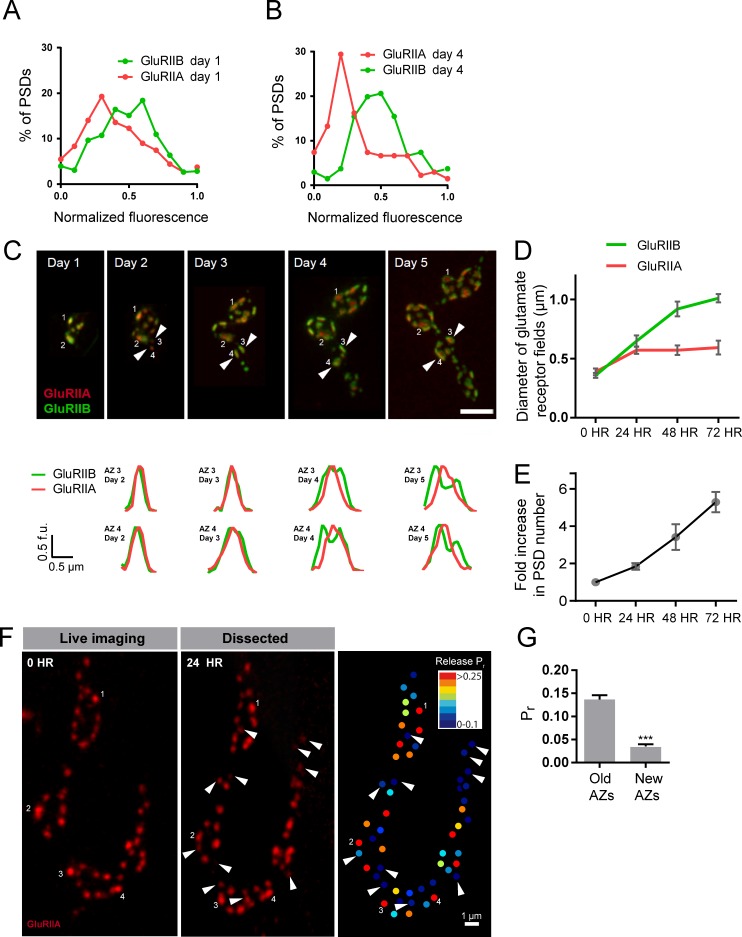
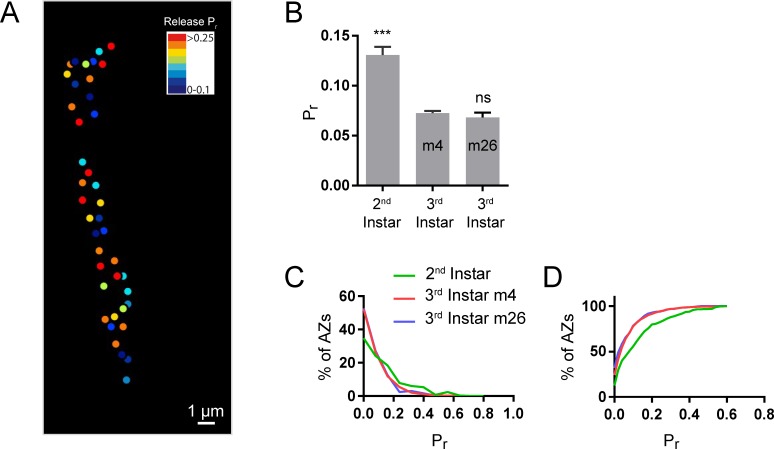
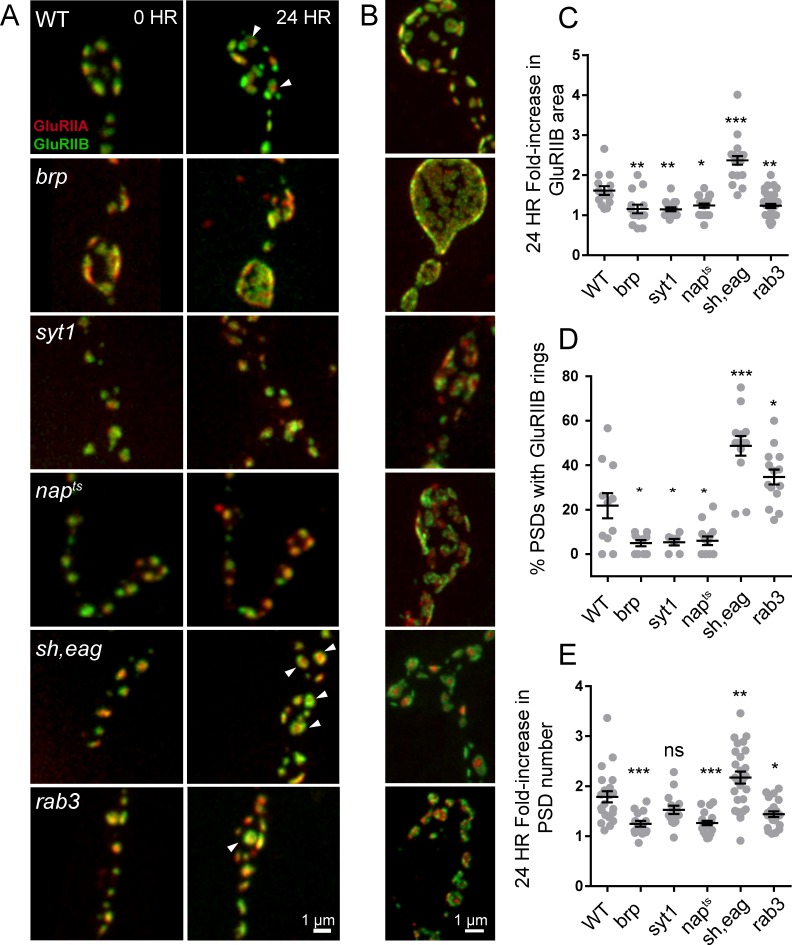
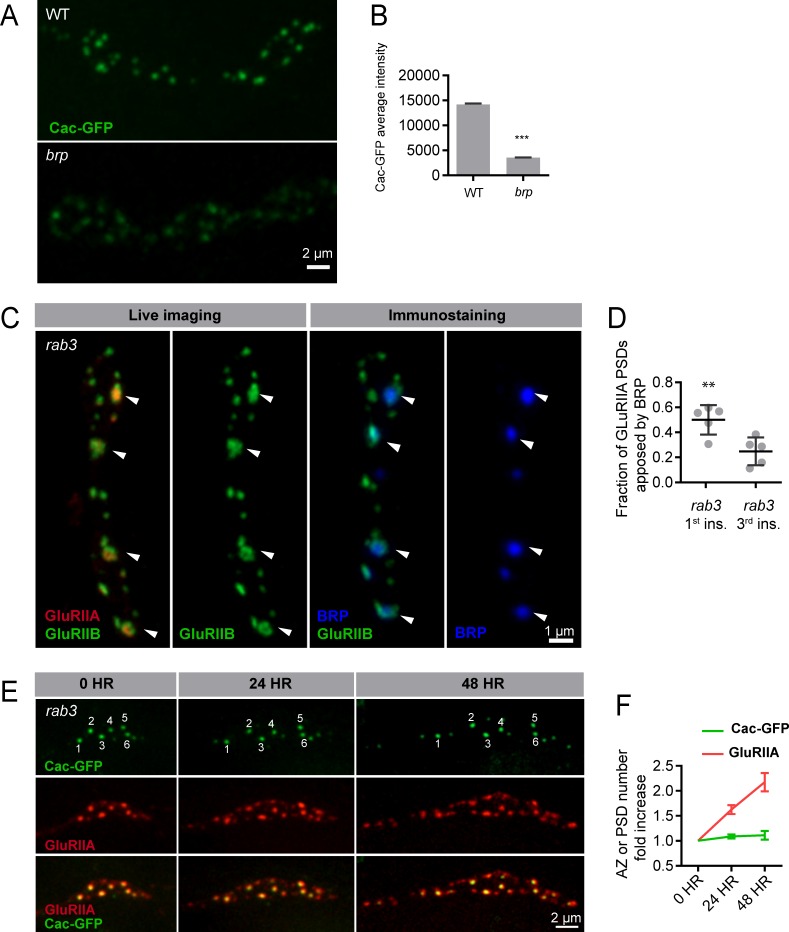
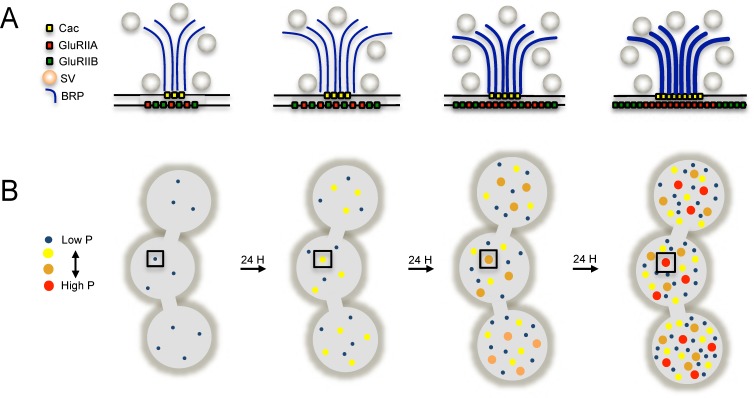
Neurons communicate through neurotransmitter release at specialized synaptic regions known as active zones (AZs). Using biosensors to visualize single synaptic vesicle fusion events at Drosophila neuromuscular junctions, we analyzed the developmental and molecular determinants of release probability (Pr) for a defined connection with ~300 AZs. Pr was heterogeneous but represented a stable feature of each AZ. Pr remained stable during high frequency stimulation and retained heterogeneity in mutants lacking the Ca2+ sensor Synaptotagmin 1. Pr correlated with both presynaptic Ca2+ channel abundance and Ca2+ influx at individual release sites. Pr heterogeneity also correlated with glutamate receptor abundance, with high Pr connections developing receptor subtype segregation. Intravital imaging throughout development revealed that AZs acquire high Pr during a multi-day maturation period, with Pr heterogeneity largely reflecting AZ age. The rate of synapse maturation was activity-dependent, as both increases and decreases in neuronal activity modulated glutamate receptor field size and segregation.
Keywords: D. melanogaster; active zone; calcium channels; glutamate receptors; neuroscience; synapse; synapse development; synaptic plasticity.
© 2018, Akbergenova et al.
Conflict of interest statement
YA, KC, YZ, SW, JL No competing interests declared
Figures
References
Publication types
MeSH terms
Substances
Grants and funding
LinkOut - more resources
Full Text Sources
Other Literature Sources
Molecular Biology Databases
Research Materials
Miscellaneous
