


Burkholderia pseudomallei Adaptation for Survival in Stressful Conditions
- PMID: 29992136
- PMCID: PMC5994319
- DOI: 10.1155/2018/3039106
Burkholderia pseudomallei Adaptation for Survival in Stressful Conditions
Abstract
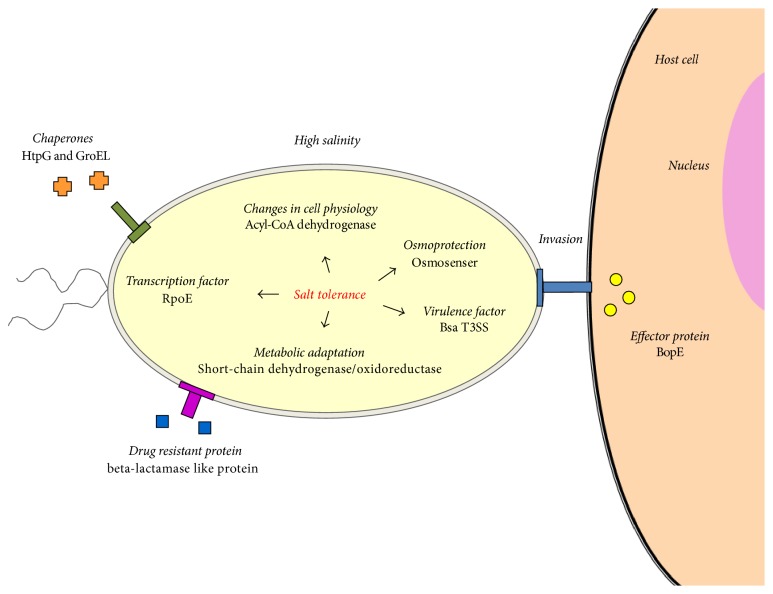
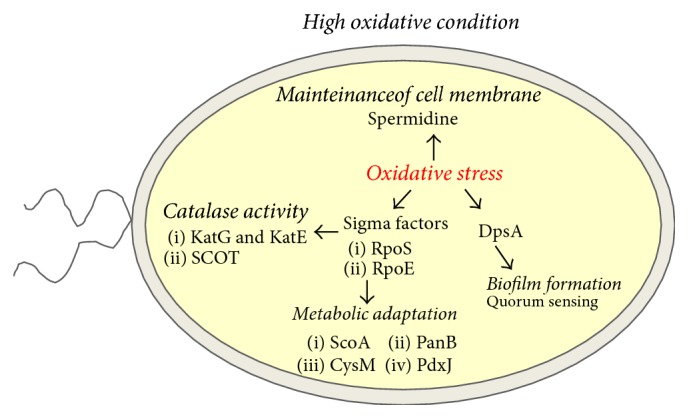
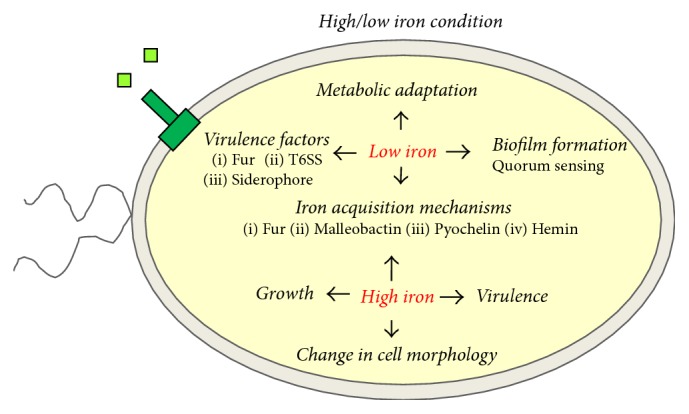
Burkholderia pseudomallei is a Gram-negative bacterium that causes melioidosis, which can be fatal in humans. Melioidosis is prevalent in the tropical regions of Southeast Asia and Northern Australia. Ecological data have shown that this bacterium can survive as a free-living organism in environmental niches, such as soil and water, as well as a parasite living in host organisms, such as ameba, plants, fungi, and animals. This review provides an overview of the survival and adaptation of B. pseudomallei to stressful conditions induced by hostile environmental factors, such as salinity, oxidation, and iron levels. The adaptation of B. pseudomallei in host cells is also reviewed. The adaptive survival mechanisms of this pathogen mainly involve modulation of gene and protein expression, which could cause alterations in the bacteria's cell membrane, metabolism, and virulence. Understanding the adaptations of this organism to environmental factors provides important insights into the survival and pathogenesis of B. pseudomallei, which may lead to the development of novel strategies for the control, prevention, and treatment of melioidosis in the future.
Figures
References
Publication types
MeSH terms
LinkOut - more resources
Full Text Sources
Other Literature Sources
