


Dance training is superior to repetitive physical exercise in inducing brain plasticity in the elderly
- PMID: 29995884
- PMCID: PMC6040685
- DOI: 10.1371/journal.pone.0196636
Dance training is superior to repetitive physical exercise in inducing brain plasticity in the elderly
Abstract
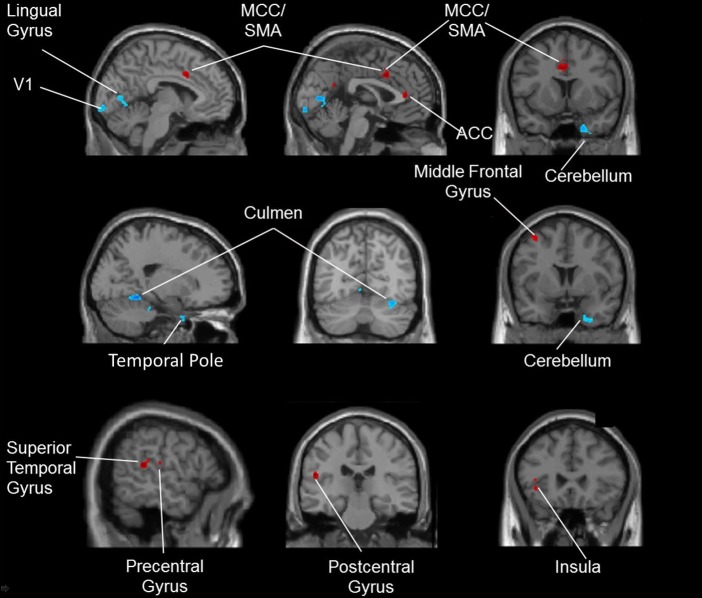
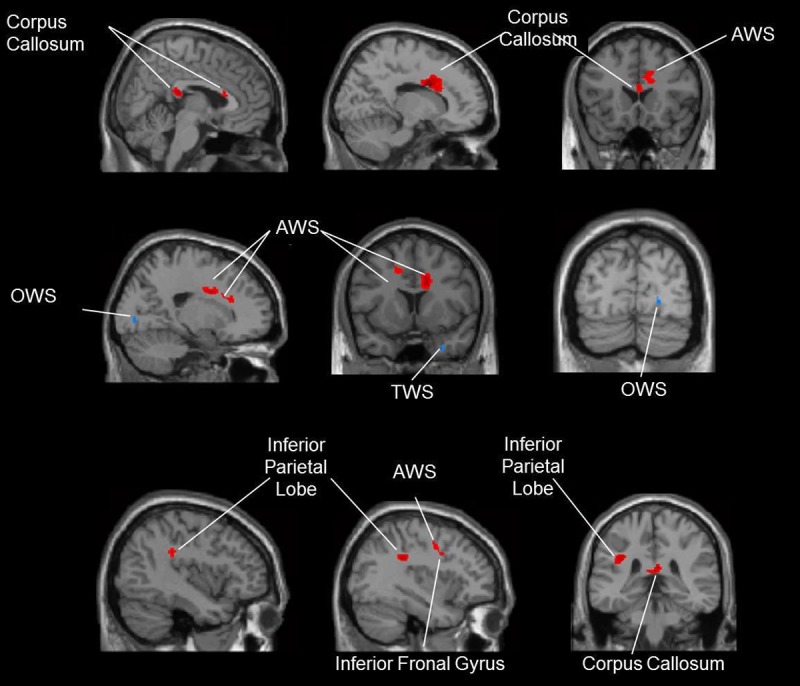
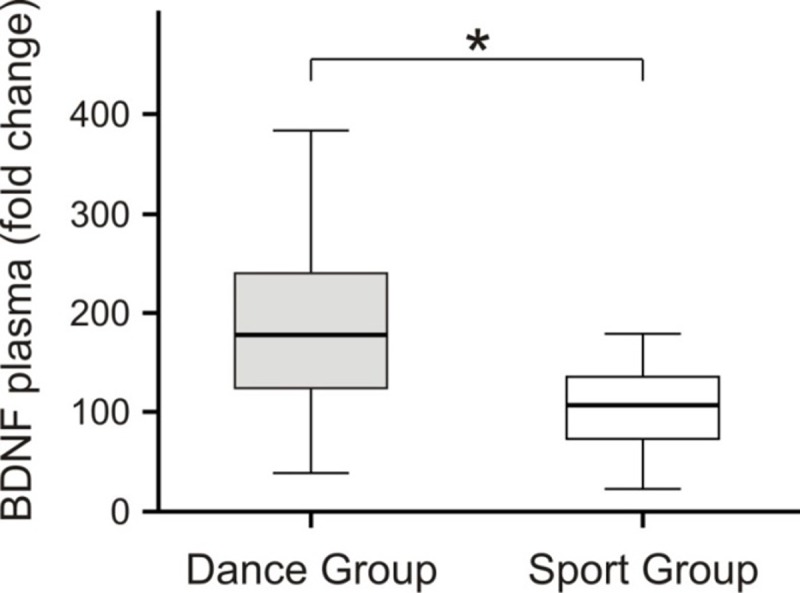
Animal research indicates that a combination of physical activity and sensory enrichment has the largest and the only sustaining effect on adult neuroplasticity. Dancing has been suggested as a human homologue to this combined intervention as it poses demands on both physical and cognitive functions. For the present exploratory study, we designed an especially challenging dance program in which our elderly participants constantly had to learn novel and increasingly difficult choreographies. This six-month-long program was compared to conventional fitness training matched for intensity. An extensive pre/post-assessment was performed on the 38 participants (63-80 y), covering general cognition, attention, memory, postural and cardio-respiratory performance, neurotrophic factors and-most crucially-structural MRI using an exploratory analysis. For analysis of MRI data, a new method of voxel-based morphometry (VBM) designed specifically for pairwise longitudinal group comparisons was employed. Both interventions increased physical fitness to the same extent. Pronounced differences were seen in the effects on brain volumes: Dancing compared to conventional fitness activity led to larger volume increases in more brain areas, including the cingulate cortex, insula, corpus callosum and sensorimotor cortex. Only dancing was associated with an increase in plasma BDNF levels. Regarding cognition, both groups improved in attention and spatial memory, but no significant group differences emerged. The latter finding may indicate that cognitive benefits may develop later and after structural brain changes have taken place. The present results recommend our challenging dance program as an effective measure to counteract detrimental effects of aging on the brain.
Conflict of interest statement
The authors have declared that no competing interests exist.
Figures
References
-
- Hedden T, Gabrieli J-D (2004) Insights into the ageing mind: a view from cognitive neuroscience. Nature reviews neuroscience 5(2): 87–96. doi: 10.1038/nrn1323 - DOI - PubMed
-
- Haug H, Eggers R (1991) Morphometry of the human cortex cerebri and corpus striatum during aging. Neurobiology of aging 12(4): 336–338. - PubMed
-
- Gunning‐Dixon F-M, Brickman A-M, Cheng J-C, Alexopoulos G-S (2009) Aging of cerebral white matter: a review of MRI findings. International journal of geriatric psychiatry 24(2): 109–117. doi: 10.1002/gps.2087 - DOI - PMC - PubMed
-
- Terry R-D, Katzman R (2001) Life span and synapses: will there be a primary senile dementia? Neurobiology of Aging 22(3): 347–348. - PubMed
MeSH terms
Substances
LinkOut - more resources
Full Text Sources
Other Literature Sources
Medical
Miscellaneous
