


Comparison the Effectiveness of Breastfeeding, Oral 25% Dextrose, Kangaroo-Mother Care Method, and EMLA Cream on Pain Score Level Following Heal Pick Sampling in Newborns: a randomized clinical trial
- PMID: 29997756
- PMCID: PMC6033133
- DOI: 10.19082/6741
Comparison the Effectiveness of Breastfeeding, Oral 25% Dextrose, Kangaroo-Mother Care Method, and EMLA Cream on Pain Score Level Following Heal Pick Sampling in Newborns: a randomized clinical trial
Abstract
Background: Today, it is considered that infants can feel pain, and it can have several adverse effects on their development. Although different interventions, such as skin-to-skin contact (kangaroo mother care method), glucose solutions, breastfeeding, and local anesthetic agents, have been evaluated to reduce infants' pain, there is no clinical trial available to identify the best method.
Objective: The aim of this study was to compare the efficacy of four methods of relieving infants' pain, i.e., breastfeeding, oral 25% dextrose, kangaroo mother care method (KMCM), and EMLA cream based on a pain score level following heal-prick sampling in term newborns.
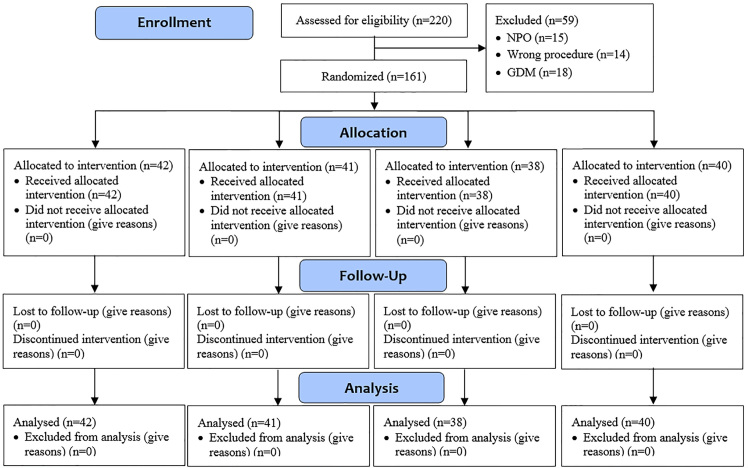
Methods: In this double-blind, controlled, randomized clinical trial, full term, and healthy infants in Shahid Motahhari Hospital, Marvdasht, Shiraz Province, Iran were studied. Infants were randomly allocated to four groups of interventions, i.e., A: breast milk feeding (n=42), B: oral 25% dextrose (n=40), C: KMCM (n=38), and D: KMCM ointment (n=40). All interventions were applied 15 minutes before heel-prick sampling. To evaluate the pain level in infants, the Neonatal Infant Pain Scale (NIPS) questionnaire was used. The data were analyzed with SPSS version 16 by ANOVA and the chi-squared tests.
Results: One hundred and sixty-one infants (93 males, 68 females) with an age range of 3 to 5 days were studied. There was no significant difference between the groups in terms of gender (p=0.113), weight (p=0.059), and baseline pain score level (p=0.904). The breastfeeding method showed the lowest pain score in comparison to the other interventions (A=5.52±2.22, B=6.45±1.88, C=6.84±1.96, D=7.37±1.95; p=0.001) after the heel-prick sampling.
Conclusion: It seems that, among the four methods of interventions in this study, the most effective method of lowering perceived pain in infants undergoing painful procedures was proven to be breastfeeding.
Trial registration: This study is registered in the Iranian Registry of Clinical Trials with the registration number of IRCT20151201253256N1.
Funding: This research was supported financially by the Research Council of the International Campus of Shiraz University of Medical Sciences.
Keywords: Breastfeeding; Dextrose; EMLA; Infant; Kangaroo-Mother Care Methods; Neonatal Infant Pain Scale; Pain; Pain Management.
Conflict of interest statement
Conflict of Interest: There is no conflict of interest to be declared.
Figures
References
LinkOut - more resources
Full Text Sources
Other Literature Sources
Medical