


3D Printing in Pharmaceutical and Medical Applications - Recent Achievements and Challenges
- PMID: 29998405
- PMCID: PMC6061505
- DOI: 10.1007/s11095-018-2454-x
3D Printing in Pharmaceutical and Medical Applications - Recent Achievements and Challenges
Abstract
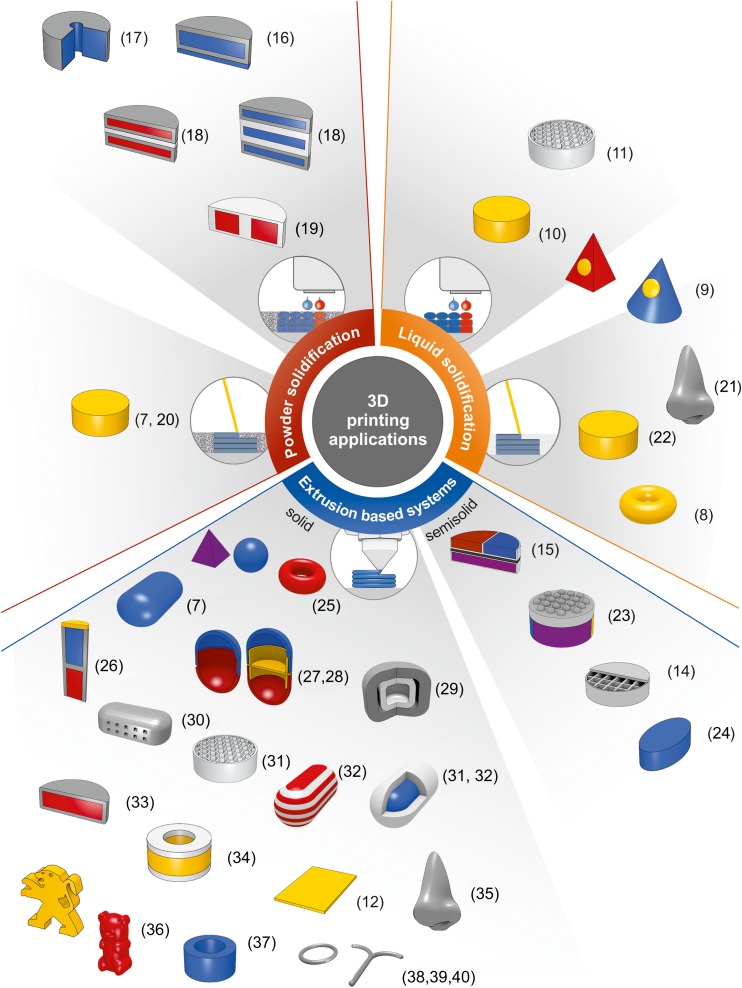
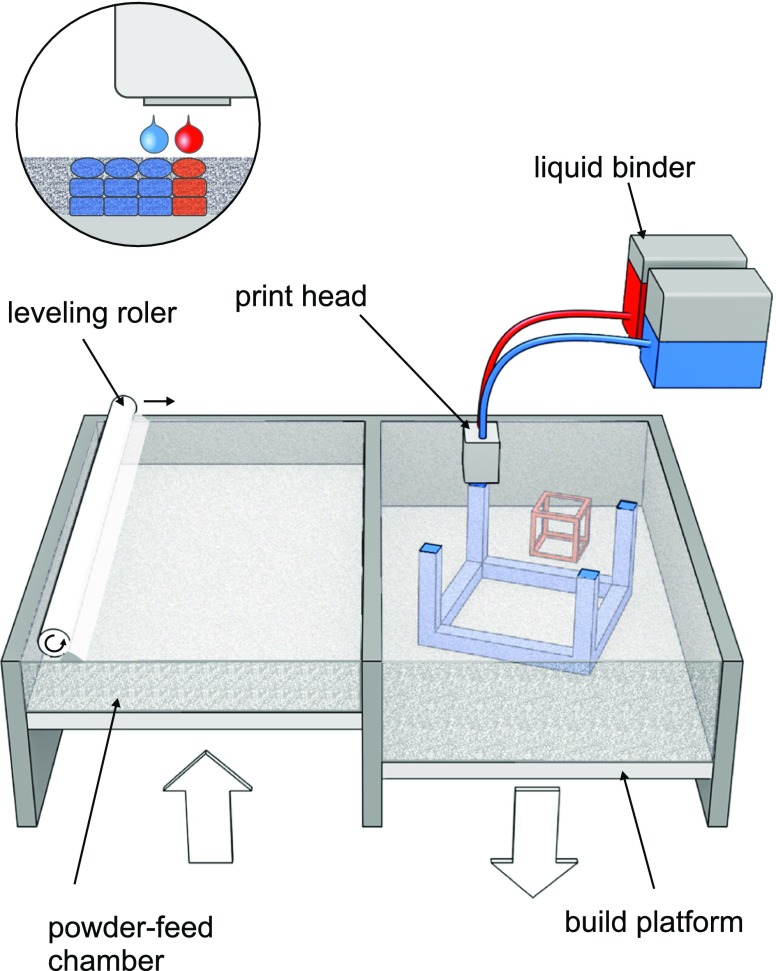
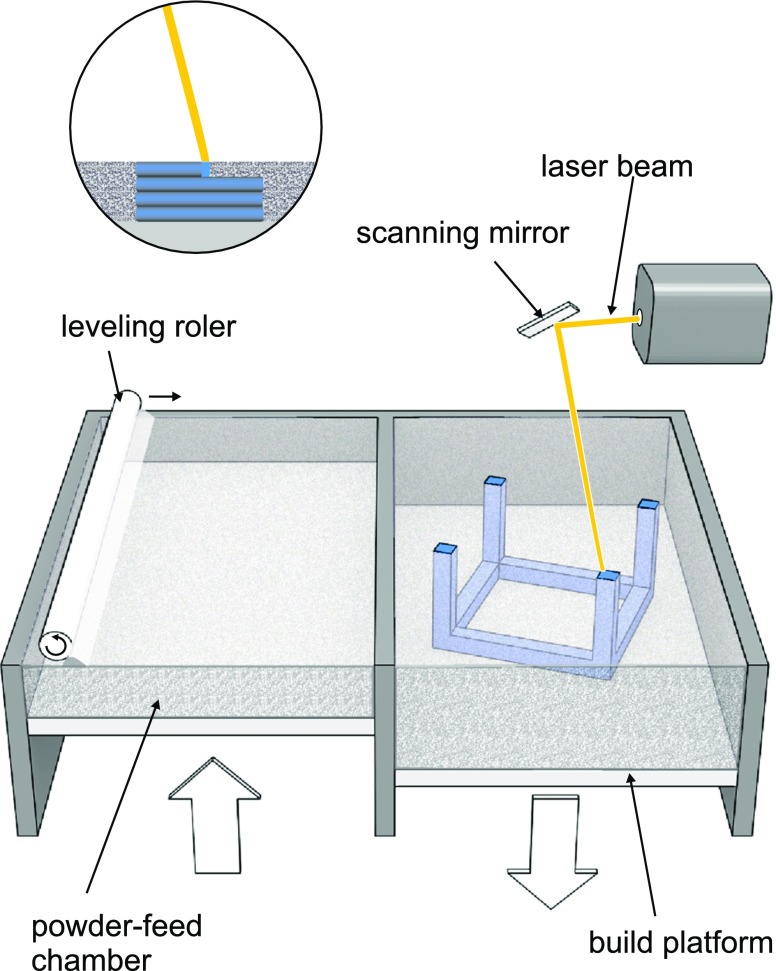
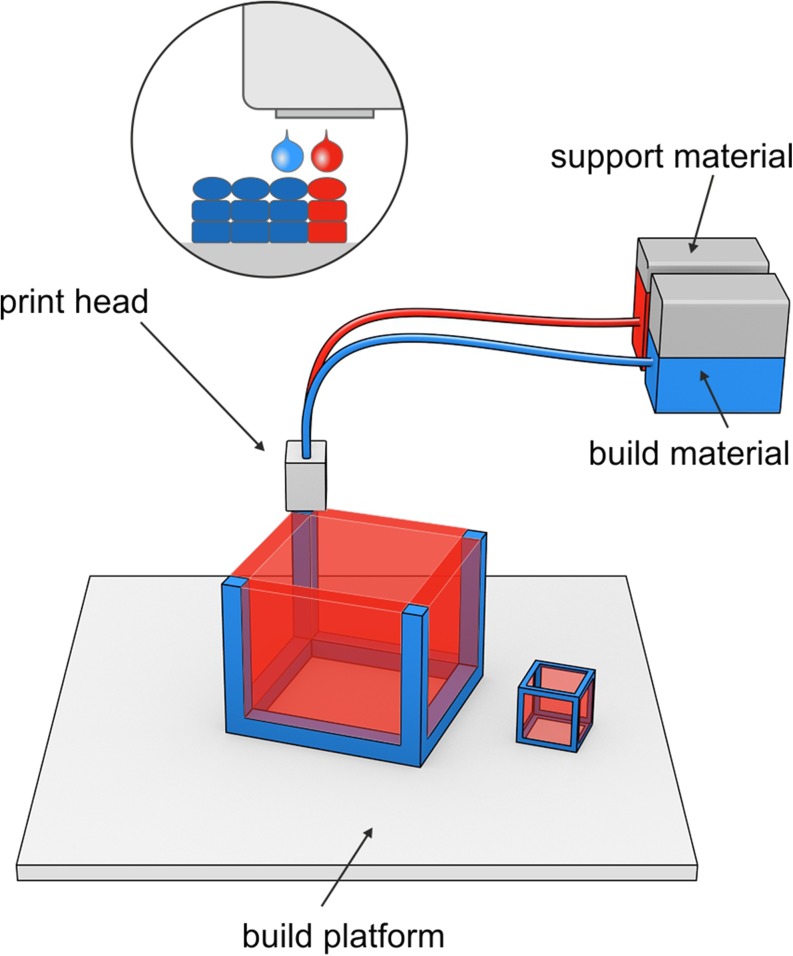
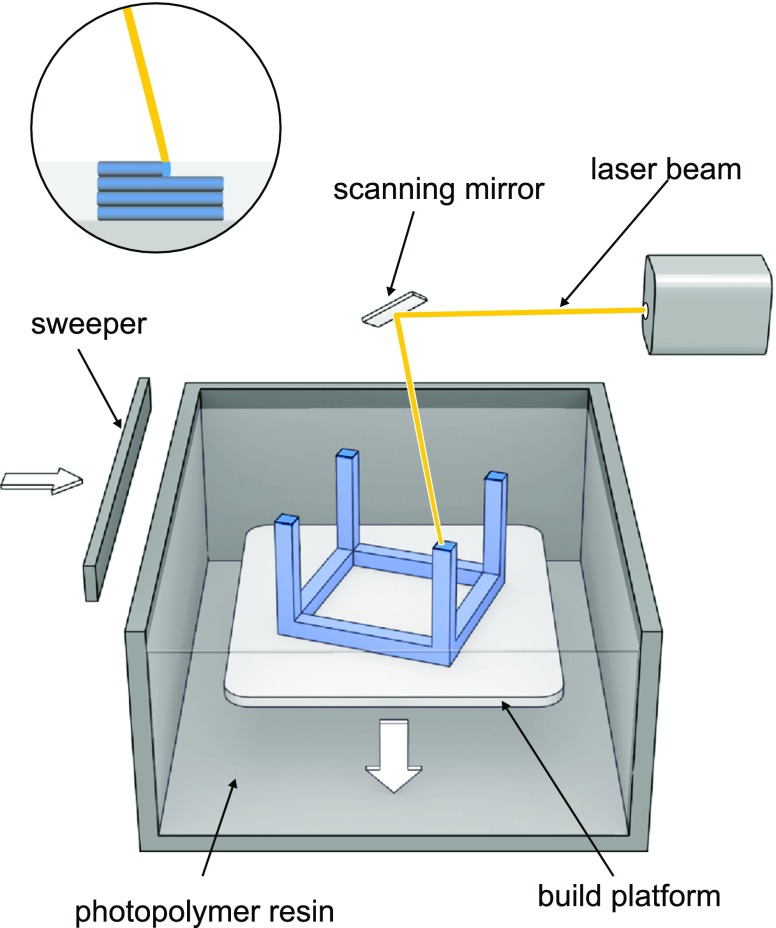
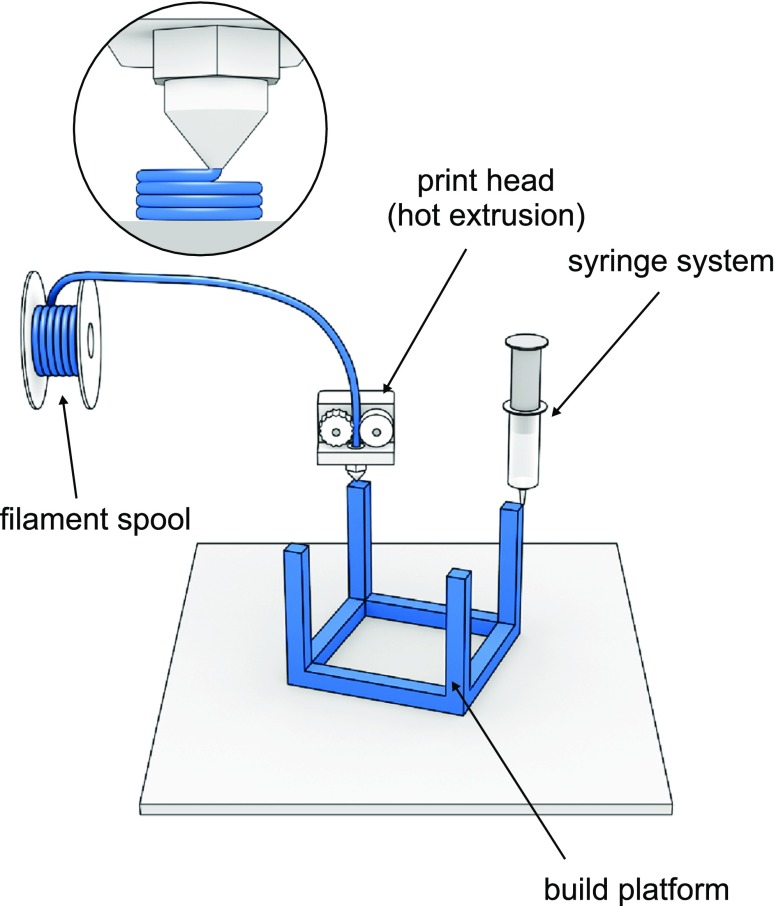
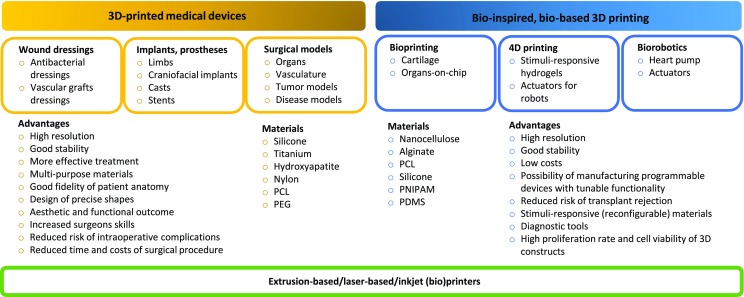
Growing demand for customized pharmaceutics and medical devices makes the impact of additive manufacturing increased rapidly in recent years. The 3D printing has become one of the most revolutionary and powerful tool serving as a technology of precise manufacturing of individually developed dosage forms, tissue engineering and disease modeling. The current achievements include multifunctional drug delivery systems with accelerated release characteristic, adjustable and personalized dosage forms, implants and phantoms corresponding to specific patient anatomy as well as cell-based materials for regenerative medicine. This review summarizes the newest achievements and challenges of additive manufacturing in the field of pharmaceutical and biomedical research that have been published since 2015. Currently developed techniques of 3D printing are briefly described while comprehensive analysis of extrusion-based methods as the most intensively investigated is provided. The issue of printlets attributes, i.e. shape and size is described with regard to personalized dosage forms and medical devices manufacturing. The undeniable benefits of 3D printing are highlighted, however a critical view resulting from the limitations and challenges of the additive manufacturing is also included. The regulatory issue is pointed as well.
Keywords: 3D printing; additive manufacturing; bioprinting; drug delivery; medical devices.
Figures
References
-
- ISO/ASTM 52900:2015(en) Additive manufacturing - General principles – Terminology.; 2018 March 26. Available from: https://www.iso.org/obp/ui/#iso:std:iso-astm:52900:ed-1:v1:en.
-
- Gu D. Laser additive manufacturing of high-performance materials. Berlin: Springer; 2015. pp. 1–13.
-
- Sachs EM, Haggerty JS, Cima MJ, Williams PA. Three dimensional printing techniques. In: US Patent US 5,204,055 A; 1993.
-
- Jamroz W, Koterbicka J, Kurek M, Czech A, Jachowicz R. Application of 3D printing in pharmaceutical technology. Farm Pol. 2017;73(9):542–548.
Publication types
MeSH terms
LinkOut - more resources
Full Text Sources
Other Literature Sources
