


Azithromycin therapy reduces cardiac inflammation and mitigates adverse cardiac remodeling after myocardial infarction: Potential therapeutic targets in ischemic heart disease
- PMID: 30001416
- PMCID: PMC6042749
- DOI: 10.1371/journal.pone.0200474
Azithromycin therapy reduces cardiac inflammation and mitigates adverse cardiac remodeling after myocardial infarction: Potential therapeutic targets in ischemic heart disease
Abstract
Introduction: Acute myocardial infarction (MI) is a primary cause of worldwide morbidity and mortality. Macrophages are fundamental components of post-MI inflammation. Pro-inflammatory macrophages can lead to adverse cardiac remodeling and heart failure while anti-inflammatory/reparative macrophages enhance tissue healing. Shifting the balance between pro-inflammatory and reparative macrophages post-MI is a novel therapeutic strategy. Azithromycin (AZM), a commonly used macrolide antibiotic, polarizes macrophages towards the anti-inflammatory phenotype, as shown in animal and human studies. We hypothesized that AZM modulates post-MI inflammation and improves cardiac recovery.
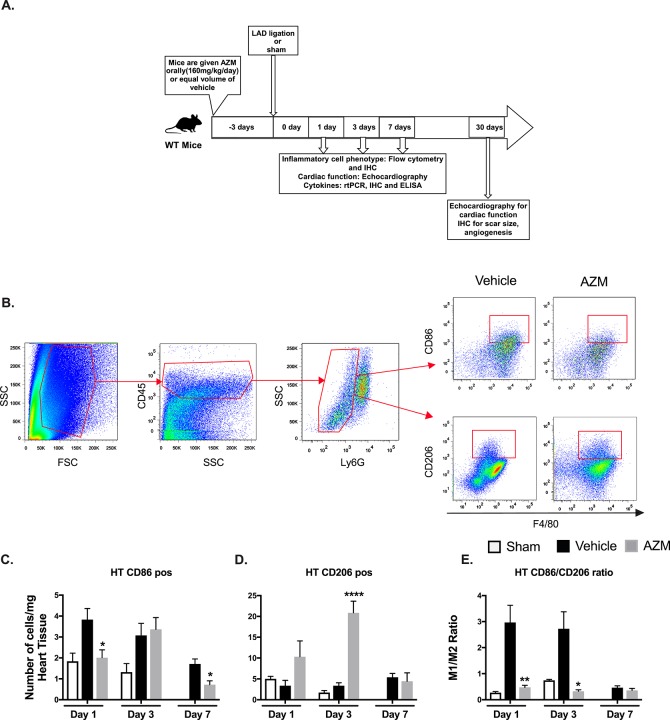
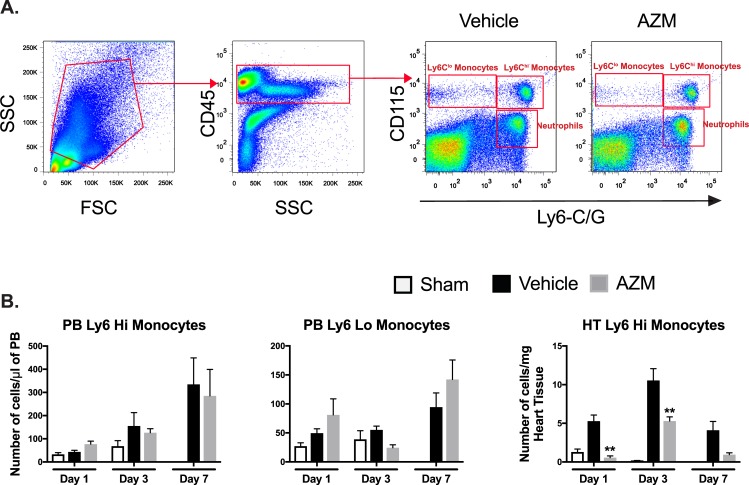
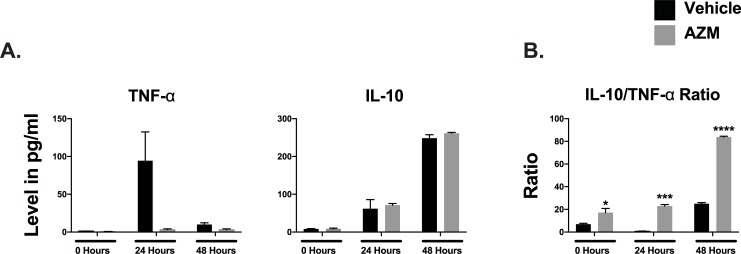
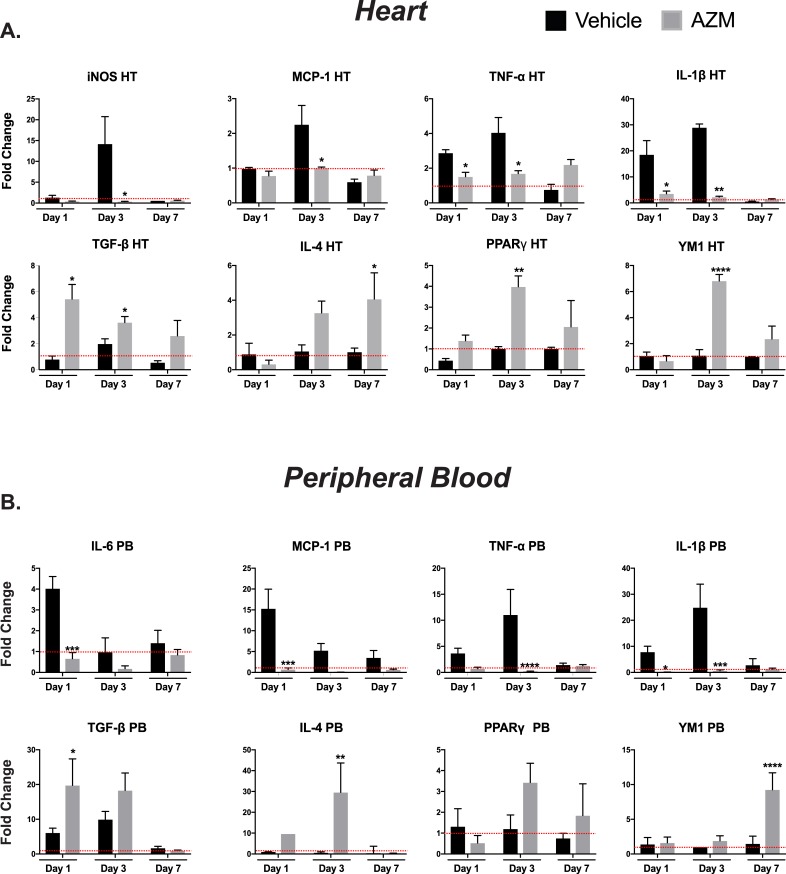
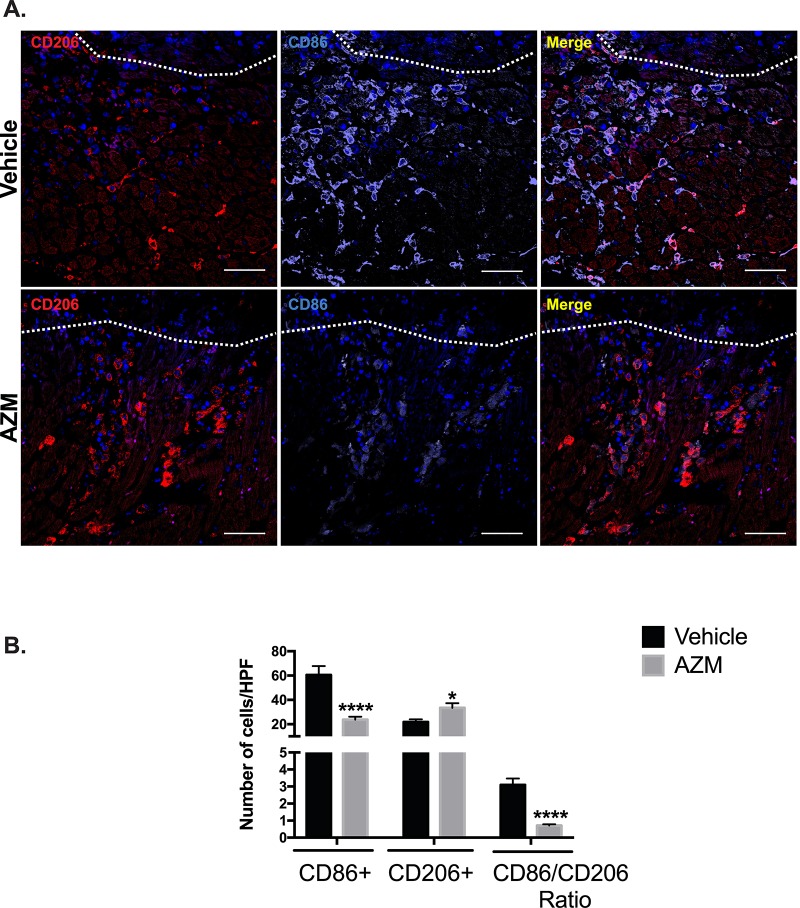
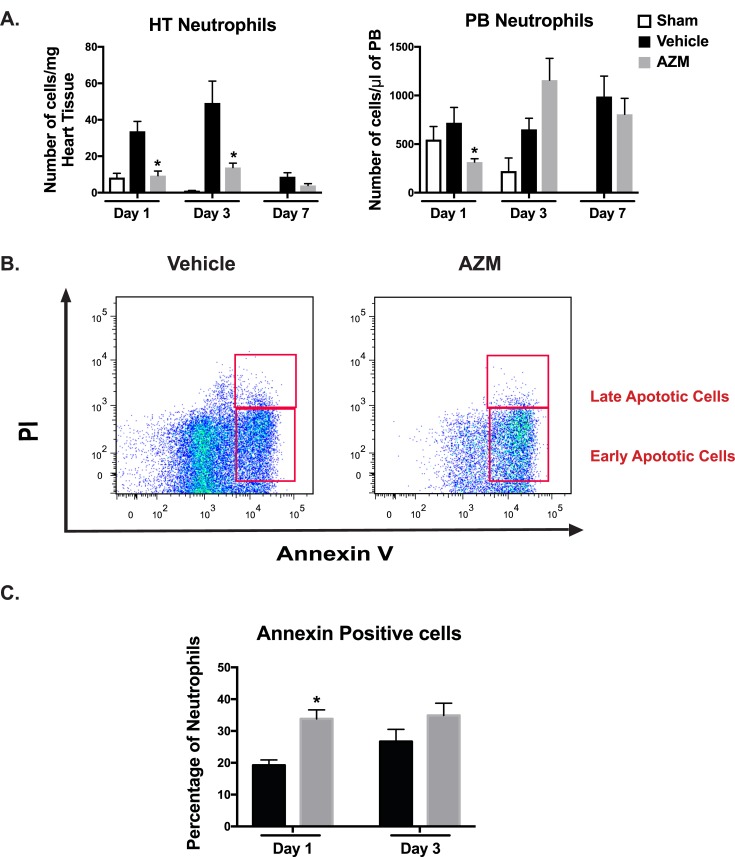
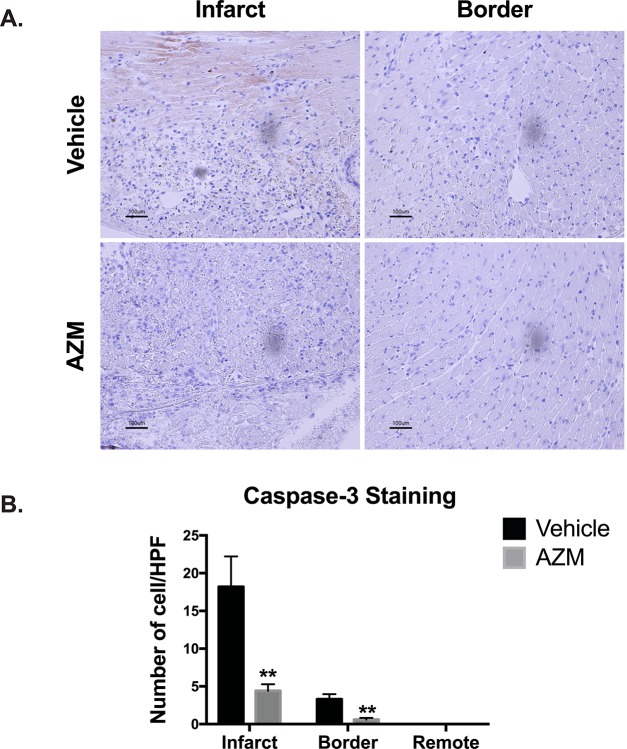
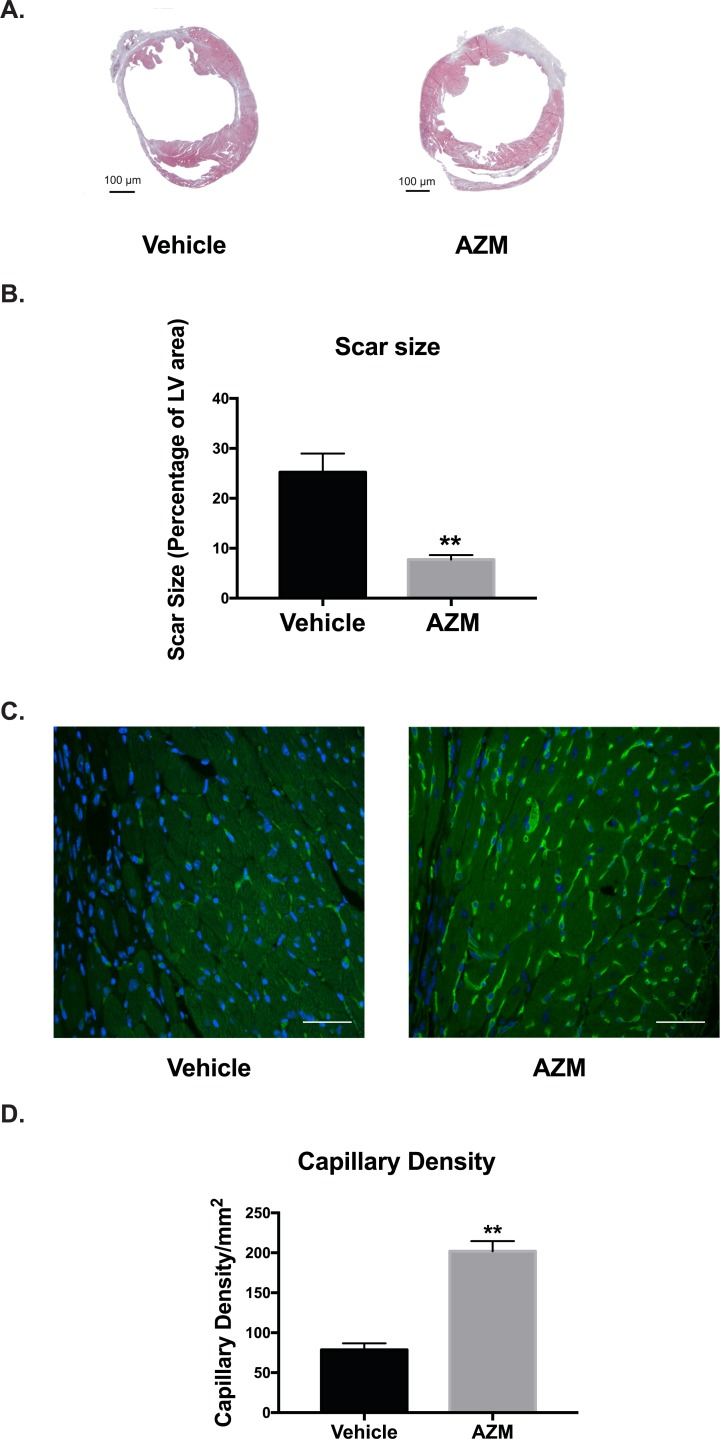
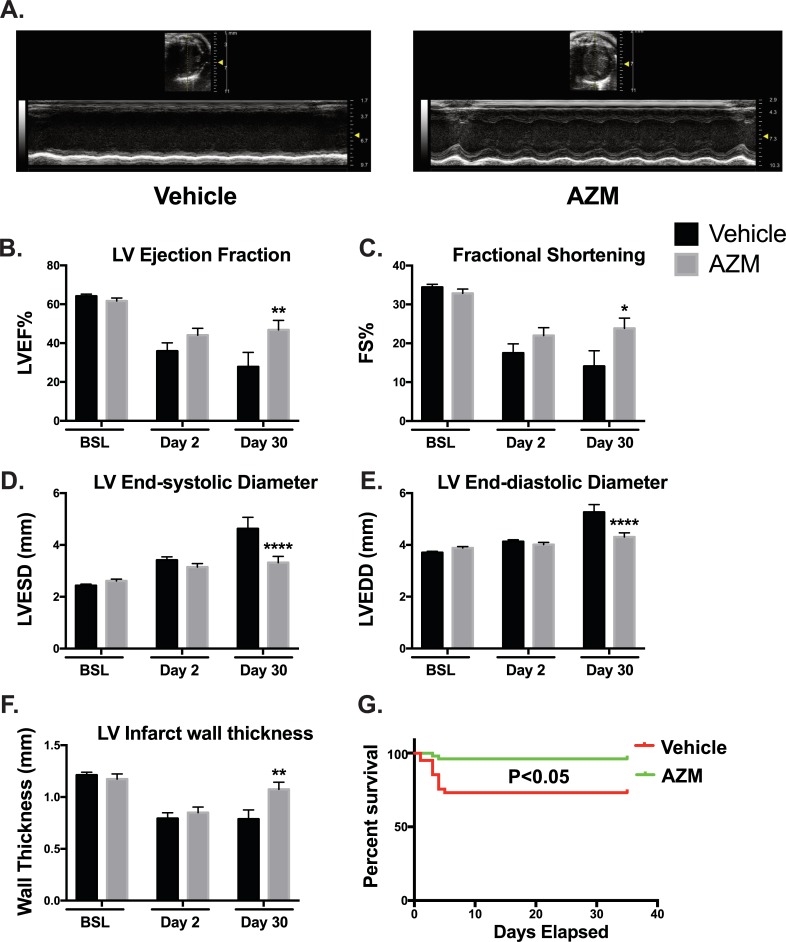
Methods and results: Male WT mice (C57BL/6, 6-8 weeks old) were treated with either oral AZM (160 mg/kg/day) or vehicle (control) starting 3 days prior to MI and continued to day 7 post-MI. We observed a significant reduction in mortality with AZM therapy. AZM-treated mice showed a significant decrease in pro-inflammatory (CD45+/Ly6G-/F4-80+/CD86+) and increase in anti-inflammatory (CD45+/Ly6G-/F4-80+/CD206+) macrophages, decreasing the pro-inflammatory/anti-inflammatory macrophage ratio in the heart and peripheral blood as assessed by flow cytometry and immunohistochemistry. Macrophage changes were associated with a significant decline in pro- and increase in anti-inflammatory cytokines. Mechanistic studies confirmed the ability of AZM to shift macrophage response towards an anti-inflammatory state under hypoxia/reperfusion stress. Additionally, AZM treatment was associated with a distinct decrease in neutrophil count due to apoptosis, a known signal for shifting macrophages towards the anti-inflammatory phenotype. Finally, AZM treatment improved cardiac recovery, scar size, and angiogenesis.
Conclusion: Azithromycin plays a cardioprotective role in the early phase post-MI through attenuating inflammation and enhancing cardiac recovery. Post-MI treatment and human translational studies are warranted to examine the therapeutic applications of AZM.
Conflict of interest statement
The authors have declared that no competing interests exist.
Figures
References
-
- Protti A, Mongue-Din H, Mylonas KJ, Sirker A, Sag CM, Swim MM, et al. Bone marrow transplantation modulates tissue macrophage phenotype and enhances cardiac recovery after subsequent acute myocardial infarction. J Mol Cell Cardiol. 2016;90:120–8. 10.1016/j.yjmcc.2015.12.007 ; PubMed Central PMCID: PMCPMC4727788. - DOI - PMC - PubMed
Publication types
MeSH terms
Substances
Grants and funding
LinkOut - more resources
Full Text Sources
Other Literature Sources
Medical
Research Materials
Miscellaneous
