


Electrically stimulated cell migration and its contribution to wound healing
- PMID: 30003115
- PMCID: PMC6036678
- DOI: 10.1186/s41038-018-0123-2
Electrically stimulated cell migration and its contribution to wound healing
Abstract
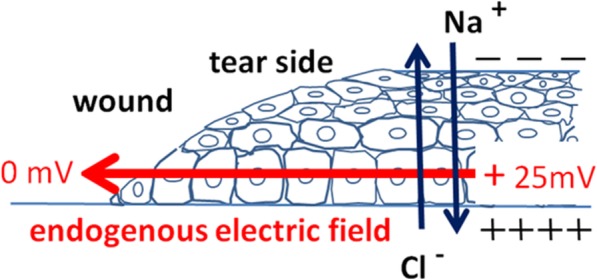
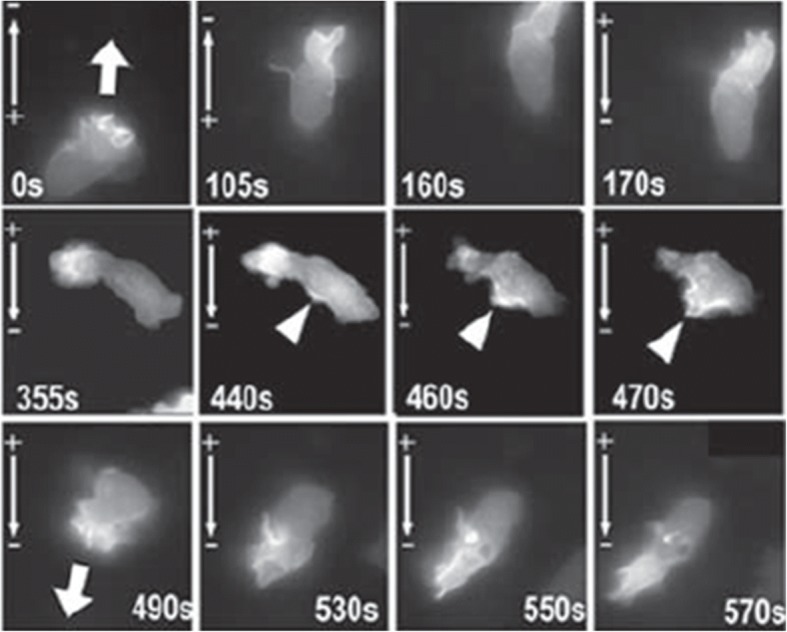
Naturally occurring electric fields are known to be morphogenetic cues and associated with growth and healing throughout mammalian and amphibian animals and the plant kingdom. Electricity in animals was discovered in the eighteenth century. Electric fields activate multiple cellular signaling pathways such as PI3K/PTEN, the membrane channel of KCNJ15/Kir4.2 and intracellular polyamines. These pathways are involved in the sensing of physiological electric fields, directional cell migration (galvanotaxis, also known as electrotaxis), and possibly other cellular responses. Importantly, electric fields provide a dominant and over-riding signal that directs cell migration. Electrical stimulation could be a promising therapeutic method in promoting wound healing and activating regeneration of chronic and non-healing wounds. This review provides an update of the physiological role of electric fields, its cellular and molecular mechanisms, its potential therapeutic value, and questions that still await answers.
Keywords: Cell migration; Clinical trials; Electrical stimulation; Endogenous electric fields; Ion transport; Wound healing.
Conflict of interest statement
Not applicableNot applicableThe authors declare that they have no competing interests.
Figures
References
Publication types
Grants and funding
LinkOut - more resources
Full Text Sources
Other Literature Sources
Research Materials
