


Multidimensional imaging techniques for prediction of treatment response in major depressive disorder
- PMID: 30009871
- PMCID: PMC6556149
- DOI: 10.1016/j.pnpbp.2018.07.001
Multidimensional imaging techniques for prediction of treatment response in major depressive disorder
Abstract
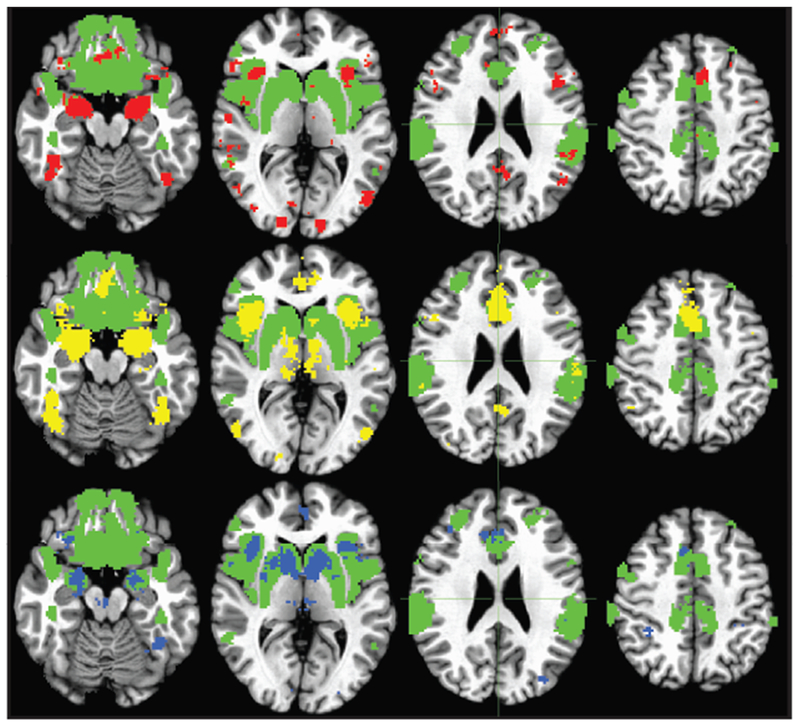
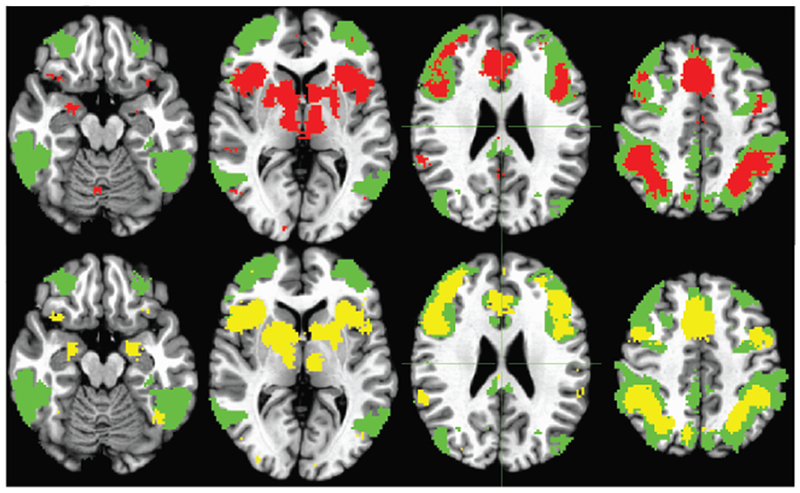
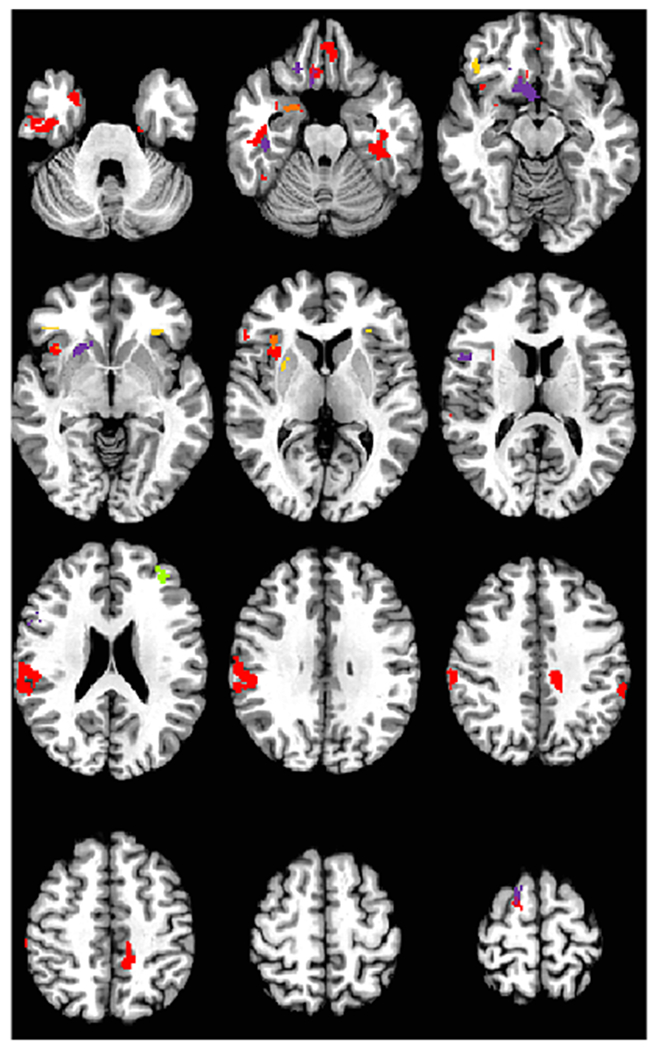
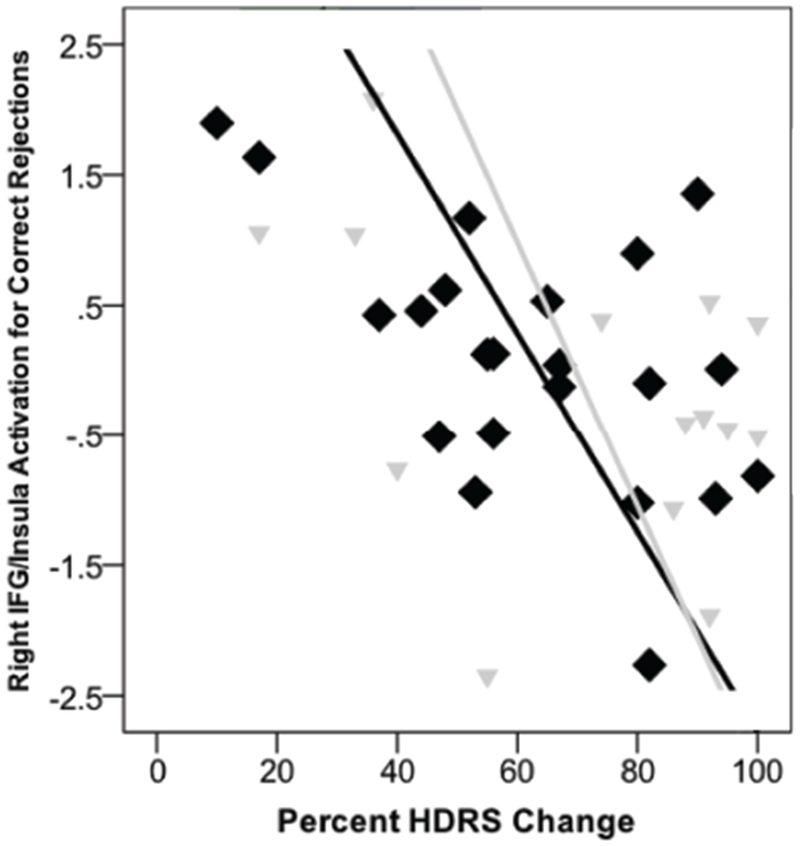
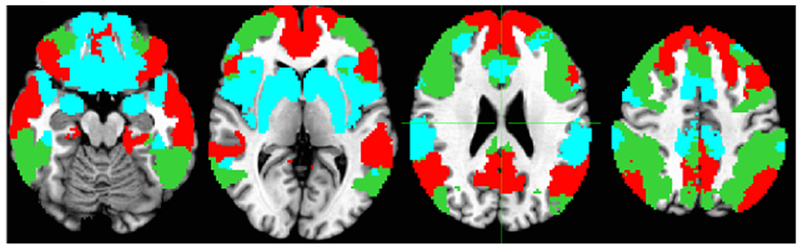
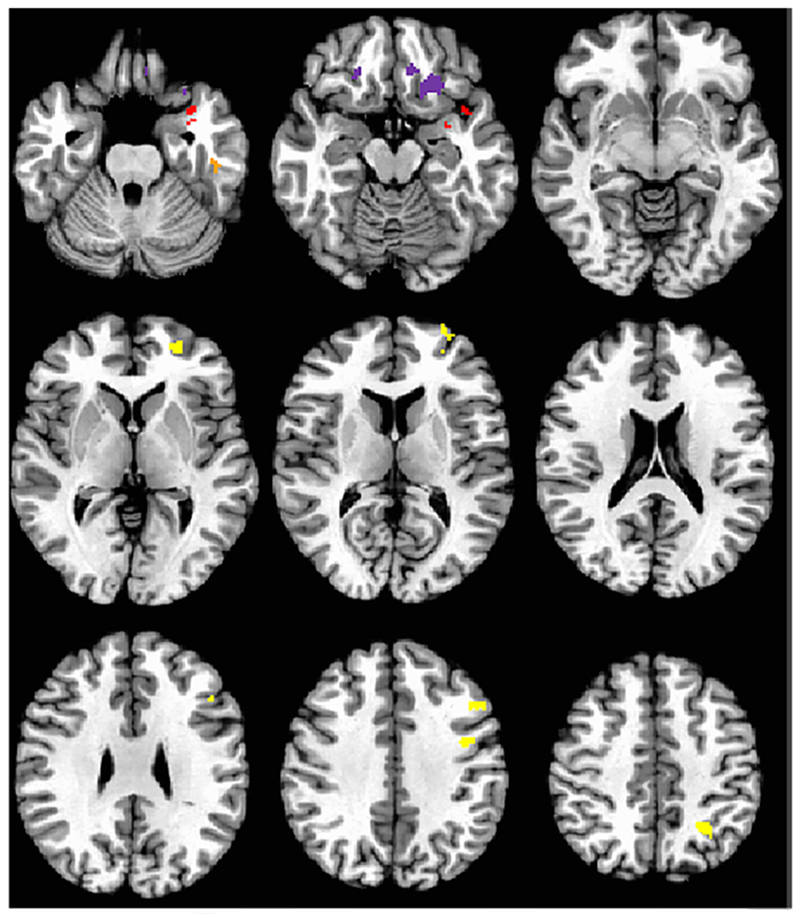
A large number of studies have attempted to use neuroimaging tools to aid in treatment prediction models for major depressive disorder (MDD). Most such studies have reported on only one dimension of function and prediction at a time. In this study, we used three different tasks across domains of function (emotion processing, reward anticipation, and cognitive control, plus resting state connectivity completed prior to start of medication to predict treatment response in 13-36 adults with MDD. For each experiment, adults with MDD were prescribed only label duloxetine (all experiments), whereas another subset were prescribed escitalopram. We used a KeyNet (both Task derived masks and Key intrinsic Network derived masks) approach to targeting brain systems in a specific match to tasks. The most robust predictors were (Dichter et al., 2010) positive response to anger and (Gong et al., 2011) negative response to fear within relevant anger and fear TaskNets and Salience and Emotion KeyNet (Langenecker et al., 2018) cognitive control (correct rejections) within Inhibition TaskNet (negative) and Cognitive Control KeyNet (positive). Resting state analyses were most robust for Cognitive control Network (positive) and Salience and Emotion Network (negative). Results differed by whether an -fwhm or -acf (more conservative) adjustment for multiple comparisons was used. Together, these results implicate the importance of future studies with larger sample sizes, multidimensional predictive models, and the importance of using empirically derived masks for search areas.
Copyright © 2018. Published by Elsevier Inc.
Figures
References
-
- Gong Q, Wu Q, Scarpazza C, Lui S, Jia Z, Marquand A, Huang X, McGuire P, Mechelli A. Prognostic prediction of therapeutic response in depression using high-field MR imaging. Neuroimage. 2011;55:1497–1503. - PubMed
-
- Borairi S, Dougherty DD. The Use of Neuroimaging to Predict Treatment Response for Neurosurgical Interventions for Treatment-Refractory Major Depression and Obsessive-Compulsive Disorder. Harvard Review of Psychiatry. 2011;19:155–161. - PubMed
Publication types
MeSH terms
Substances
Grants and funding
LinkOut - more resources
Full Text Sources
Other Literature Sources
Medical
