


Catastrophizing, pain, and functional outcomes for children with chronic pain: a meta-analytic review
- PMID: 30015710
- PMCID: PMC6237640
- DOI: 10.1097/j.pain.0000000000001342
Catastrophizing, pain, and functional outcomes for children with chronic pain: a meta-analytic review
Abstract
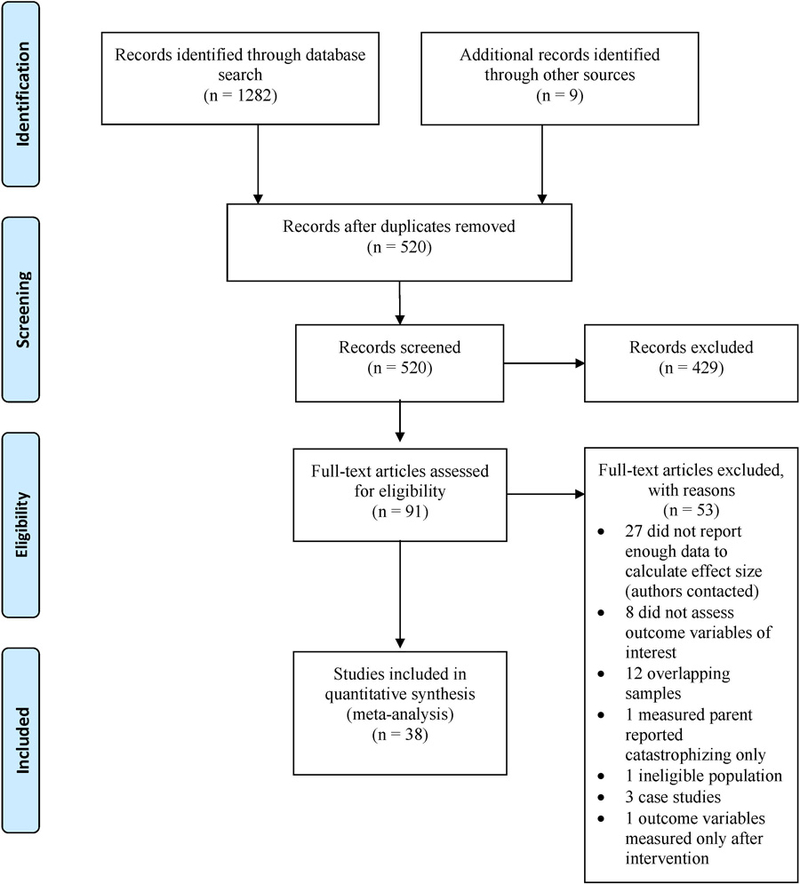
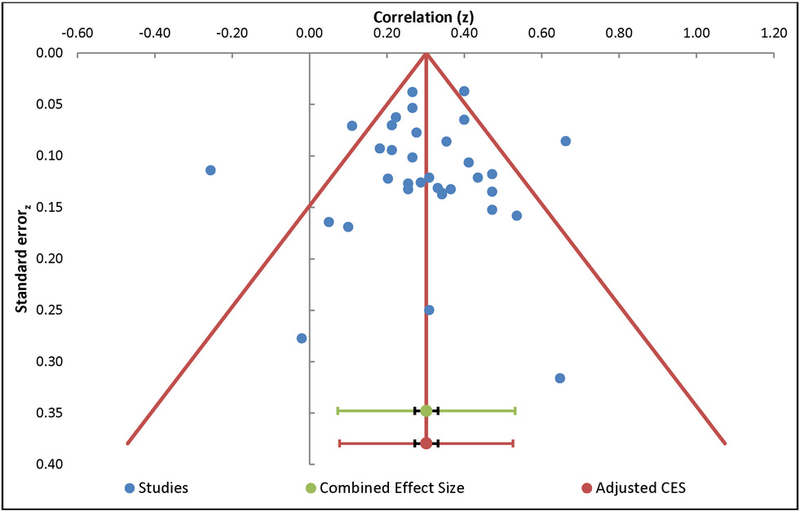
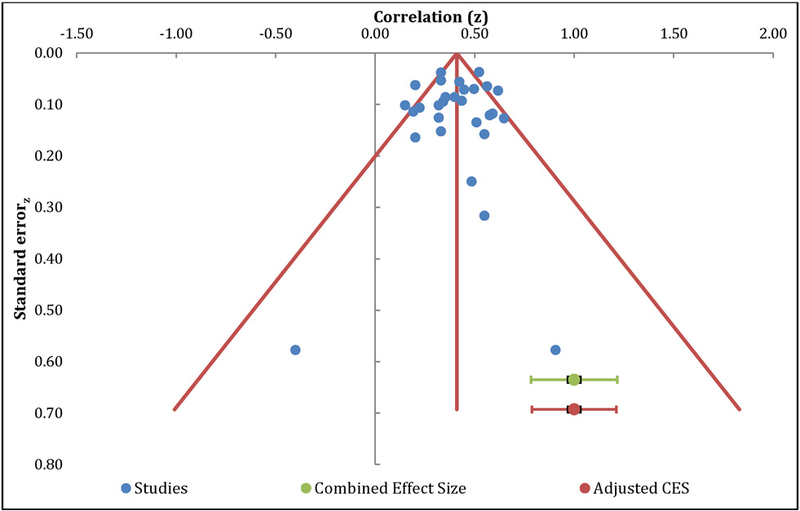
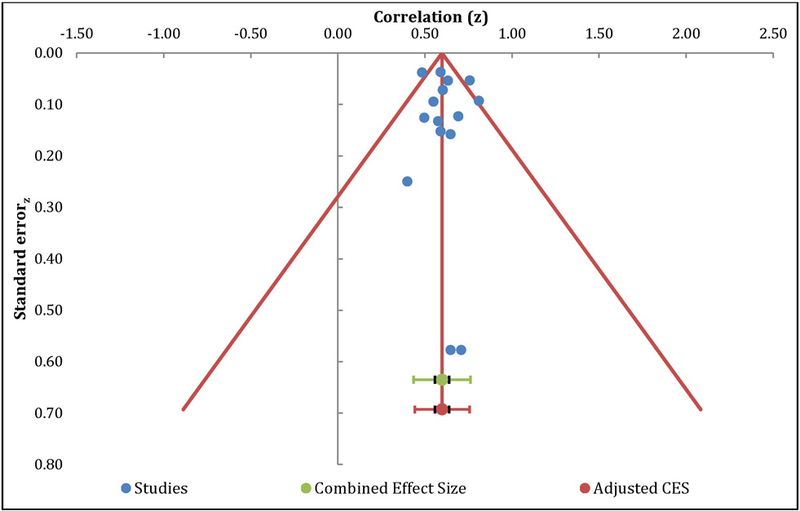
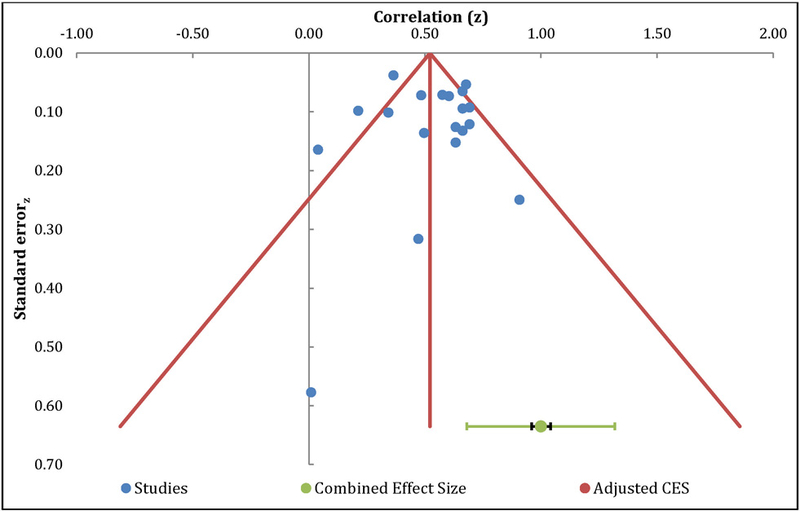
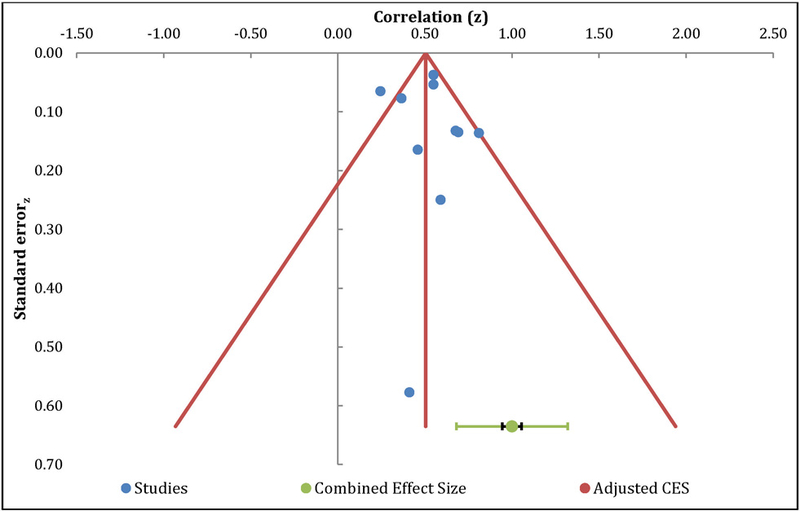
Pediatric chronic pain is associated with numerous negative outcomes including increased physical disability, increased rates of depression and anxiety, and decreased quality of life (QOL). Pain catastrophizing-broadly conceptualized as including rumination, magnification, and helplessness cognitions surrounding one's pain-has been linked with poor functional outcomes in children with chronic pain. Pain catastrophizing in pediatric chronic pain is often considered a key factor on which to focus treatment efforts. However, absent a systematic review that integrates the relevant literature, this call for routine assessment and targeted treatment may be premature. This study aimed to: (1) meta-analytically quantify the relationship between catastrophizing and pain and functional/psychosocial outcomes (functional disability/physical functioning, anxiety, depression, and QOL) in children with chronic pain, and (2) examine potential moderators of these relationships. Using a random-effects model, a total of 111 effect sizes from 38 studies were analyzed. Effect sizes ranged from medium to large, with anxiety, depression, and QOL demonstrating a strong association with catastrophizing. Pain intensity and physical disability had a moderate association with catastrophizing. These relationships were robust, minimizing potential publication bias. None of the examined moderators were significant. The strong relationships found between catastrophizing and anxiety, depression, and QOL suggest that successfully intervening on catastrophizing could have far reaching implications in improving pain outcomes in pediatric chronic pain.
Conflict of interest statement
There are no conflicts of interest that might be seen as influencing or prejudicing the research.
Figures
References
-
- Affleck G, Tennen H, Urrows S, Higgins P. Neuroticism and the pain-mood relation in rheumatoid arthritis: Insights from a prospective daily study. J Consult Clin Psychol 1992;60:119. - PubMed
-
- American Pain Society. Pediatric chronic pain: A position statement for the American Pain Society. American Pain Society Bulletin 2001. (Jan/Feb):10–12.
-
- Becker N, Thomsen AB, Olsen AK, Sjøgren P, Bech P, Eriksen,J. Pain epidemiology and health related quality of life in chronic non-malignant pain patients referred to a Danish multidisciplinary pain center. Pain 1998;73:393–400. - PubMed
Publication types
MeSH terms
Grants and funding
LinkOut - more resources
Full Text Sources
Other Literature Sources
Medical
Miscellaneous
