Isotretinoin induced achilles tendinopathy: Histopathological and biomechanical evaluation on rats
- PMID: 30017488
- PMCID: PMC6204476
- DOI: 10.1016/j.aott.2018.06.006
Isotretinoin induced achilles tendinopathy: Histopathological and biomechanical evaluation on rats
Abstract
Objective: The aim of the present study was to evaluate histopathological and biomechanical effects of isotretinoin on Achilles tendon.
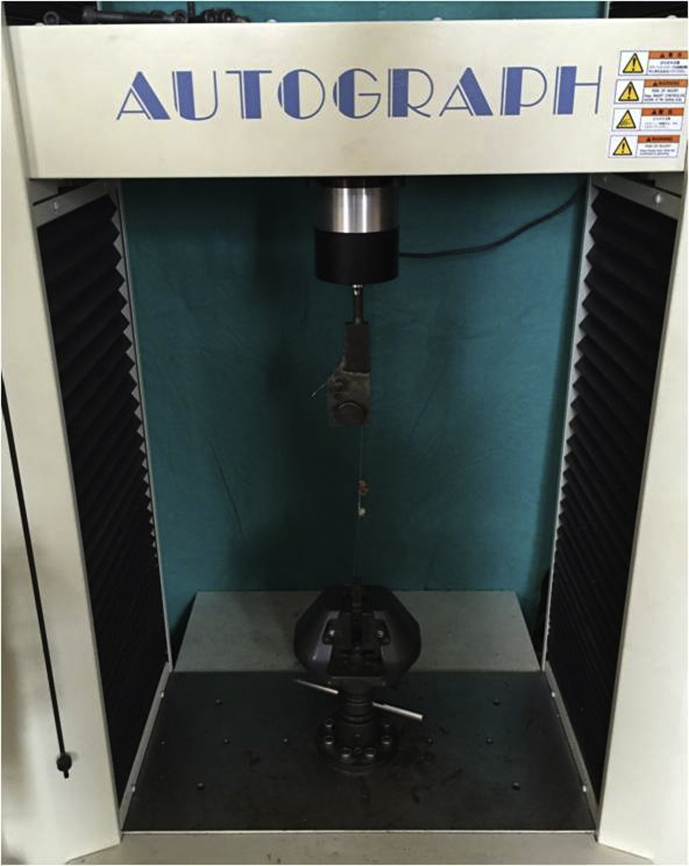
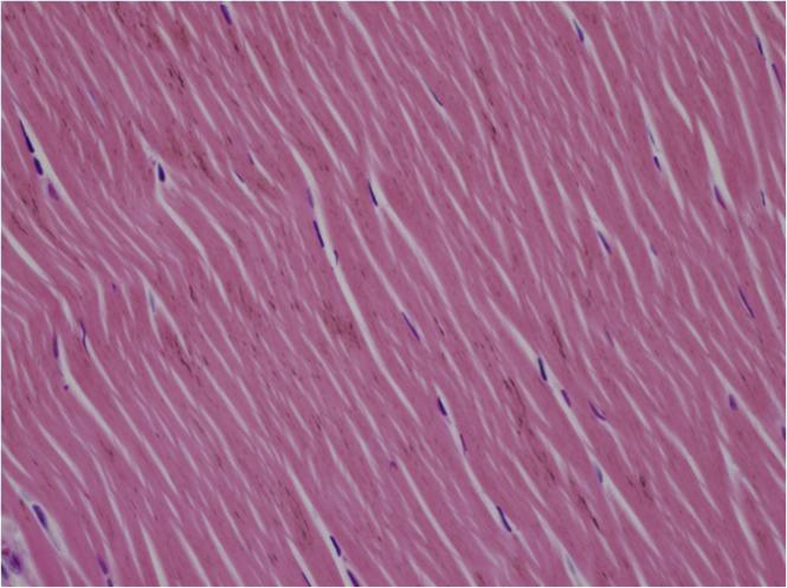
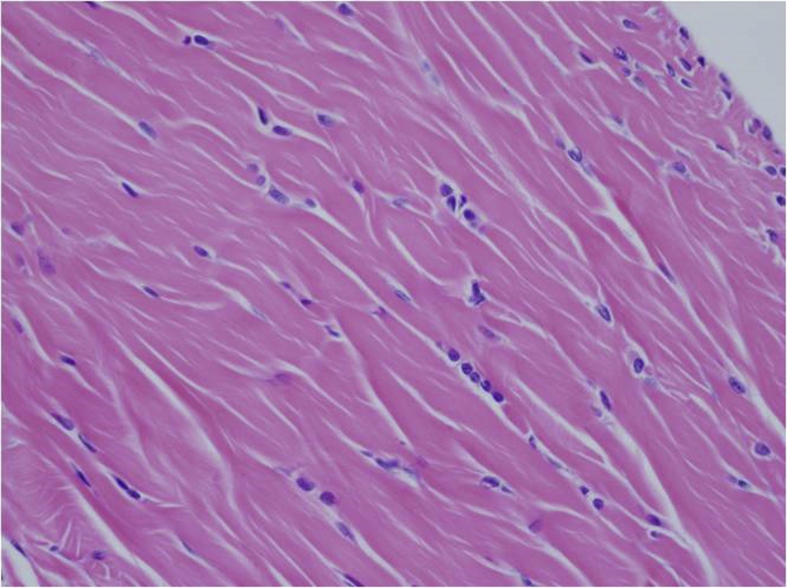
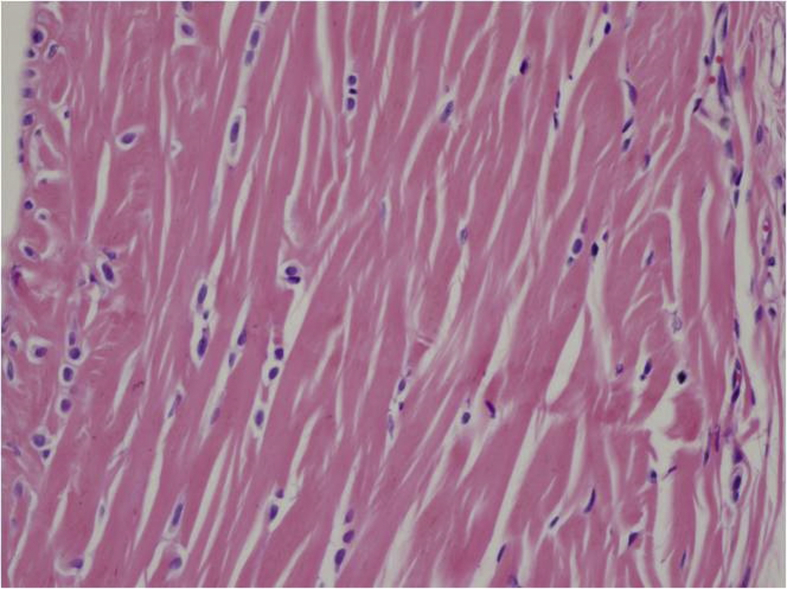
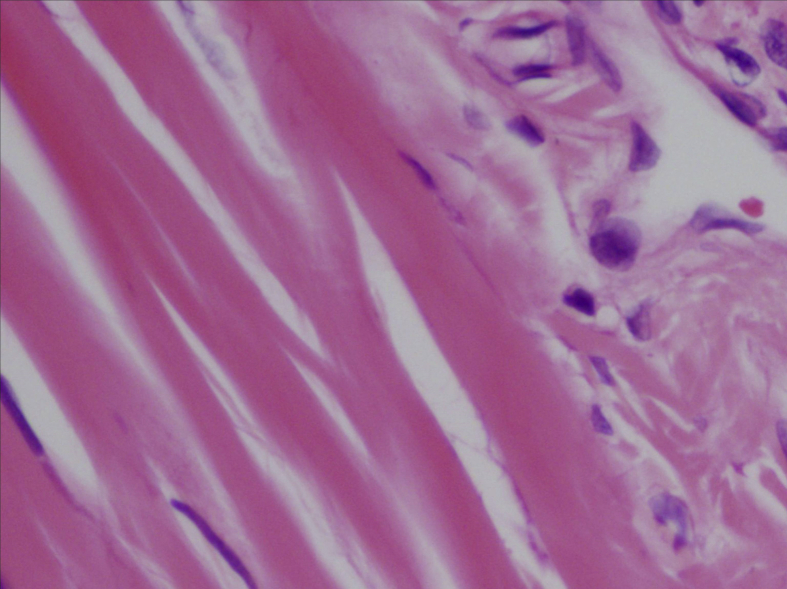
Materials & methods: Sixteen rats were divided into two groups including the control group (n = 8) and isotretinoin group (n = 8). The control group received 1.42 ml/kg soy oil per day whereas the isotretinoin group received 15 mg/kg/day (gavage dose 1.42 ml/kg) isotretinoin dissolved in soy oil through gavage method for 6 weeks. Achilles tendons were excised at the end of week 6. The tendon samples were evaluated by hematoxylin-eosin under a light microscope. Quantitative evaluation was performed via Movin and Bonar scoring. A computer-monitored tensile testing machine was utilised for biomechanical testing. Biomechanical characteristics of the tendon samples (elastic modulus, yield force, ultimate tensile force) were measured.
Results: Histopathological evaluation revealed a significantly higher Movin and Bonar scores in histopathological evaluation. Movin score in isotretinoin group was 4.1 ± 2.5 and it was 2.3 ± 1.0 in control group (p = 0.032). Bonar score in isotretinoin group was 2.9 ± 1.4 and it was 1.6 ± 0.7 in control group (p = 0.022). In line with histopathological evaluation, biomechanical measurements in isotretinoin group (elastic modulus, yield force, ultimate tensile force) were significantly lower than the control group. Elastic modulus in isotretinoin group was 227 ± 27.7 N/mm2 and in control group it was 281.7 ± 38.7 N/mm2 (p = 0.006). In isotretinoin group; yield force was 33.7 ± 4.3 Pa and in control group it was 40.8 ± 5.9 Pa (p = 0.021). Ultimate tensile force in isotretinoin group was 35.7 ± 4.2 Pa and in control group it was 44 ± 7 Pa (p = 0.009).
Conclusion: The present study detected histopathological and biomechanical negative effect of isotretinoin on Achilles tendon. Therefore, isotretinoin should be questioned in medical history of patients with tendinopathy.
Keywords: Biomechanic; Isotretinoin; Rat; Tendinopathy; Tendon.
Copyright © 2018 Turkish Association of Orthopaedics and Traumatology. All rights reserved.
Figures
References
-
- McLane J. Analysis of common side effects of isotretinoin. J Am Acad Dermatol. 2001;45:S188–S194. - PubMed
-
- Kaleagasioglu F., Olcay E., Olgac V. Statin-induced calcific Achilles tendinopathy in rats: comparison of biomechanical and histopathological effects of simvastatin, atorvastatin and rosuvastatin. Knee Surg Sports Traumatol Arthrosc. 2017 Jun;25:1884–1891. - PubMed
-
- Olcay E., Beytemur O., Kaleagasioglu F. Oral toxicity of pefloxacin, norfloxacin, ofloxacin and ciprofloxacin: comparison of biomechanical and histopathological effects on Achilles tendon in rats. J Toxicol Sci. 2011;36:339–345. - PubMed
-
- de Oliveira L.P., Vieira C.P., Da Re Guerra F. Statins induce biochemical changes in the Achilles tendon after chronic treatment. Toxicology. 2013;311:162–168. - PubMed
-
- de Oliveira L.P., Vieira C.P., Guerra F.D. Structural and biomechanical changes in the Achilles tendon after chronic treatment with statins. Food Chem Toxicol. 2015;77:50–57. - PubMed
MeSH terms
Substances
LinkOut - more resources
Full Text Sources
Other Literature Sources
Medical