


Identifying the Species of Seeds in Traditional Chinese Medicine Using DNA Barcoding
- PMID: 30018552
- PMCID: PMC6037847
- DOI: 10.3389/fphar.2018.00701
Identifying the Species of Seeds in Traditional Chinese Medicine Using DNA Barcoding
Abstract
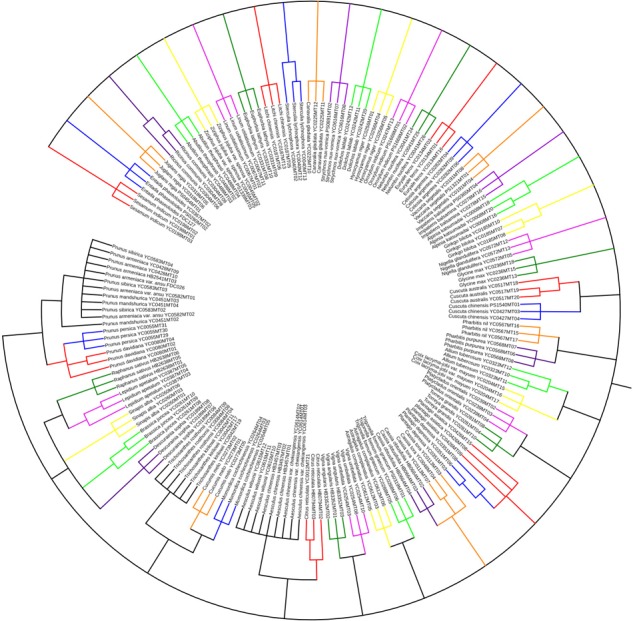
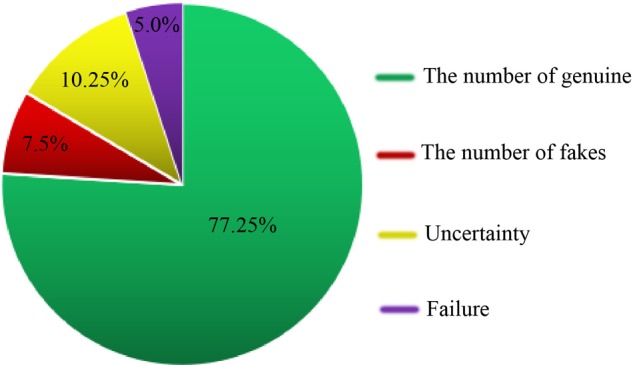
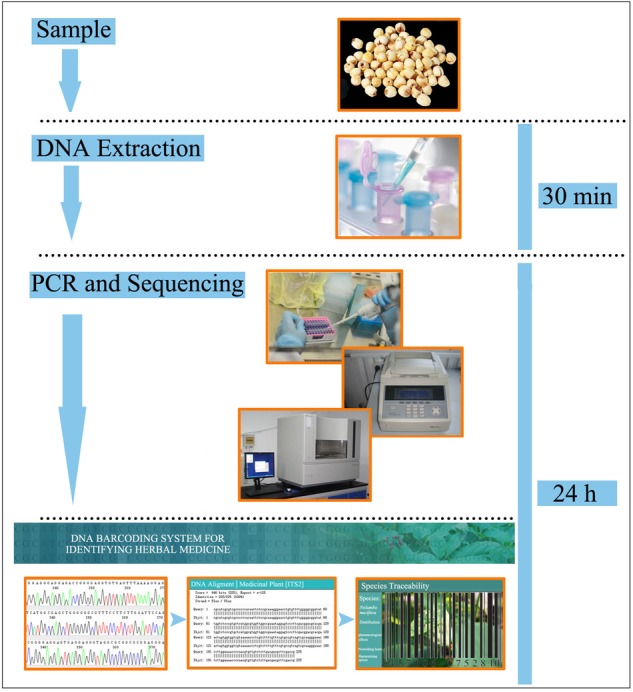
Seed is not only the main reproductive organ of most of herbal plants but also an important part of Traditional Chinese Medicine (TCM). Seed TCMs possess important medicinal properties and have been widely used as components of pharmaceutical products. In parallel with the increasing popularity and accessibility of seeds as medicinal products in recent years, numerous substitutes and adulterants have also appeared on the market. Due to the small volume and similar appearances of many seed TCMs, they are very difficult to accurately identify the constituent plant species through organoleptic methods. Usage of the wrong herb may be ineffective or may worsen the condition and even cause death. Correct identification of seed herbal medicines is therefore essential for their safe use. Here, we acquired 177 ITS2 sequences and 15 psbA-trnH sequences from 51 kinds of seed TCMs belonging to 64 species that have been described in the Chinese Pharmacopoeia. Tree-building analysis showed that the ITS2 sequences of 48 seed TCMs can be differentiated from each other, and they formed distinct, non-overlapping groups in the maximum-likelihood tree. Furthermore, all of the sequences acquired in this study have been submitted to the public DNA barcoding system for herbal medicine, and this integrated database was used to identify 400 seed TCM samples purchased from medicinal markets, drug stores, and the Internet, enabling the identification of 7.5% of the samples as containing non-declared species. This study provides a brief operating procedure for the identification of seed TCMs found in herbal medicine. In the future, researchers and traditional herbal medicine enterprises can use this system to test their herbal materials.
Keywords: DNA barcoding; Traditional Chinese Medicine; database construction; market surveys of seed medicines; seed medicinal materials; species identification.
Figures
References
-
- Alaghemand A., Ghorbanpour M., Asli D. E., Moghaddasian B. (2013). Calcium fertilization effects on hyoscyamine and scopolamine accumulation in henbane (Hyoscyamus niger L.) under hydroponic culture. Eur. J. Exp. Biol. 3 228–232.
-
- Armani A., Guardone L., La Castellana R., Gianfaldoni D., Guidi A., Castigliego L. (2015). DNA barcoding reveals commercial and health issues in ethnic seafood sold on the Italian market. Food Control 55 206–214. 10.1016/j.foodcont.2015.02.030 - DOI
-
- Barbuto M., Galimberti A., Ferri E., Labra M., Malandra R., Galli P., et al. (2010). DNA barcoding reveals fraudulent substitutions in shark seafood products: the Italian case of “palombo” (Mustelus spp.). Food Res. Int. 43 376–381. 10.1016/j.foodres.2009.10.009 - DOI
-
- Busse W. (2000). The significance of quality for efficacy and safety of herbal medicinal products. Drug Inf. J. 34 15–23. 10.1177/009286150003400102 - DOI
-
- But P. H., Shaw P. C., Jiang R. W., Chan Y. M. (2007). Method of Herbal Authentication Based on 5S rRNA Spacer Sequences. U.S. Patent No. 20070015192 Washington, DC: U.S. Patent and Trademark Office.
LinkOut - more resources
Full Text Sources
Other Literature Sources
