


Ictal asystole: a case presentation
- PMID: 30031379
- PMCID: PMC6054725
- DOI: 10.1186/s12883-018-1105-5
Ictal asystole: a case presentation
Abstract
Background: Epileptic seizures can lead to cardiac arrhythmias. The arrhythmias may be in the form of tachycardia, bradycardia or asystole. Ictal bradycardia and asystole can lead to sudden unexpected death.
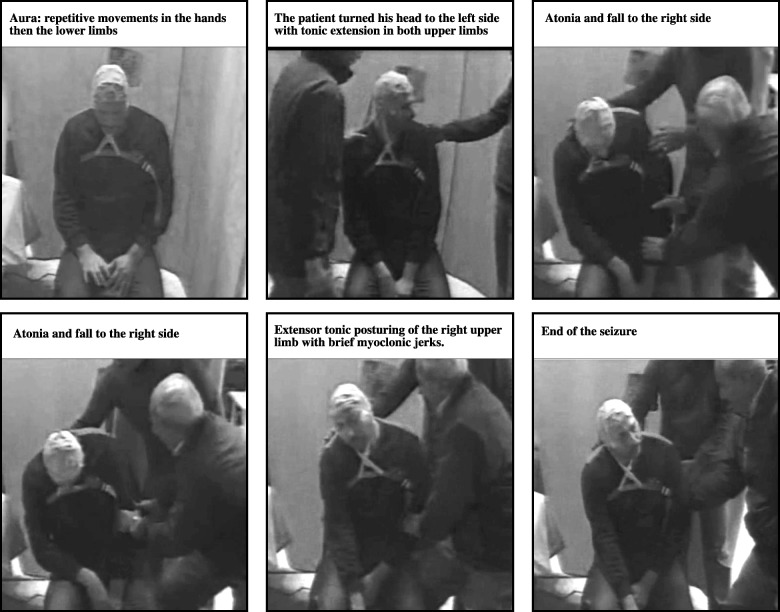
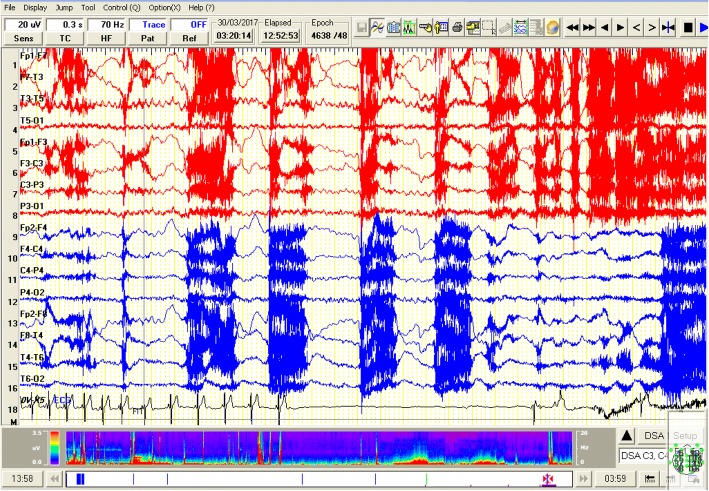
Case presentation: A case report of a 40-year-old male with complex partial temporal lobe epilepsy. He has coincident attacks of fall and pallor. The patient underwent simultaneous electrocardiogram (ECG) and video electroencephalogram (EEG) monitoring. The slow activity in EEG coincide with the appearance of bradycardia in ECG then cardiac asystole which clinically correspond to the patient syncope. After insertion of a cardiac pacemaker, only complex partial attacks develop with a marked reduction in frequency and no more fall attacks.
Conclusion: Epileptic seizures can present with cardiac arrhythmias, with ictal asystole leading to sudden unexpected death. Simultaneous EEG and ECG are essential for the diagnosis. A cardiac pacemaker can be lifesaving for patients with ictal arrhythmias.
Keywords: Cardiac arrhythmia; Epilepsy; Ictal asystole; Pacemaker; Simultaneous ECG and EEG.
Conflict of interest statement
Ethics approval and consent to participate
This research is approved by the research ethics committee of the faculty of medicine, Cairo University. An informed written consent was taken from the patient to participate in the study.
Consent for publication
The authors have obtained an informed written consent from the patient to publish any data, image or video related to his case and that these data will be accessible to anyone through the internet.
Competing interests
The authors declare that they have no competing interests.
Publisher’s Note
Springer Nature remains neutral with regard to jurisdictional claims in published maps and institutional affiliations.
Figures
References
Publication types
MeSH terms
LinkOut - more resources
Full Text Sources
Other Literature Sources
Medical
