


Intrinsic and Extrinsic Factors Impacting Absorption, Metabolism, and Health Effects of Dietary Carotenoids
- PMID: 30032230
- PMCID: PMC6054194
- DOI: 10.1093/advances/nmy025
Intrinsic and Extrinsic Factors Impacting Absorption, Metabolism, and Health Effects of Dietary Carotenoids
Abstract
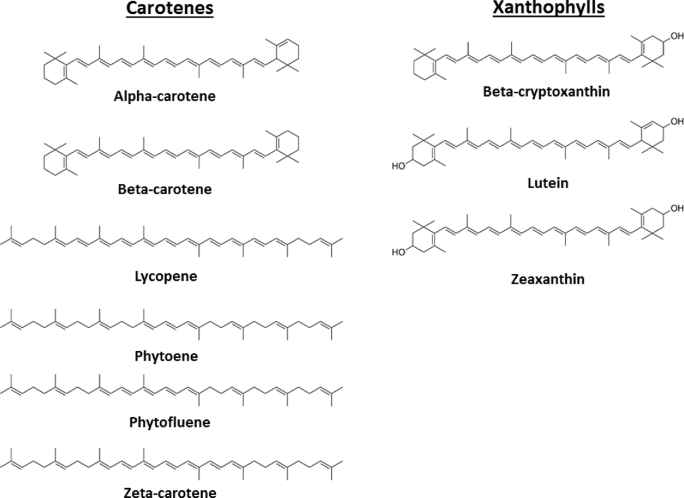
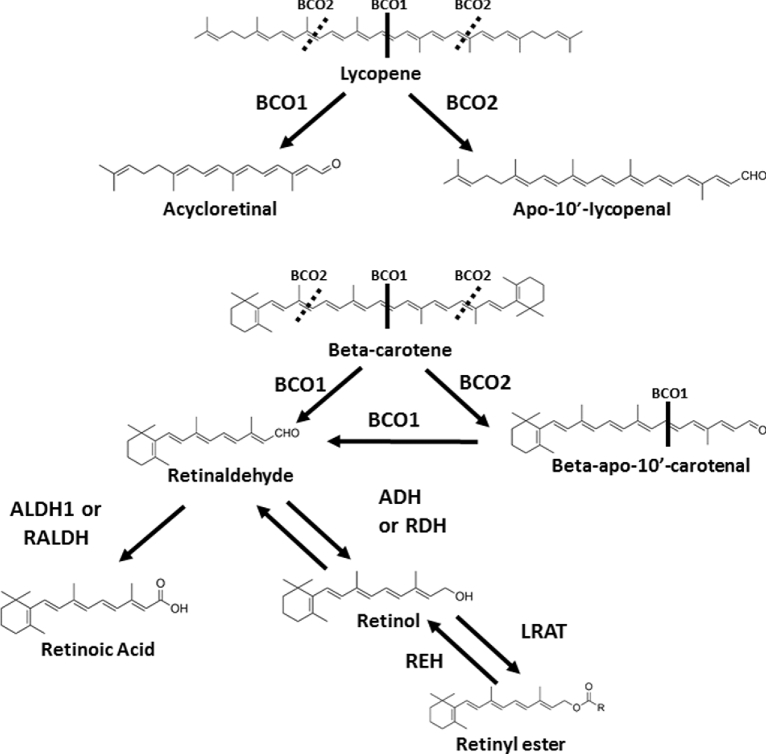
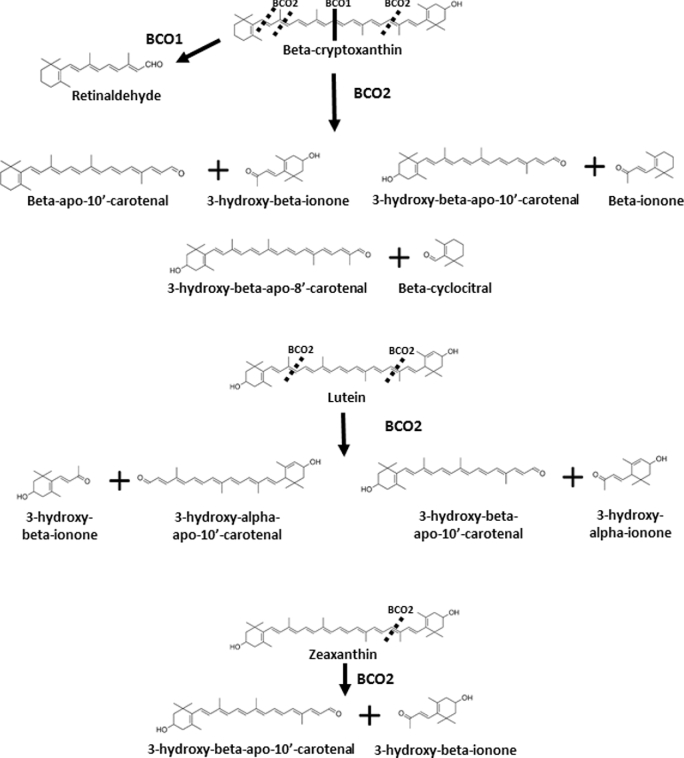
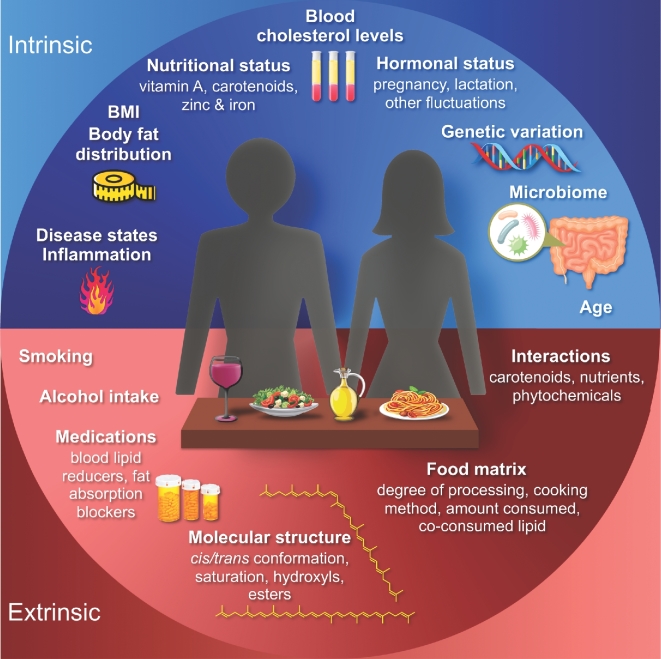
Carotenoids are orange, yellow, and red lipophilic pigments present in many fruit and vegetables, as well as other food groups. Some carotenoids contribute to vitamin A requirements. The consumption and blood concentrations of specific carotenoids have been associated with reduced risks of a number of chronic conditions. However, the interpretation of large, population-based observational and prospective clinical trials is often complicated by the many extrinsic and intrinsic factors that affect the physiologic response to carotenoids. Extrinsic factors affecting carotenoid bioavailability include food-based factors, such as co-consumed lipid, food processing, and molecular structure, as well as environmental factors, such as interactions with prescription drugs, smoking, or alcohol consumption. Intrinsic, physiologic factors associated with blood and tissue carotenoid concentrations include age, body composition, hormonal fluctuations, and variation in genes associated with carotenoid absorption and metabolism. To most effectively investigate carotenoid bioactivity and to utilize blood or tissue carotenoid concentrations as biomarkers of intake, investigators should either experimentally or statistically control for confounding variables affecting the bioavailability, tissue distribution, and metabolism of carotene and xanthophyll species. Although much remains to be investigated, recent advances have highlighted that lipid co-consumption, baseline vitamin A status, smoking, body mass and body fat distribution, and genetics are relevant covariates for interpreting blood serum or plasma carotenoid responses. These and other intrinsic and extrinsic factors are discussed, highlighting remaining gaps in knowledge and opportunities for future research. To provide context, we review the state of knowledge with regard to the prominent health effects of carotenoids.
Figures
References
-
- Krinsky NI, Johnson EJ. Carotenoid actions and their relation to health and disease. Mol Aspects Med 2005;26:459–516. - PubMed
-
- Aune D, Chan DS, Vieira AR, Rosenblatt DAN, Vieira R, Greenwood DC, Norat T. Dietary compared with blood concentrations of carotenoids and breast cancer risk: a systematic review and meta-analysis of prospective studies. Am J Clin Nutr 2012;96:356–73. - PubMed
Publication types
MeSH terms
Substances
Grants and funding
LinkOut - more resources
Full Text Sources
Other Literature Sources
