Review
. 2018 Aug 29;38(4):BSR2018032300.
doi: 10.1042/BSR20180323. Print 2018 Sep 3.

Chitinase: diversity, limitations, and trends in engineering for suitable applications

Affiliations
Review

Chitinase: diversity, limitations, and trends in engineering for suitable applications

Ayokunmi Oyeleye et al. Biosci Rep. .

Abstract

Chitinases catalyze the degradation of chitin, a ubiquitous polymer generated from the cell walls of fungi, shells of crustaceans, and cuticles of insects. They are gaining increasing attention in medicine, agriculture, food and drug industries, and environmental management. Their roles in the degradation of chitin for the production of industrially useful products and in the control of fungal pathogens and insect pests render them attractive for such purposes. However, chitinases have diverse sources, characteristics, and mechanisms of action that seem to restrain optimization procedures and render standardization techniques for enhanced practical applications complex. Hence, results of laboratory trials are not usually consistent with real-life applications. With the growing field of protein engineering, these complexities can be overcome by modifying or redesigning chitinases to enhance specific features required for specific applications. In this review, the variations in features and mechanisms of chitinases that limit their exploitation in biotechnological applications are compiled. Recent attempts to engineer chitinases for improved efficiency are also highlighted.

Keywords: Chitinases; biocontrol; chitooligosaccharides; protein engineering; variability.


Figures

Figure 1
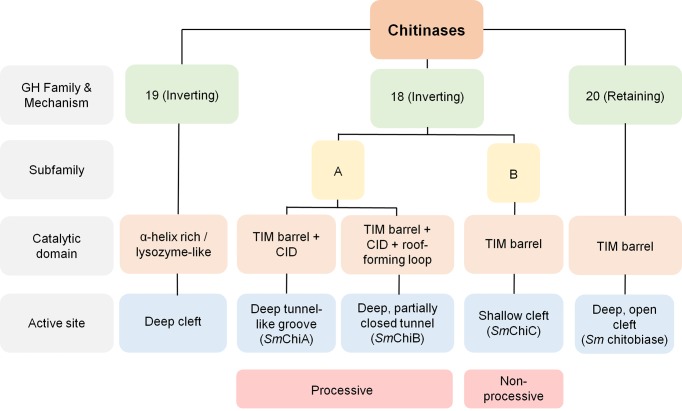
Figure 1. Classification of bacteria chitinases based on mechanism of activity and shape of catalytic domain
Figure 2
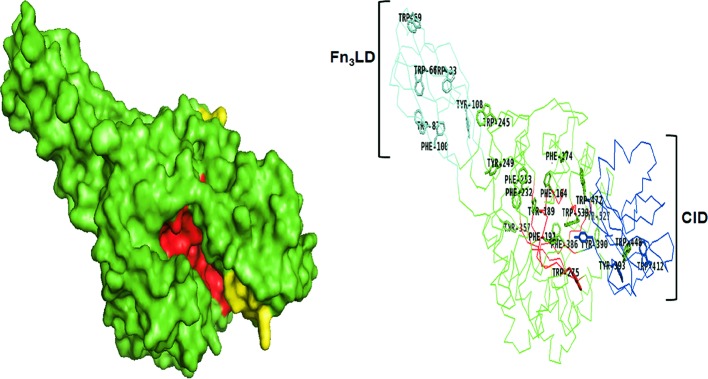
Figure 2. SmChiA (PDB ID:1EDQ).
Surface model shows deep, open tunnel-like groove (red) with a short loop (yellow). Ribbon model shows the Fn3LD (cyan) and CID (blue) extending the substrate-binding site which is lined with aromatic residues (shown as sticks) from the N-terminus to the C-terminus.
Figure 3
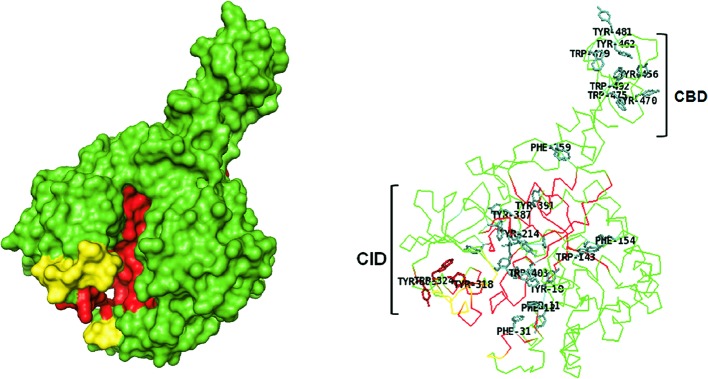
Figure 3. SmChiB (PDB ID: 1E15)
Surface model shows deep, tunnel-like catalytic groove (red), with loops (yellow ) forming a partially closed roof. Ribbon model shows extended substrate-binding groove rich in aromatic residues (shown as sticks), lined from the N-terminus to the C-terminus.
Figure 4
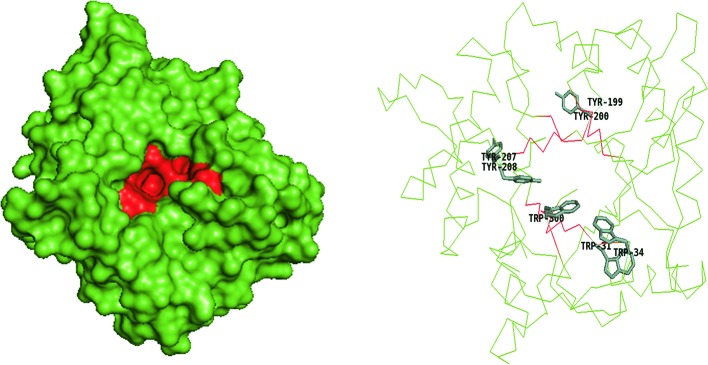
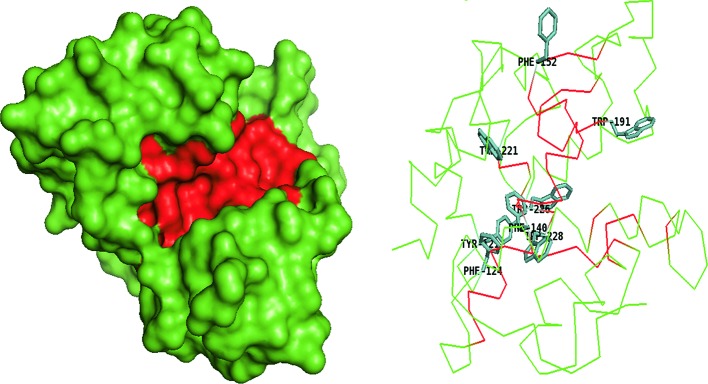
Figure 4. Catalytic domain of non-processive SmChiC (PDB ID: 4AXN)
Surface model with pocket shaped cleft (red) and ribbon model showing few aromatic residues (green sticks).
Figure 5
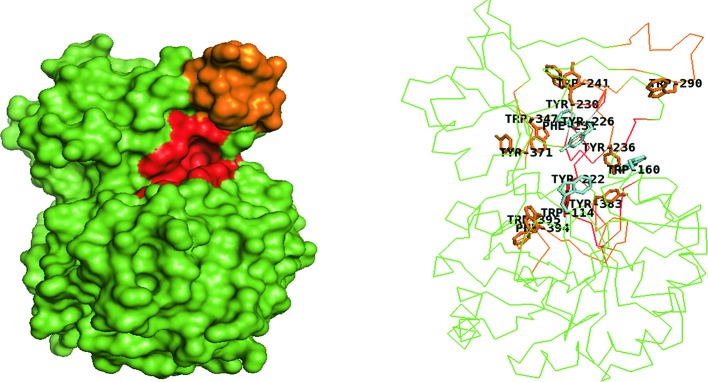
Figure 5. Catalytic domain of a transglycosylating chitinase, SpChiD PDB ID: 4NZC
Surface model shows an open, shallow cleft (red), restricted by a loop (orange). Ribbon model shows more aromatic residues (orange sticks) buried within the loops obstructing the catalytic cleft than surface exposed aromatic residues (green sticks).
Figure 6
Figure 6. Catalytic domain of SgChiC (PDB ID: 1WVU)
Surface model shows wide and deep cleft (red) found in GH family 19 chitinases. Ribbon model reveals few aromatic residues (green sticks) in the deep cleft.
Figure 7
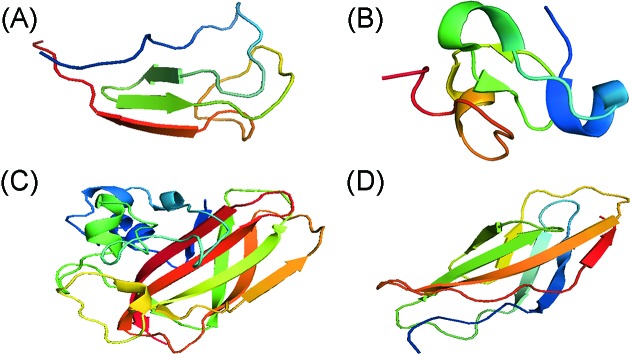
Figure 7. Putative CBDs among chitinases
(A) CBD (belonging to .CBM-5) of Streptomyces griseus chitinase C (PDB ID: 2D49). (B) Chitin-binding domian (belonging to CBM-18) of a chitinase-like protein from H. brasiliensis (PDB ID: 4MPI). (C) Chitin-binding protein (CBP-21) of S. marcescens (PDB ID: 2LHS). (D) Fn3LD of Bacillus circulans WL-12 chitinase A1 (PDB ID: 1K85).
Figure 8
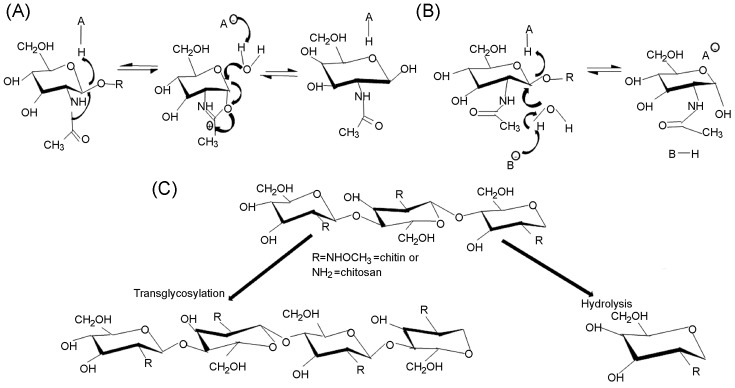
Figure 8. Mechanism of hydrolysis of glycosidic bonds in chitin
(A) and (B) represent the chitinase enzymatic acid and nucleophile/base respectively. (A) Retention by a substrate-assisted mechanism. The glycosidic oxygen is first protonated by the catalytic acid (A), while nucleophilic assistance is provided by the N-acetyl oxygen. A glycosidic–enzyme intermediate becomes hydrolyzed by a water molecule leading to a second displacement that generates a product in which the configuration of the anomeric carbon in the substrate is retained (B). Inversion of the stoichiometry of the carbon anomer in the product. Protonation of the glycosidic oxygen by the acidic residue (A) takes place simultaneously with the activation of a water molecule by the catalytic base (B), thus yielding a product with a reversed stoichiometry different from the substrate. (C) Mechanism of TG and hydrolysis by chitinases. R represents NHOCH3 in chitin and NH2 in chitosan (deacetylated chitin).
Figure 9
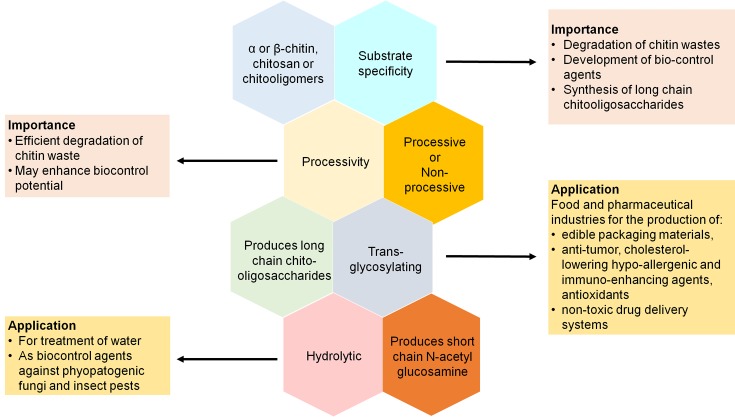
Figure 9. Substrate specificity and accessibility, hydrolysis/TG, and processivity can be modulated for suitable industrial applications

References

    1. Langner T. and Göhre V. (2016) Fungal chitinases: function, regulation, and potential roles in plant/pathogen interactions. Curr. Genet. 62, 243–254 10.1007/s00294-015-0530-x - DOI - PubMed
    1. Merzendorfer H. (2003) Chitin metabolism in insects: structure, function and regulation of chitin synthases and chitinases. J. Exp. Biol. 206, 4393–4412 10.1242/jeb.00709 - DOI - PubMed
    1. Hamed I., Özogul F. and Regenstein J.M. (2016) Industrial applications of crustacean by-products (chitin, chitosan, and chitooligosaccharides): a review. Trends Food Sci. Technol. 48, 40–50 10.1016/j.tifs.2015.11.007 - DOI
    1. Patil R.S., Ghormade V. and Deshpande M V. (2000) Chitinolytic enzymes: An exploration. Enzyme Microb. Technol. 26, 473–483 10.1016/S0141-0229(00)00134-4 - DOI - PubMed
    1. Yang S., Fu X., Yan Q., Guo Y., Liu Z. and Jiang Z. (2016) Cloning, expression, purification and application of a novel chitinase from a thermophilic marine bacterium Paenibacillus barengoltzii. Food Chem. 192, 1041–1048 10.1016/j.foodchem.2015.07.092 - DOI - PubMed

Publication types

LinkOut - more resources