


The Gut Microbiome as a Major Regulator of the Gut-Skin Axis
- PMID: 30042740
- PMCID: PMC6048199
- DOI: 10.3389/fmicb.2018.01459
The Gut Microbiome as a Major Regulator of the Gut-Skin Axis
Abstract
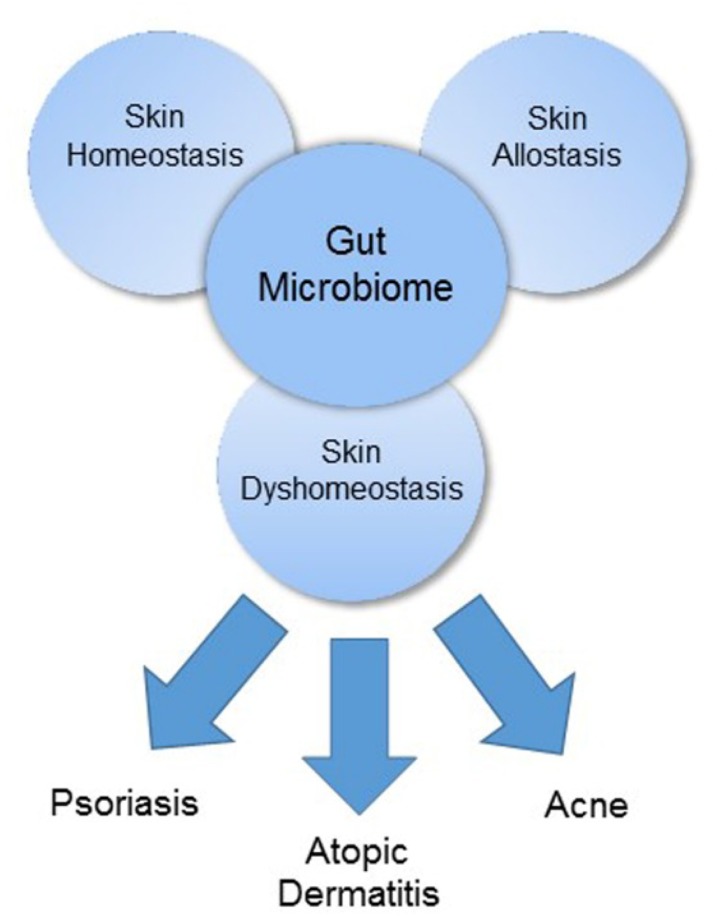
The adult intestine hosts a myriad of diverse bacterial species that reside mostly in the lower gut maintaining a symbiosis with the human habitat. In the current review, we describe the neoteric advancement in our comprehension of how the gut microbiota communicates with the skin as one of the main regulators in the gut-skin axis. We attempted to explore how this potential link affects skin differentiation and keratinization, its influence on modulating the cutaneous immune response in various diseases, and finally how to take advantage of this communication in the control of different skin conditions.
Keywords: acne vulgaris; atopic dermatitis; gut microbiome; probiotics; psoriasis; skin homeostasis.
Figures
References
-
- Agamia N. F., Abdallah D. M., Sorour O., Mourad B., Younan D. N. (2016). Skin expression of mammalian target of rapamycin and forkhead box transcription factor O1, and serum insulin-like growth factor-1 in patients with acne vulgaris and their relationship with diet. Br. J. Dermatol. 174 1299–1307. 10.1111/bjd.14409 - DOI - PubMed
Publication types
Grants and funding
LinkOut - more resources
Full Text Sources
Other Literature Sources
Medical
Molecular Biology Databases
