Review
. 2018 Jul 12:9:900.
doi: 10.3389/fphys.2018.00900. eCollection 2018.

The Gut-Brain Axis, the Human Gut Microbiota and Their Integration in the Development of Obesity

Affiliations
Review

The Gut-Brain Axis, the Human Gut Microbiota and Their Integration in the Development of Obesity

Edward S Bliss et al. Front Physiol. .

Abstract

Obesity is a global epidemic, placing socioeconomic strain on public healthcare systems, especially within the so-called Western countries, such as Australia, United States, United Kingdom, and Canada. Obesity results from an imbalance between energy intake and energy expenditure, where energy intake exceeds expenditure. Current non-invasive treatments lack efficacy in combating obesity, suggesting that obesity is a multi-faceted and more complex disease than previously thought. This has led to an increase in research exploring energy homeostasis and the discovery of a complex bidirectional communication axis referred to as the gut-brain axis. The gut-brain axis is comprised of various neurohumoral components that allow the gut and brain to communicate with each other. Communication occurs within the axis via local, paracrine and/or endocrine mechanisms involving a variety of gut-derived peptides produced from enteroendocrine cells (EECs), including glucagon-like peptide 1 (GLP1), cholecystokinin (CCK), peptide YY3-36 (PYY), pancreatic polypeptide (PP), and oxyntomodulin. Neural networks, such as the enteric nervous system (ENS) and vagus nerve also convey information within the gut-brain axis. Emerging evidence suggests the human gut microbiota, a complex ecosystem residing in the gastrointestinal tract (GIT), may influence weight-gain through several inter-dependent pathways including energy harvesting, short-chain fatty-acids (SCFA) signalling, behaviour modifications, controlling satiety and modulating inflammatory responses within the host. Hence, the gut-brain axis, the microbiota and the link between these elements and the role each plays in either promoting or regulating energy and thereby contributing to obesity will be explored in this review.

Keywords: cholecystokinin (CCK); glucagon-like peptide 1 (GLP1); gut-brain axis; lipopolysaccharide (LPS); microbiota; obesity; peptide YY3−36 (PYY); short-chain fatty-acids (SCFA).


Figures
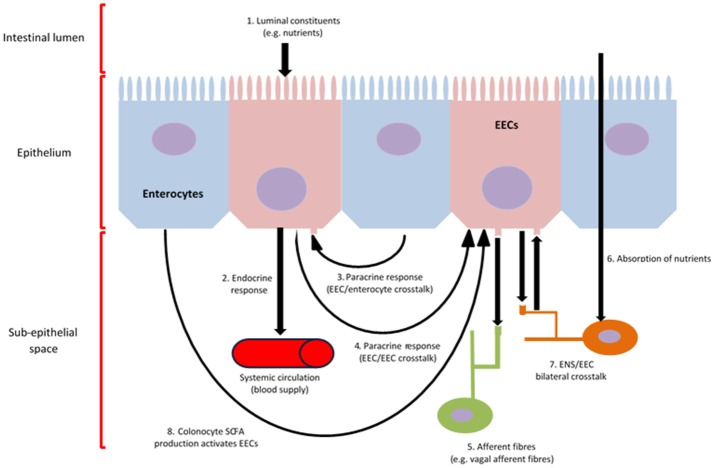
Figure 1
Figure 1
EEC function and communication. Intracellular metabolism and activation of chemoreceptors located on the apical cell membrane of EECs, result in calcium influx, which induces the synthesis and release of gut hormones into the sub-epithelial space (1, 4) (Psichas et al., 2015). Various gut-derived hormones are synthesised and secreted in response to luminal constituents and released from EECs systemically to induce an effect on various tissues throughout the body, such as the brain, via, metabolic, local, paracrine (3) and/or endocrine (2) action, as well as the activation of afferent neurons innervating the GIT wall (5, 6, 7, 8) (Psichas et al., 2015). Further, EEC/ENS crosstalk can result from the direct absorption of nutrients through the intestine (7). The production of SCFA by the microbiome, which can be subsequently utilised by colonocytes as an energy source, can activate EECs, thus contributing to gut-brain activation (8).
Figure 2
Figure 2
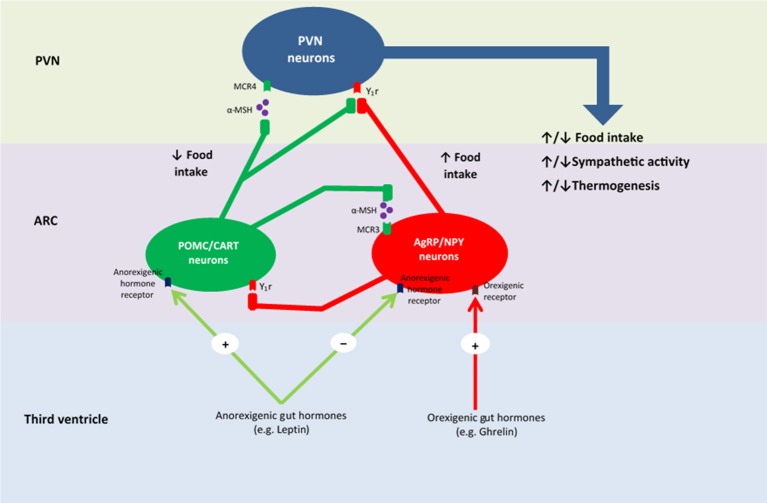
Proposed mechanism of energy homeostasis within the hypothalamus. PVN, paraventricular nucleus; ARC, arcuate nucleus; MCR4, melanocortin 4 receptor; α-MSH, α- melanocortin-stimulating hormone; MCR3, melanocortin 3 receptor; Y1r, neuropeptide Y receptor type 1; POMC, pro-opiomelanocortin; CART, cocaine- and amphetamine-regulated transcript; NPY, neuropeptide Y; AgRP, agouti-related protein.
Figure 3
Figure 3
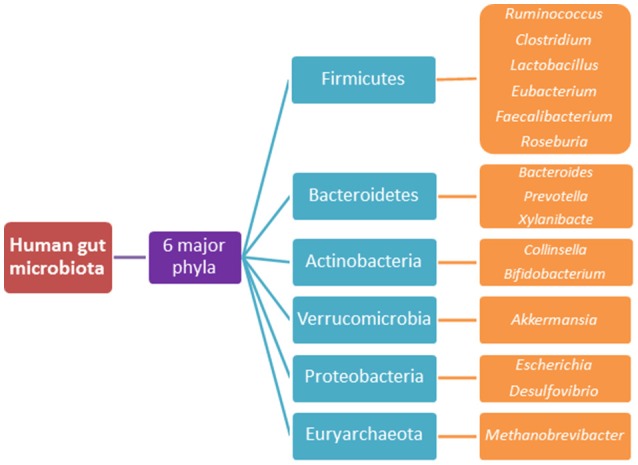
The 6 major phyla of the human gut microbiota and their predominant species.
Figure 4
Figure 4
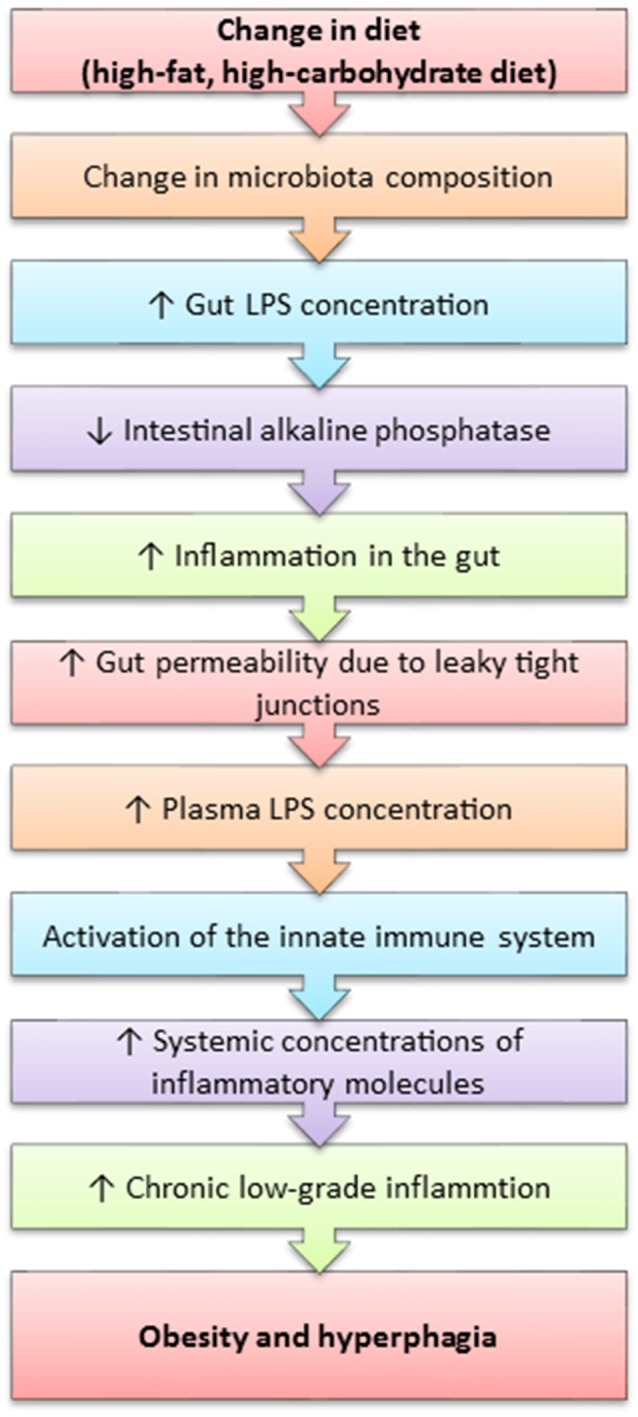
A mechanism outlining how high-fat feeding leads to obesity and polyphagia.
Figure 5
Figure 5
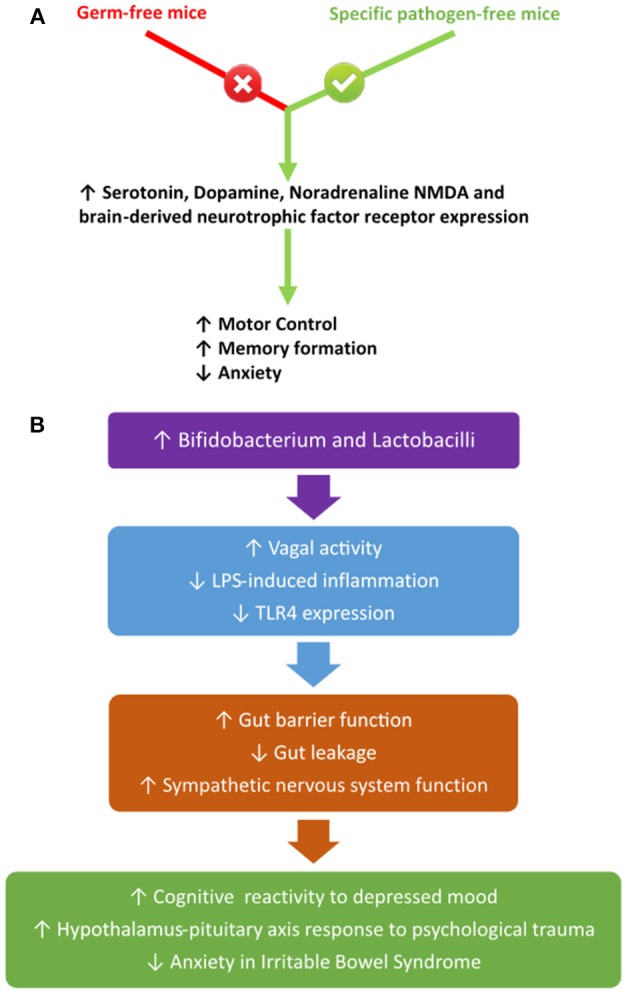
The influence of different bacterial species on the vagus nerve (A) and its systemic impact (B).
Figure 6
Figure 6
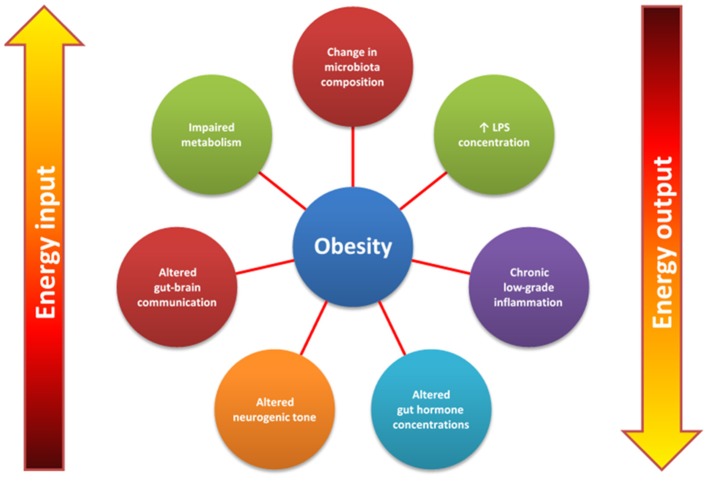
Summary of the effects of an altered microbiota on the gut-brain axis contributing to obesity. This figure summarises the different factors determinants, which have been mentioned throughout this review, that link the gut microbiota with the gut-brain axis in the development of obesity. These include a change in the microbiota composition, increased LPS concentrations culminating in an increase in gut permeability and chronic low-grade inflammation, as well as an increase in energy intake and decrease in energy expenditure.

References

    1. Abbott C. R., Monteiro M., Small C. J., Sajedi A., Smith K. L., Parkinson J. R. C., et al. (2005). The inhibitory effects of peripheral administration of peptide YY3–36 and glucagon-like peptide-1 on food intake are attenuated by ablation of the vagal–brainstem–hypothalamic pathway. Brain Res. 1044, 127–131. 10.1016/j.brainres.2005.03.011 - DOI - PubMed
    1. Abdel-Salam O. M. (2014). Capsaicin As a Therapeutic Molecule. Basel: Springer. - PubMed
    1. Adam T. C., Westerterp-Plantenga M. S. (2005). Glucagon-like peptide-1 release and satiety after a nutrient challenge in normal-weight and obese subjects. Br. J. Nutr. 93, 845–851. 10.1079/BJN20041335 - DOI - PubMed
    1. Adrian T. E., Bloom S. R., Bryant M. G., Polak J. M., Heitz P. H., Barnes A. J. (1976). Distribution and release of human pancreatic polypeptide. Gut 17, 940–944. 10.1136/gut.17.12.940 - DOI - PMC - PubMed
    1. Adrian T. E., Ferri G. L., Bacarese-Hamilton A. J., Fuessl H. S., Polak J. M., Bloom S. R. (1985). Human distribution and release of a putative new gut hormone, peptide YY. Gastroenterology 89, 1070–1077. 10.1016/0016-5085(85)90211-2 - DOI - PubMed

LinkOut - more resources