


Rutin as a Potent Antioxidant: Implications for Neurodegenerative Disorders
- PMID: 30050657
- PMCID: PMC6040293
- DOI: 10.1155/2018/6241017
Rutin as a Potent Antioxidant: Implications for Neurodegenerative Disorders
Abstract
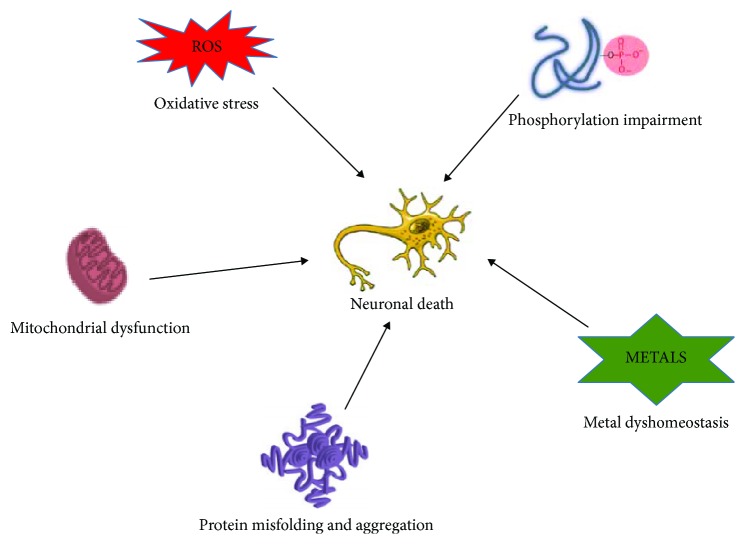
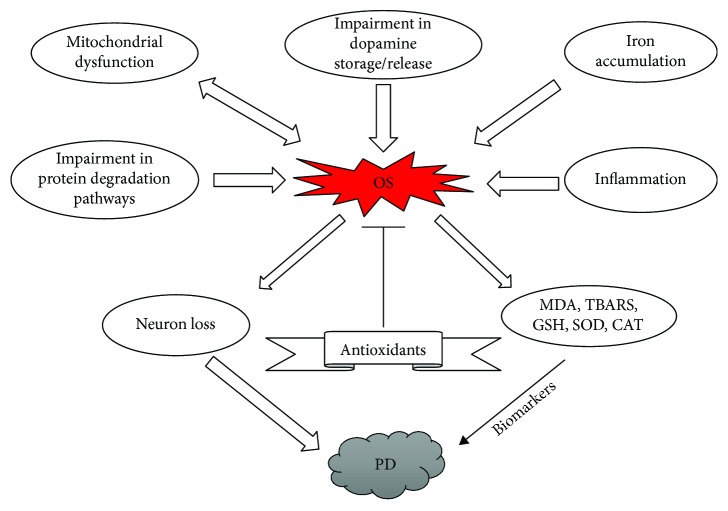
A wide range of neurodegenerative diseases (NDs), including Alzheimer's disease, Parkinson's disease, Huntington's disease, and prion diseases, share common mechanisms such as neuronal loss, apoptosis, mitochondrial dysfunction, oxidative stress, and inflammation. Intervention strategies using plant-derived bioactive compounds have been offered as a form of treatment for these debilitating conditions, as there are currently no remedies to prevent, reverse, or halt the progression of neuronal loss. Rutin, a glycoside of the flavonoid quercetin, is found in many plants and fruits, especially buckwheat, apricots, cherries, grapes, grapefruit, plums, and oranges. Pharmacological studies have reported the beneficial effects of rutin in many disease conditions, and its therapeutic potential in several models of NDs has created considerable excitement. Here, we have summarized the current knowledge on the neuroprotective mechanisms of rutin in various experimental models of NDs. The mechanisms of action reviewed in this article include reduction of proinflammatory cytokines, improved antioxidant enzyme activities, activation of the mitogen-activated protein kinase cascade, downregulation of mRNA expression of PD-linked and proapoptotic genes, upregulation of the ion transport and antiapoptotic genes, and restoration of the activities of mitochondrial complex enzymes. Taken together, these findings suggest that rutin may be a promising neuroprotective compound for the treatment of NDs.
Figures




References
-
- WHO. Global Burden of Disease. Geneva, Switzerland: World Health Organization; 2004.
-
- Kovacs G. G. Current concepts of neurodegenerative diseases. European Medical Journal Neurology. 2014;2(1):78–86.
Publication types
MeSH terms
Substances
LinkOut - more resources
Full Text Sources
Other Literature Sources
Medical
Molecular Biology Databases
