Mitochondria and cardiovascular diseases-from pathophysiology to treatment
- PMID: 30069458
- PMCID: PMC6046286
- DOI: 10.21037/atm.2018.06.21
Mitochondria and cardiovascular diseases-from pathophysiology to treatment
Abstract
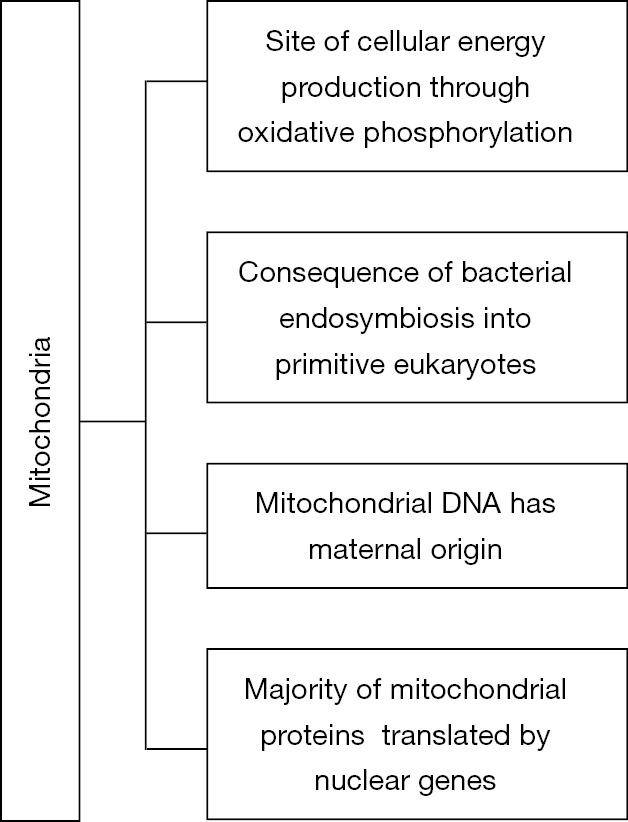
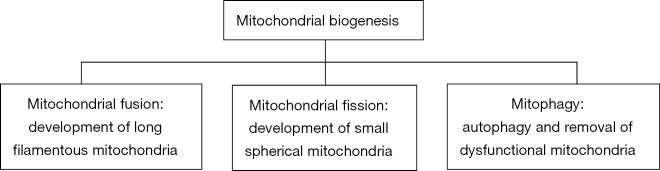
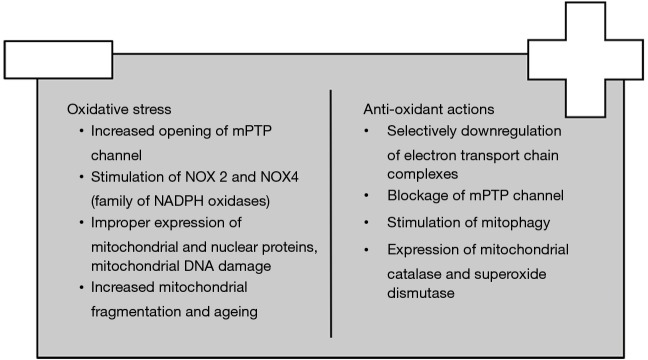
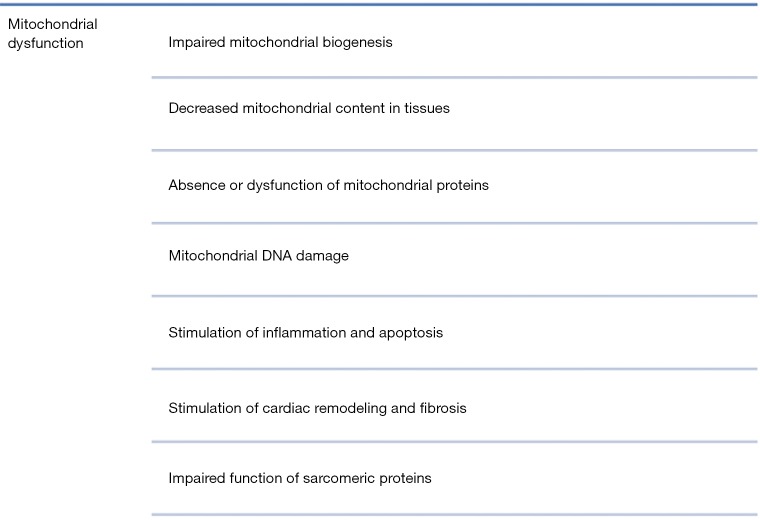
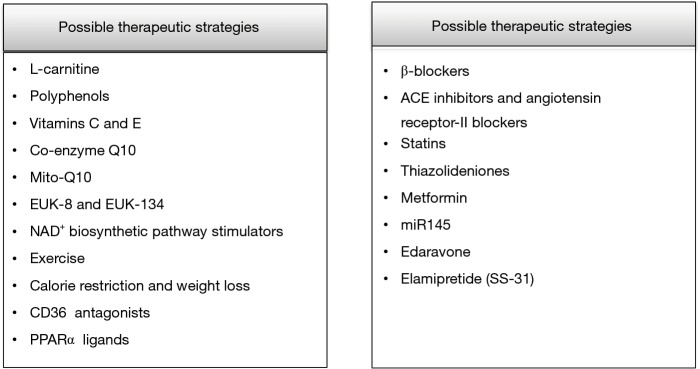
Mitochondria are the source of cellular energy production and are present in different types of cells. However, their function is especially important for the heart due to the high demands in energy which is achieved through oxidative phosphorylation. Mitochondria form large networks which regulate metabolism and the optimal function is achieved through the balance between mitochondrial fusion and mitochondrial fission. Moreover, mitochondrial function is upon quality control via the process of mitophagy which removes the damaged organelles. Mitochondrial dysfunction is associated with the development of numerous cardiac diseases such as atherosclerosis, ischemia-reperfusion (I/R) injury, hypertension, diabetes, cardiac hypertrophy and heart failure (HF), due to the uncontrolled production of reactive oxygen species (ROS). Therefore, early control of mitochondrial dysfunction is a crucial step in the therapy of cardiac diseases. A number of anti-oxidant molecules and medications have been used but the results are inconsistent among the studies. Eventually, the aim of future research is to design molecules which selectively target mitochondrial dysfunction and restore the capacity of cellular anti-oxidant enzymes.
Keywords: Mitochondria; cardiovascular disease; oxidative stress; treatment.
Conflict of interest statement
Conflicts of Interest: The authors have no conflicts of interest to declare.
Figures
References
Publication types
LinkOut - more resources
Full Text Sources
Other Literature Sources
Research Materials
Miscellaneous