


Human Milk Nutrient Composition in the United States: Current Knowledge, Challenges, and Research Needs
- PMID: 30087951
- PMCID: PMC6063275
- DOI: 10.1093/cdn/nzy025
Human Milk Nutrient Composition in the United States: Current Knowledge, Challenges, and Research Needs
Abstract
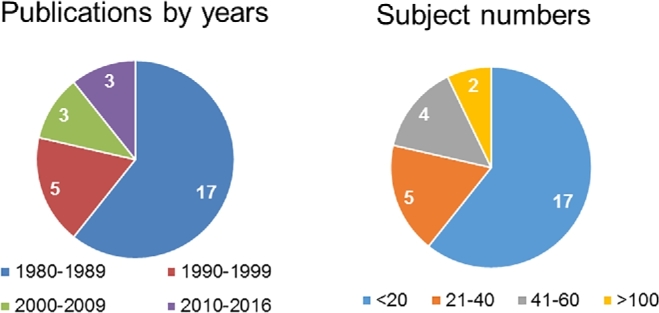
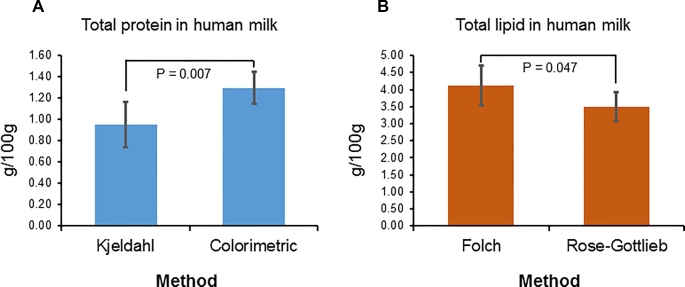
Human milk is considered to be the ideal food for infants. Accurate, representative, and up-to-date nutrient composition data of human milk are crucial for the management of infant feeding, assessment of infant and maternal nutritional needs, and as a guide for developing infant formula. Currently in the United States, the nutrient profiles of human milk can be found in the USDA National Nutrient Database for Standard Reference, and in books or review articles. Nonetheless, these resources all suffer major drawbacks, such as being outdated, incomplete profiles, limited sources of data, and uncertain data quality. Furthermore, no nutrient profile was developed specifically for the US population. The purposes of this review were to summarize the current knowledge of human milk nutrient composition from studies conducted in the United States and Canada, and to identify the knowledge gaps and research needs. The literature review was conducted to cover the years 1980-2017, and 28 research papers were found containing original data on macronutrients and micronutrients. Most of these 28 studies were published before 1990 and mainly examined samples from small groups of generally healthy lactating women. The experimental designs, including sampling, storage, and analytic methods, varied substantially between the different studies. Data of several components from these 28 studies showed some consistency for 1-6 mo postpartum, especially for protein, fat, lactose, energy, and certain minerals (e.g., calcium). The data for 7-12 mo postpartum and for other nutrients are very scarce. Comprehensive studies are required to provide current and complete nutrient information on human milk in the United States.
Keywords: USDA Food Data System; composition; database; human milk; nutrient.
Figures
References
-
- Section on Breastfeeding. Breastfeeding and the use of human milk. Pediatrics 2012;129(3):e827–41. - PubMed
-
- Butte N, Lopez-Alarcon M, Garza C. Nutrient adequacy of exclusive breastfeeding for the term infant during the first 6 months of life. Geneva: World Health Organization, 2001.
-
- Mosca F, Gianni ML. Human milk: composition and health benefits. Pediatr Med Chir 2017;39(2):155. - PubMed
-
- Shamir R. The benefits of breast feeding. Nestle Nutr Inst Workshop Ser 2016;86:67–76. - PubMed
Publication types
LinkOut - more resources
Full Text Sources
Other Literature Sources
