


Generalized logistic functions in modelling emergence of Brassica napus L
- PMID: 30092006
- PMCID: PMC6085063
- DOI: 10.1371/journal.pone.0201980
Generalized logistic functions in modelling emergence of Brassica napus L
Abstract
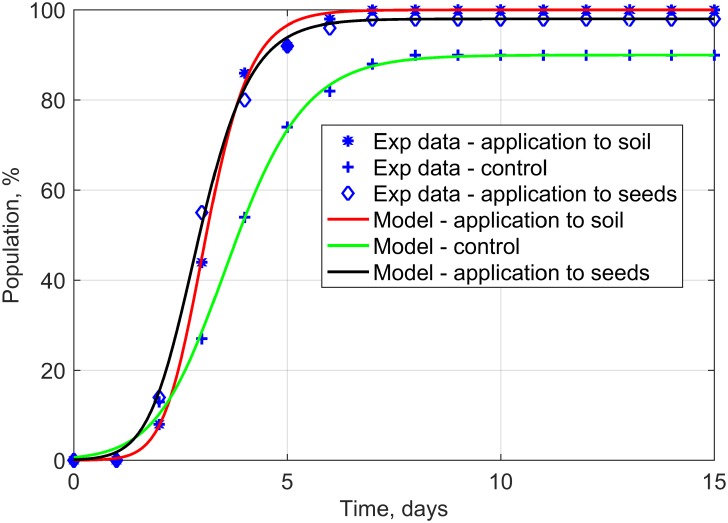
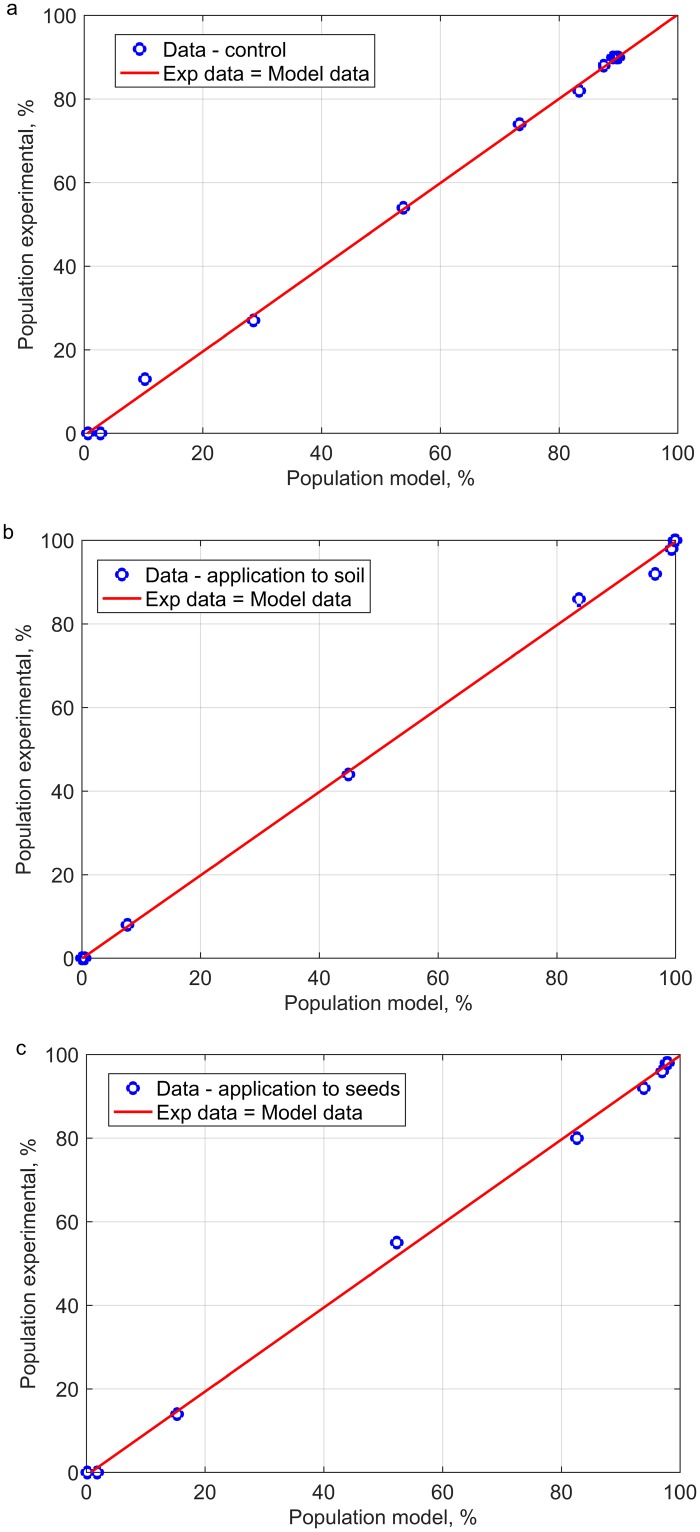
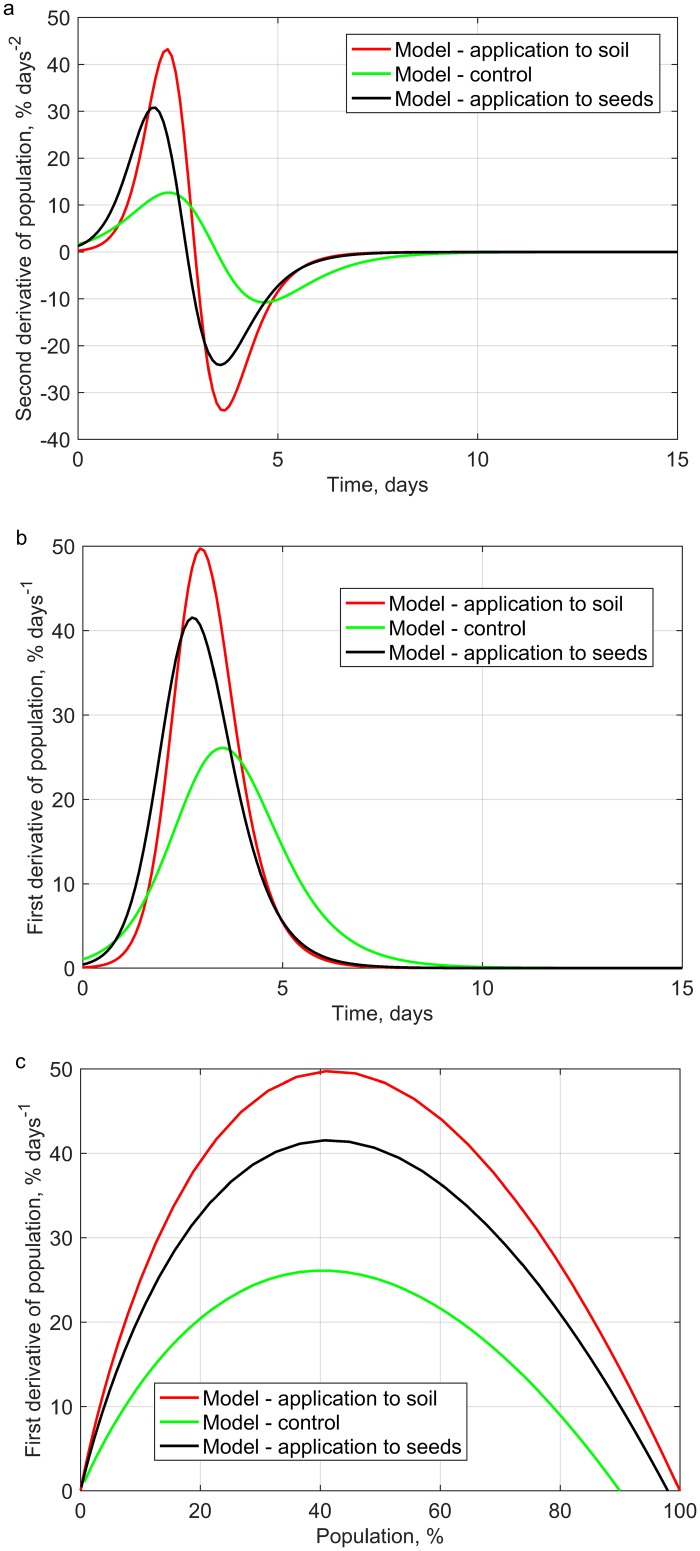
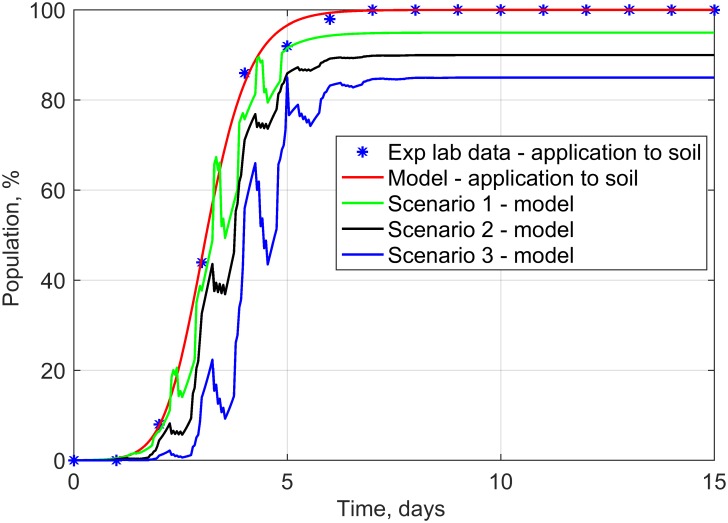
The objective of this study was to determine whether generalized logistic functions (Richards model with time shift) may be used to predict emergence of winter rapeseed (Brassica napus L.) after its seed treatment with plant extracts from Taraxacum officinale roots under controlled environment conditions. Emergence analyses were conducted for winter rape whose seeds were treated with a plant extract and for the non-treated seeds sown to the soil at the site of earlier point application of the extract. Curves were plotted for experimental data by minimizing the square sum of differences between the experimental data and the mathematical model. To evaluate model fit, the mean squared error was divided into four factors. Computing modelling efficiency coefficients were also introduced to enable complete analysis. Results of simulation research demonstrate that the determined parameters of curves (e.g. values of growth parameters, time shift or the upper limit of population) describing the number of seedlings in the function of time stayed compliant to the interpretation with regard to the biology of the analyzed processes. The proposed mathematical description based on generalized logistic functions showed extraordinary fit (r = 0.999) to the experimental data, which makes it highly useful in predictive control of rapeseed emergence. In addition, the study enabled concluding that plant extracts application to the soil allowed achieving a higher maximal emergence rate compared to the control sample. The application of the plant extracts increased the final population of rapeseed and significantly accelerated the occurrence of the maximal emergence rate.
Conflict of interest statement
The authors have declared that no competing interests exist.
Figures
References
-
- Czerwińska E, Szparaga A. The vitality and healthiness of oil seeds treated by plant extracts. Acta Sci. Pol. Technica Agraria. 2015; 14(1,2): 47–59 (in Polish with English abstract).
-
- Czerwińska E, Szparaga A.Antibacterial and antifungal activity of plant extracts. Rocznik Ochrona Srodowiska. 2015; 17(1): 209–229.
-
- Czerwińska E, Szparaga A, Piskier T, Deszcz E. Effect of the application methods of natural plant extract on emergence of beets. Journal of Research and Applications in Agricultural Engineering. 2016; 61(3): 67–71.
-
- Adaszyńska M, Swarcewicz M, Markowska-Szczupak A. Comparison of chemical composition and antimicrobial activity of lavender varieties from Poland. Progress of Phytotherapy. 2013; 2: 90–96 (in Polish with English abstract). - PubMed
-
- Bošković M, Baltić ŽM, Ivanović J, Đurić J, Lončina J, Dokmanović M, et al. Use of essential oils in order to prevent foodborneillnesses caused by pathogens in meat. Tehnologija mesa. 2015; 54(1): 14–20.
MeSH terms
Substances
LinkOut - more resources
Full Text Sources
Other Literature Sources
