


Craniofacial and oral alterations in patients with Neurofibromatosis 1
- PMID: 30092804
- PMCID: PMC6085685
- DOI: 10.1186/s13023-018-0881-8
Craniofacial and oral alterations in patients with Neurofibromatosis 1
Abstract
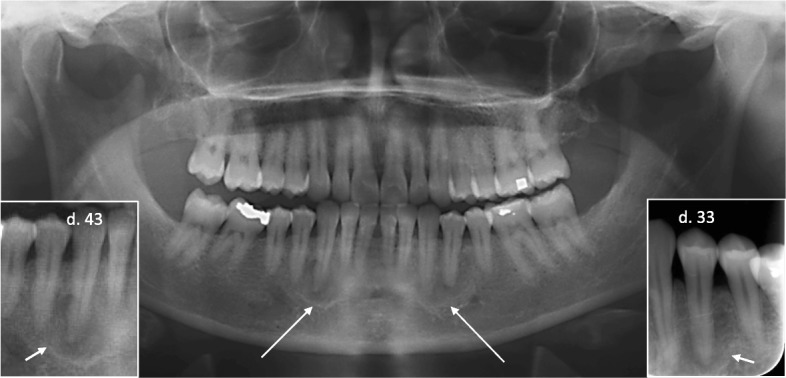
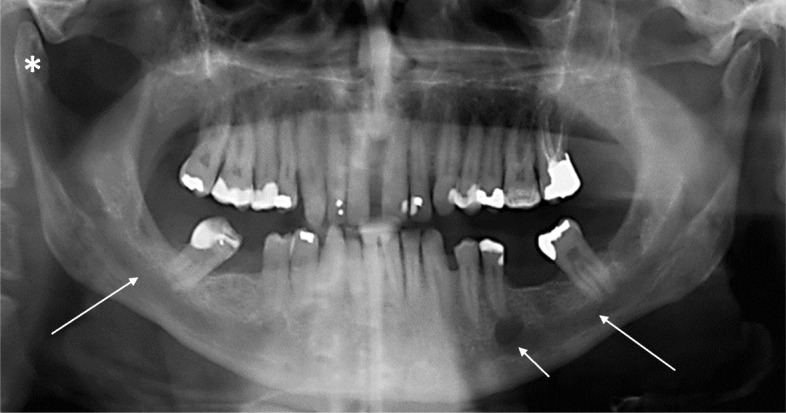
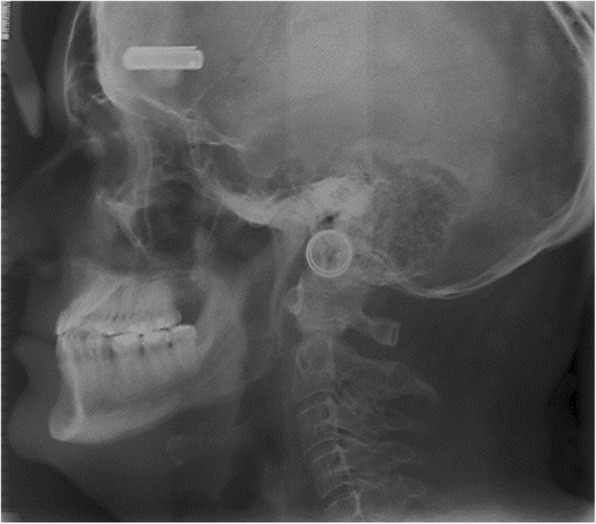
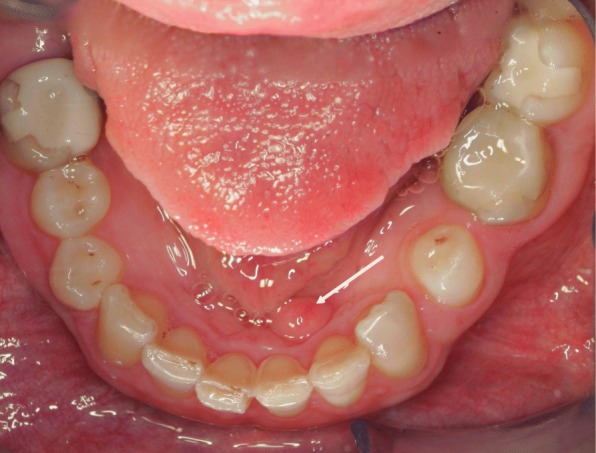
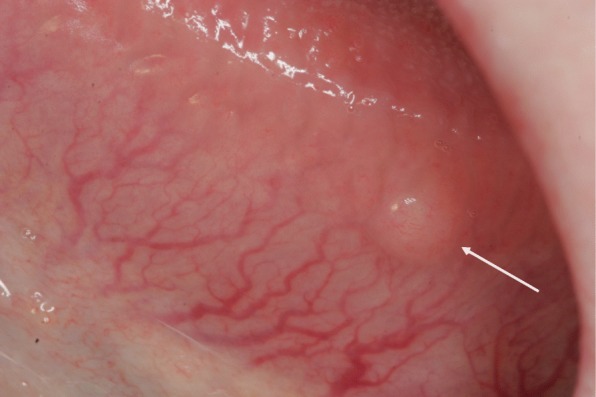
Neurofibromatosis type 1 (NF1) is one of the most common inherited syndromes. The literature on craniofacial alterations associated with NF1 has been limited and partially contradictory. This review is based on literature search and the results of the clinical study "Craniofacial and Oral Alterations and Speech in patients with Neurofibromatosis 1", carried out at the University of Turku and Turku University Hospital, Finland in 2006-2012. By the end of 2012, a total of 110 NF1 patients, 54 female and 56 male patients, were examined.A part of our results confirms pre-existing understanding, a part is contradictory to previous considerations based mainly on case reports, and some are entirely novel. Specifically, our results confirmed that enlargement the mandibular canal is the most common abnormality of the mandible in patients with NF1. It should be noted, however, that this finding does not require treatment. Caries was not a major problem. In fact, it was less frequent in NF1 patients compared to reference population. These findings abrogate some previous perceptions. Novel findings of our project include periapical cemental dysplasia in females; short jaws, a finding which usually does not affect bite; and immunohistological analysis of oral mucosal abnormalities. Pioneering study on speech showed that various deviations were very common: As many as 94% of the participants showed some alterations.To conclude, the awareness of craniofacial alterations common in NF1would help avoiding unnecessary and even harmful involvement, e.g. of periapical cemental dysplasia or enlarged mandibular canal which do not require treatment.
Keywords: Craniofacial alteration; Dental age; Neurofibromatosis 1; Oral soft tissue; Periapical Cemental dysplasia; Speech; Tooth Developoment; Wide Mandibular Canal.
Conflict of interest statement
The original was carried out at Turku University Hospital and University of Turku in accordance with the Declaration of Helsinki and with approval of the Ethics Committee of Southwest Finland Hospital District. The study had research permission of Turku University Hospital and patients gave their informed written consents.
Not applicable.
The authors declare that they have no competing interests.
Springer Nature remains neutral with regard to jurisdictional claims in published maps and institutional affiliations.
Figures
References
-
- Kallionpää RA, Uusitalo E, Leppävirta J, Pöyhönen M, Peltonen S, Peltonen J. Prevalence of neurofibromatosis type 1 in the Finnish population. Genet Med. 2017; 10.1038/gim.2017.215. - PubMed
Publication types
MeSH terms
LinkOut - more resources
Full Text Sources
Other Literature Sources
Research Materials
Miscellaneous
